English
- English
- Afrikaans
- Català
- Galego
- беларускі
- lugha ya Kiswahili
- አማርኛ
- ភាសាខ្មែរ
- ქართული
- Hausa
- Кыргыз тили
- Kurdî
- Hmong
- IsiXhosa
- Zulu
- Yoruba
- Тоҷикӣ
- O'zbek
- Igbo
- Sundanese
- Español
- Português
- русский
- Français
- 日本語
- Deutsch
- tiếng Việt
- Italiano
- ภาษาไทย
- Polski
- 한국어
- Malay
- বাংলা ভাষার
- हिन्दी
- Pilipino
- Türkçe
- العربية
- Indonesia
- تمل
- український
- Javanese
- فارسی
- தமிழ்
- नेपाली
- Burmese
- ລາວ
- Қазақша
- Euskal
- Română
- Srpski језик

Which Machine Tool Hydraulics System Delivers the Best Performance for Modern Factories?
In this comprehensive guide we’ll answer the question “Machine Tool Hydraulics – what does it mean?” and explore this critical technology in manufacturing. We cover key components, benefits, limitations, and real-world use cases. Whether you're a factory engineer or equipment buyer, this article walks you through working principles, design considerations, and FAQ. Special focus is placed on industry applications and enhancing productivity with advanced hydraulic solutions from companies like Qingdao Yushan Intelligent Technology Co., Ltd..

Table of Contents
- What Is Machine Tool Hydraulics?
- How Does Hydraulic Power Work in Machine Tools?
- What Components Make Up a Hydraulic System in Machine Tools?
- Why Use Hydraulics in Machine Tools?
- What Are the Limitations of Hydraulic Systems?
- Where Are Hydraulic Systems Used in Manufacturing?
- Frequently Asked Questions (FAQ)
- Conclusion
What Is Machine Tool Hydraulics?
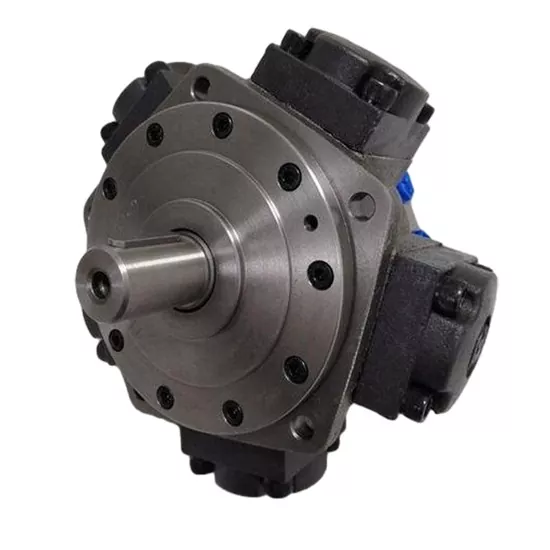
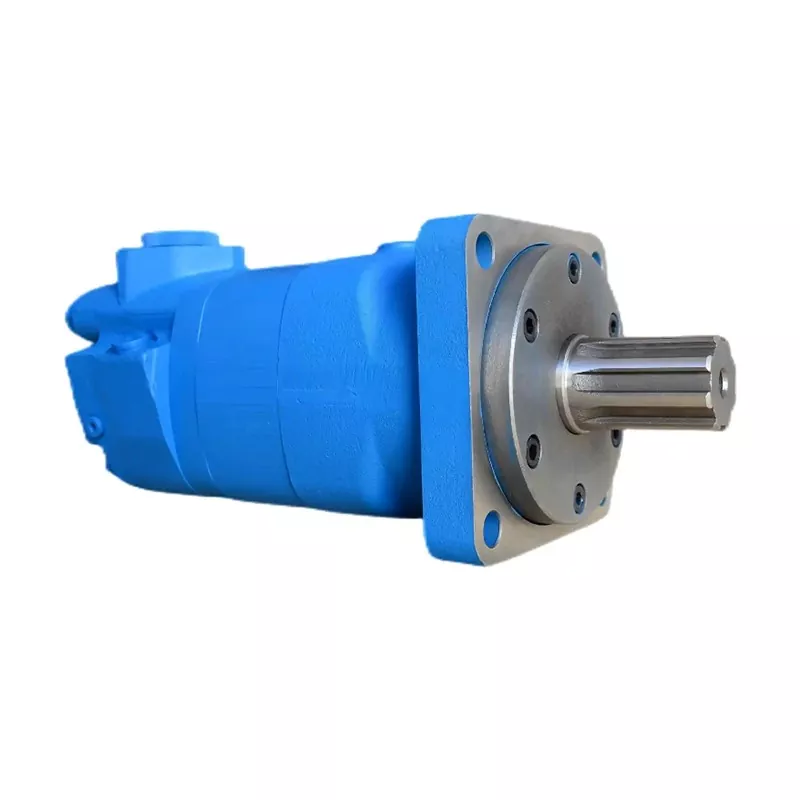
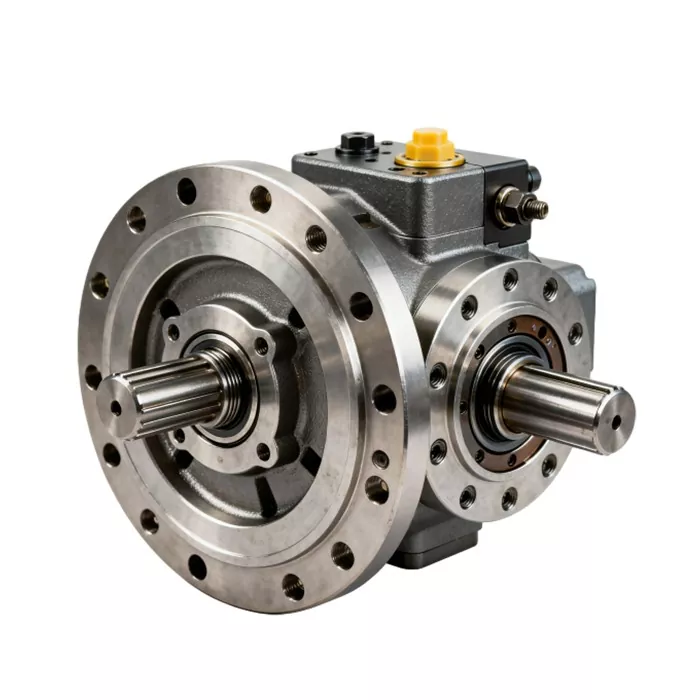
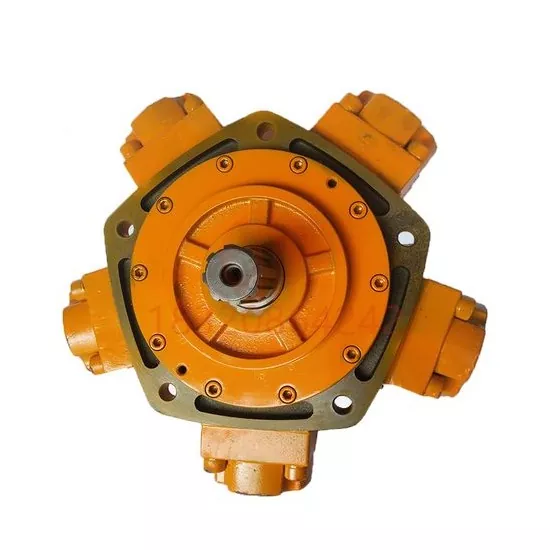
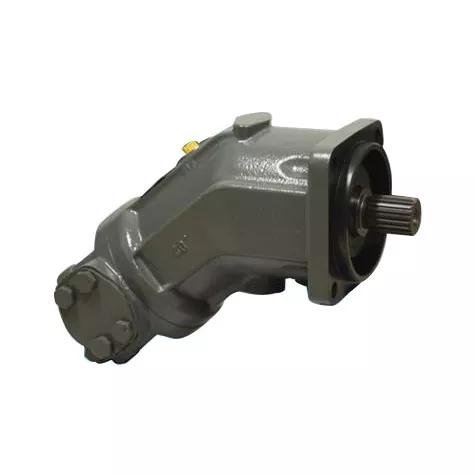
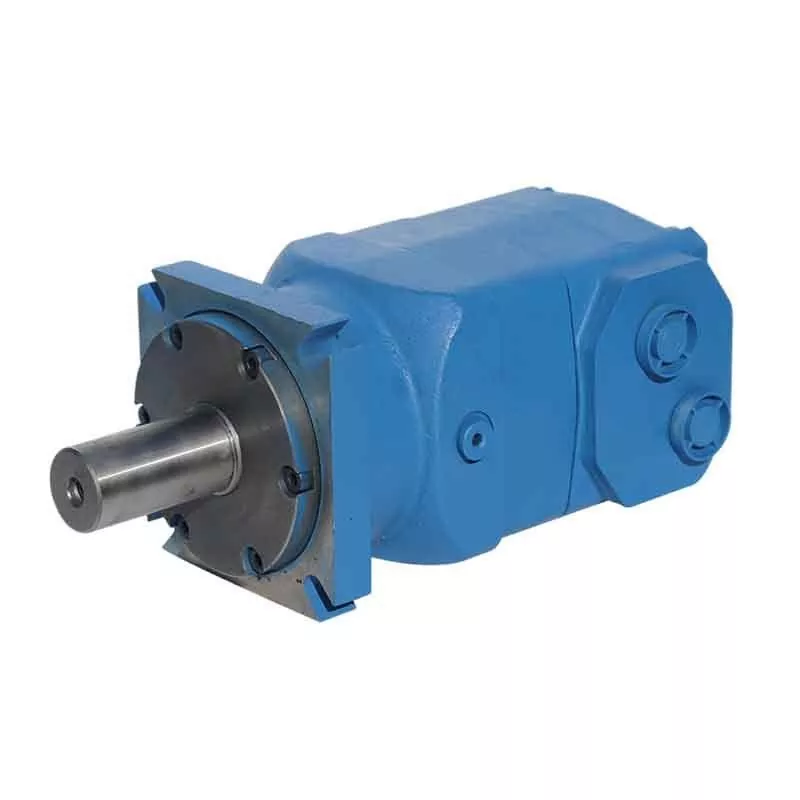
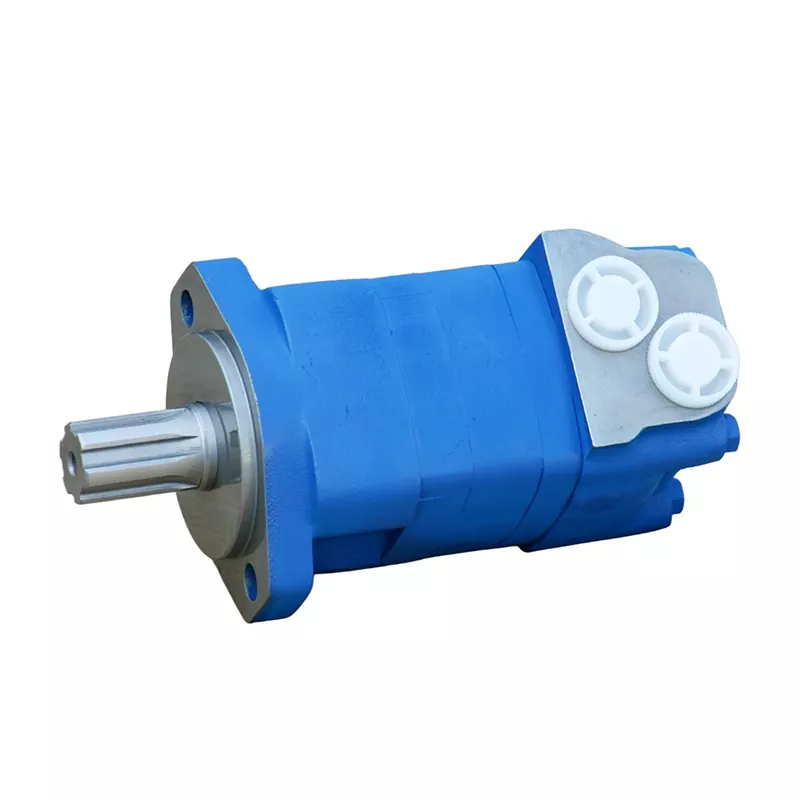
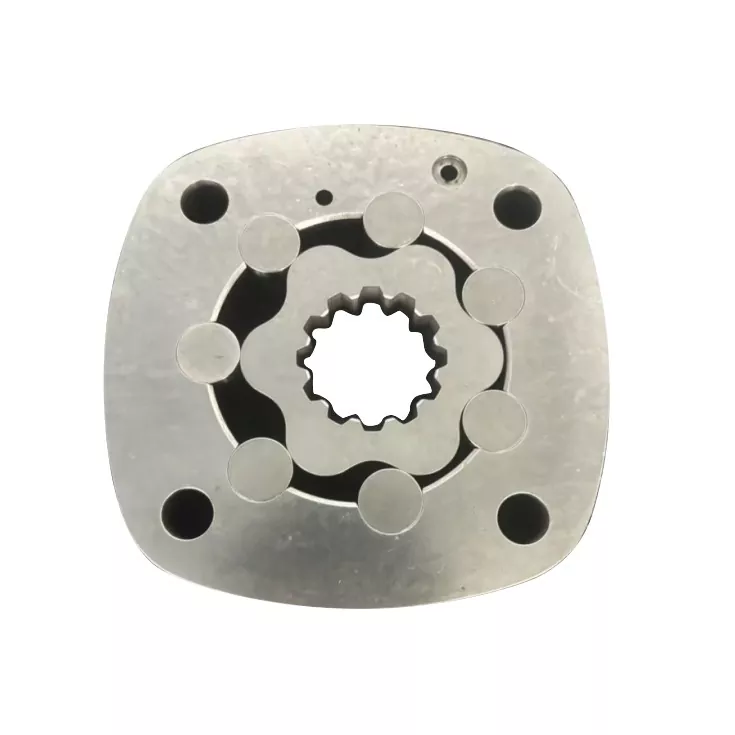
Machine Tool Hydraulics refers to the application of fluid power — typically oil — to generate, control, and transmit force and motion within industrial machines. Hydraulics enable machines to perform cutting, pressing, drilling, bending, and shaping with exceptional precision and force. In this context, hydraulics is not just a single part but an integrated system consisting of pumps, valves, actuators, and control circuits that together enable complex motion and force requirements.
- Keyword Expansion: What is hydraulic actuation?
- Keyword Expansion: What is hydraulic fluid power in machine tools?
- Keyword Expansion: Why are hydraulic controls essential in CNC equipment?
How Does Hydraulic Power Work in Machine Tools?
At its core, hydraulic systems convert mechanical power into fluid power, which then becomes controlled motion and force. Here’s a simplified explanation:
- A hydraulic pump pressurizes fluid stored in a reservoir.
- Pressure builds as fluid passes through valves that regulate flow and direction.
- The pressurized fluid reaches actuators (cylinders or motors), creating linear or rotary motion.
- Energy is ultimately dissipated safely through pressure relief valves and returned to the reservoir.
This closed-loop interaction between pressure and controlled fluid flow is what enables consistent, powerful, and precise machine movement.
What Components Make Up a Hydraulic System in Machine Tools?
| Component | Function |
|---|---|
| Hydraulic Pump | Generates the fluid pressure that drives the system. |
| Reservoir | Stores hydraulic fluid and cools/conditions it between cycles. |
| Valves (Directional/Pressure) | Control fluid flow and safety limits of pressure. |
| Actuators | Convert pressurized fluid into mechanical movement. |
| Filters | Remove contaminants to protect sensitive components. |
Each component plays a vital role in preserving system integrity and ensuring reliable tool operation in industrial environments.
Why Use Hydraulics in Machine Tools?
Hydraulics offers distinct advantages in machine tool applications:
- High Force Density: Hydraulics generates greater force in a smaller footprint, essential for tasks like bending, punching, and forming.
- Precise Control: Variable flow controls provide smooth acceleration and deceleration with repeatable outcomes.
- Durability: Hydraulic systems withstand heavy operational loads over extended periods with minimal wear.
- Flexibility: Hydraulic systems can be tailored to a huge range of machines, from lathes to presses.
What Are the Limitations of Hydraulic Systems?
No technology is without trade-offs. Some limitations include:
- Maintenance Requirements: Hydraulic systems require periodic fluid changes, filter replacement, and seal inspection.
- Heat and Efficiency Issues: Energy losses as heat can reduce efficiency, requiring cooling systems.
- Fluid Leaks: Oil leaks can affect performance and create environmental challenges if not managed.
- Complexity: More components can increase system complexity compared with purely electric alternatives.
Where Are Hydraulic Systems Used in Manufacturing?
Hydraulic systems are found in many industrial machine categories:
- CNC Machining Centers
- Hydraulic Presses
- Injection Molding Machines
- Forging and Stamping Equipment
- Industrial Robots and Material Handling
Leading manufacturers such as Qingdao Yushan Intelligent Technology Co., Ltd. provide tailored hydraulic solutions for these application areas, enabling high throughput and precision across production lines.
Frequently Asked Questions (FAQ)
Q: What is machine tool hydraulics used for?
A: Machine tool hydraulics is used to generate controlled force and motion that enables heavy-duty operations such as cutting, pressing, bending, and shaping workpieces. Hydraulics provides consistent, high-force actuation useful in industrial environments where accuracy and repeatability are required.
Q: Why do modern CNC machines still use hydraulics?
A: While electric actuation has grown, hydraulics remains invaluable where high force, smooth motion control, and reliability are needed. Hydraulic systems complement electrical controls, especially in presses and heavy-duty spindle clamps.
Q: What are the key benefits of hydraulic systems in machine tools?
A: The key benefits include high force output per unit size, precision control, robustness under load, flexibility for multiple operations, and adaptability to variable speed and pressure demands.
Q: What are common maintenance challenges with hydraulic systems?
A: Common challenges include fluid contamination, heat buildup, seal wear, and pressure loss over time. Regular fluid checks, filter changes, and leak inspections help maintain performance.
Q: Can hydraulic machine tools be automated?
A: Yes. Hydraulics can integrate with PLC (Programmable Logic Controller) based automation systems to deliver synchronized movements, cycle control, and closed-loop feedback for sophisticated manufacturing sequences.
Q: Is hydraulic machine tool technology environmentally friendly?
A: Hydraulics can be environmentally responsible when using biodegradable fluids, leak containment strategies, and regular maintenance to prevent spills. Additionally, efficient pump and valve designs reduce energy waste.
Conclusion
Machine Tool Hydraulics continues to be a cornerstone of industrial automation and manufacturing. With superior force density, controllability, and adaptability, hydraulic systems support the most demanding machining and forming processes. Companies like Qingdao Yushan Intelligent Technology Co., Ltd. specialize in delivering advanced hydraulic solutions that improve efficiency, reduce downtime, and empower modern factories.
If you are looking to upgrade your machine tool hydraulics system or need custom hydraulic components for specialized machinery, contact us today — our engineering team is ready to help you achieve peak performance, reduce total cost of ownership, and build a smarter manufacturing future.
Related News
- How Are High-Speed Hydraulic Motors Improving Industrial Equipment Performance?
- How Are Gear Hydraulic Motors Advancing Modern Machinery?
- Oscillating Hydraulic Motors: How Do They Work and Where Are They Used?
- How to Select, Install, and Maintain Rotary Orbital Hydraulic Motors for Maximum Service Life?
- Hydraulic Motor Won't Cooperate? These On-Site Fixes Beat Calling the Dealer
- Small Orbital Hydraulic Motors: How to Choose the Right Compact Power Solution for Your Equipment
Leave me a message