English
- English
- Afrikaans
- Català
- Galego
- беларускі
- lugha ya Kiswahili
- አማርኛ
- ភាសាខ្មែរ
- ქართული
- Hausa
- Кыргыз тили
- Kurdî
- Hmong
- IsiXhosa
- Zulu
- Yoruba
- Тоҷикӣ
- O'zbek
- Igbo
- Sundanese
- Español
- Português
- русский
- Français
- 日本語
- Deutsch
- tiếng Việt
- Italiano
- ภาษาไทย
- Polski
- 한국어
- Malay
- বাংলা ভাষার
- हिन्दी
- Pilipino
- Türkçe
- العربية
- Indonesia
- تمل
- український
- Javanese
- فارسی
- தமிழ்
- नेपाली
- Burmese
- ລາວ
- Қазақша
- Euskal
- Română
- Srpski језик

Hydraulic Motor Won't Cooperate? These On-Site Fixes Beat Calling the Dealer
If you work around heavy equipment long enough, you will eventually run into a Low-Speed High-Torque (LSHT) hydraulic motor that decides to act up. These motors are the muscle behind your auger, winch, or conveyor belt. They are built tough, but they are not invincible. And when they fail, they usually do it in the middle of a job, not during a routine service check.
The good news is that most of the problems we see on-site are not catastrophic failures. They are installation errors, maintenance oversights, or simple misdiagnoses. Here is what actually goes wrong in the real world and how to get your machine running again without pulling out the cheque book for a full replacement.
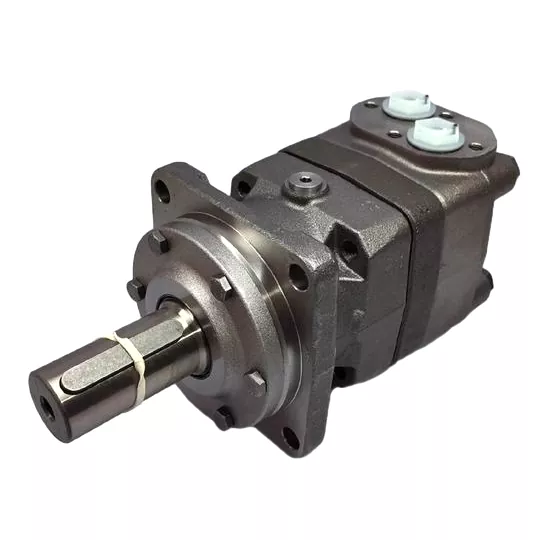
The Shaft Seal That Keeps Leaking: It is Not the Seal's Fault
This is the most common call we get. A service tech swapped out a leaking shaft seal on a radial piston motor, fired up the machine, and within an hour, oil is weeping out again. The natural instinct is to blame the seal quality. In reality, the seal is just a victim.
The actual culprit is misalignment. When the motor output shaft is not perfectly coaxial with the driven load, you create a bending moment. That radial load crushes the bearing on one side, wobbles the shaft, and the seal lip loses its circular contact. No amount of premium seal material will survive that.
How you fix it: Stop buying seals and start checking your mounting structure. Use a dial indicator to check the alignment between the motor flange and the load's input shaft. If you are using a chain or belt drive, verify that the tension is not exceeding the motor's radial load limit. That spec is usually stamped on the motor data plate, and if you are guessing, you are probably wrong.
Another silent killer: Check your case drain line. Many mechanics tee it into the main return line. That is a mistake. Return line backpressure will push oil right past the seal. Run a dedicated case drain hose straight back to the tank, below the oil level if possible.
Understanding Your Motor Type: A Quick Reference
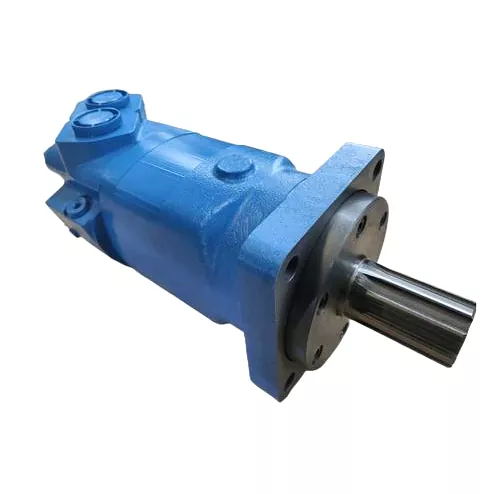
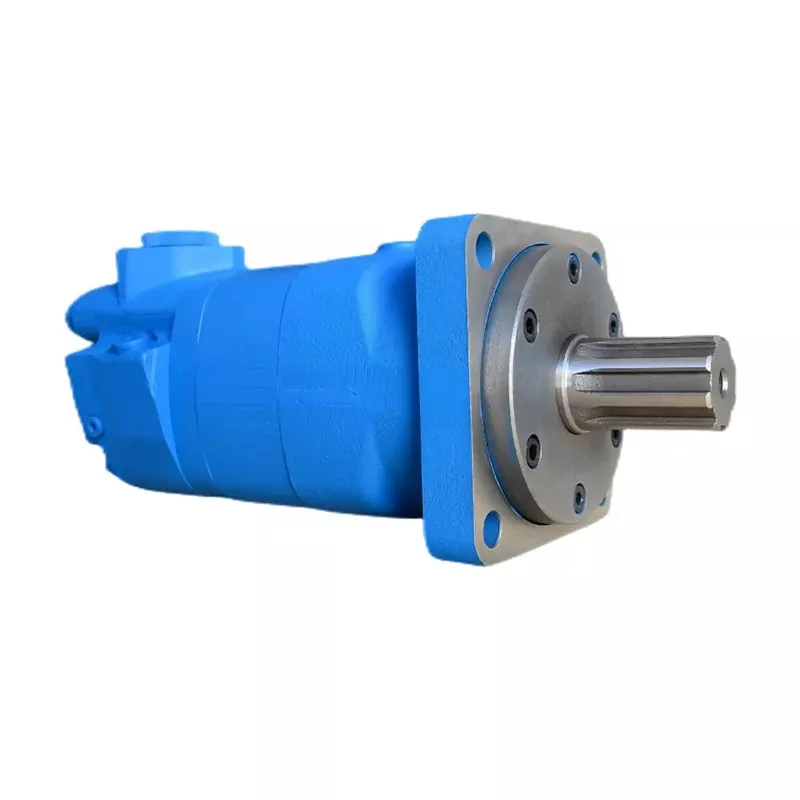
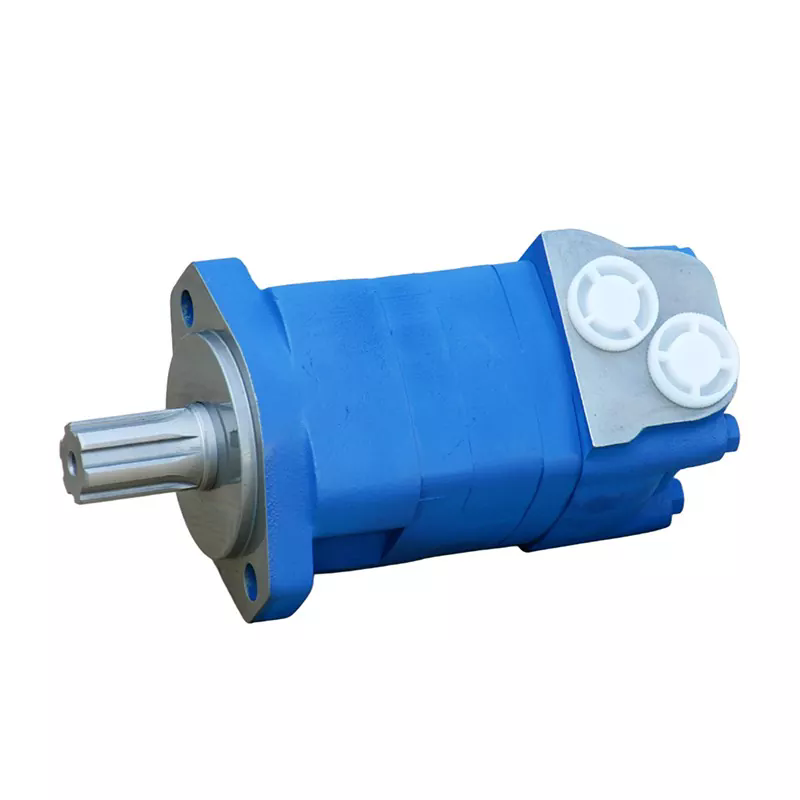
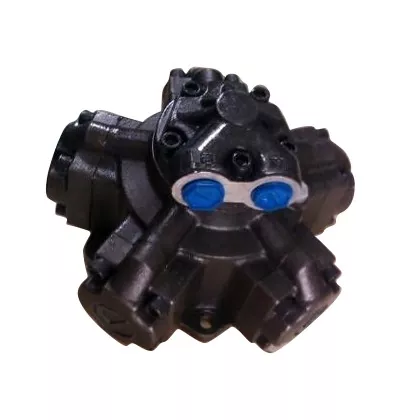
Before diving into diagnostics, it helps to know what kind of LSHT motor you are dealing with. Each type has its own strengths, weaknesses, and common failure modes. The table below gives you a clear snapshot:
| Motor Type | Typical Speed Range (RPM) | Torque Characteristics | Size & Weight | Cost Level | Common Applications |
|---|---|---|---|---|---|
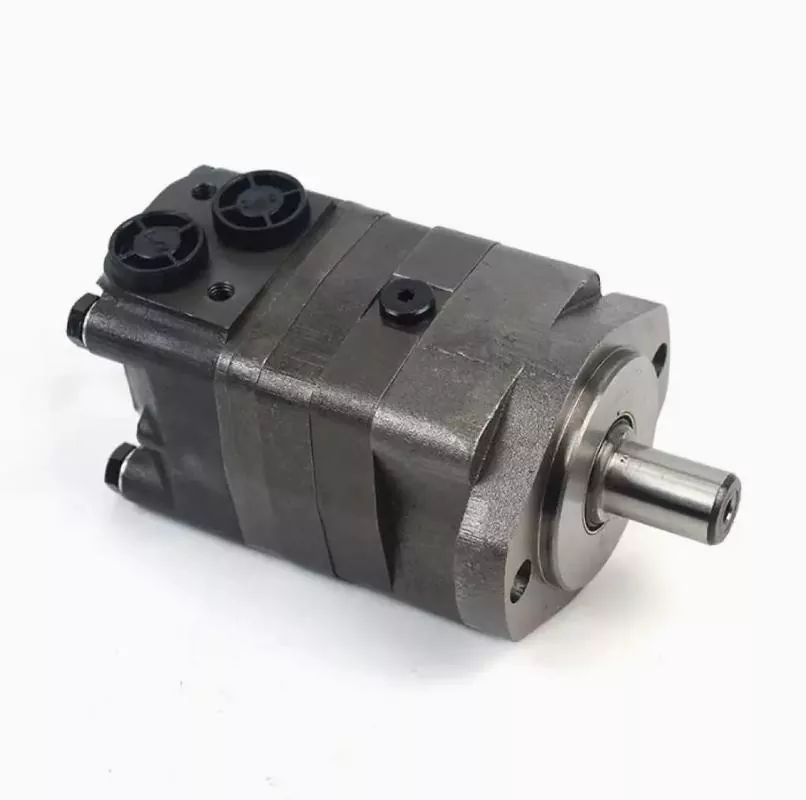
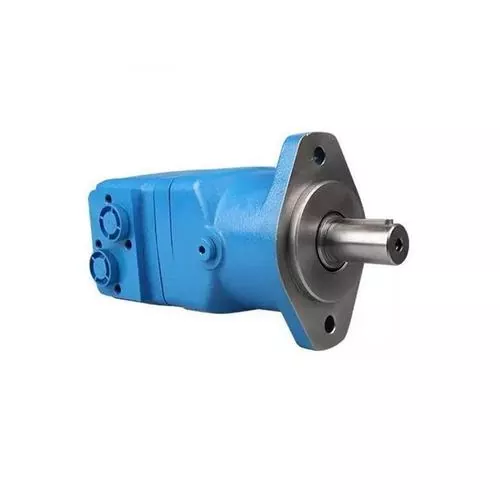
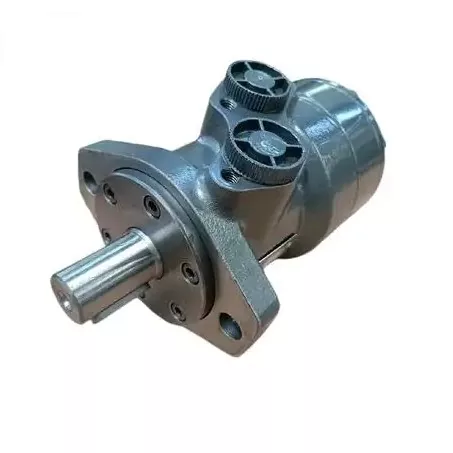
| Orbital (Gerotor) | 1 – 1,000 | Very high torque at low speed | Compact, lightweight | Low to medium | Conveyors, agricultural machinery, skid steers |
| Axial Piston | 50 – 5,000 | High torque with strong high-speed performance | Medium to heavy | High | Industrial drives, mobile propulsion |
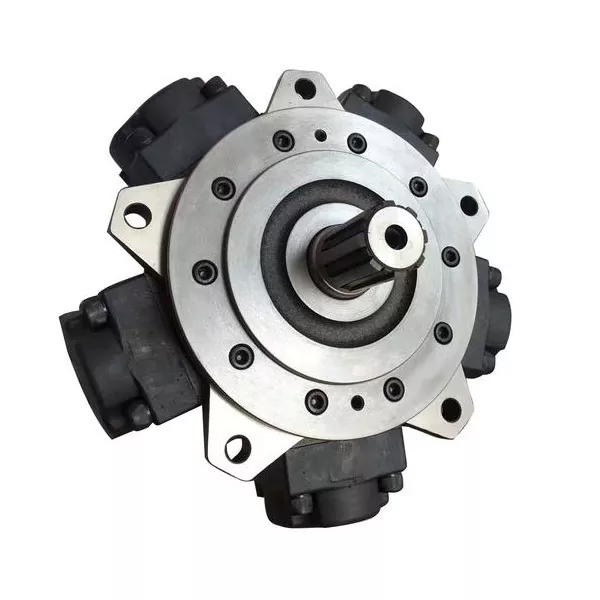
| Radial Piston | 1 – 2,000 | Highest torque, extremely smooth output | Large, very heavy | Very high | Heavy-duty winches, injection molding machines, drills |
Knowing which motor you have helps you narrow down likely failure points. For example, orbital motors are more prone to internal tooth wear, while radial piston motors are sensitive to oil contamination and bearing overload.
Why Does My Motor Crawl Instead of Rotate Smoothly?
You feather the control lever for a smooth rotation, but the output shaft jerks, stops, and stutters. This "crawling" is a major frustration, especially when you are trying to position heavy loads precisely.
Most technicians immediately blame the motor itself. But before you pull it off, consider the hydraulic supply. Air trapped in the system is a primary cause of erratic motion. When air compresses and expands in the motor cavities, you get a spongy, jerky response.
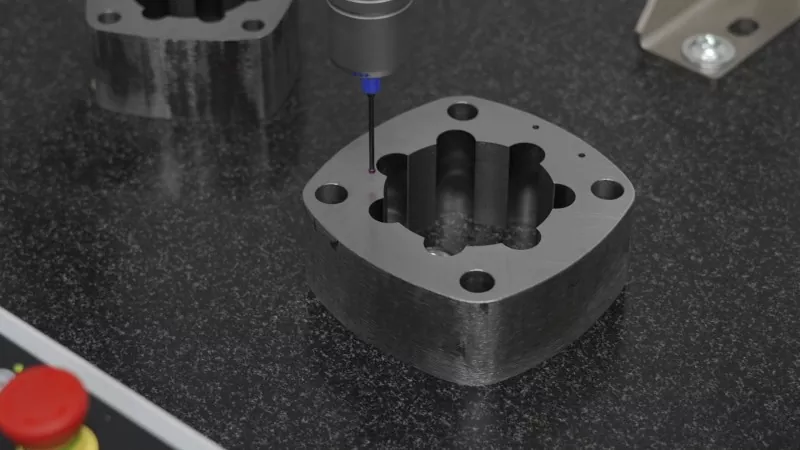
Quick action plan: Crack the highest point fitting on the motor housing and bleed the air while the motor runs at low speed. If the jerking stops, you found the problem. If not, move your attention to the relief valve. A sticky relief valve that cracks open prematurely will dump pressure and cause torque loss, giving you that intermittent stutter.
If both the air and the relief valve check out, then you can look at the motor internals. For orbital motors, worn internal teeth in the gerotor set can cause uneven displacement. For piston motors, check the distribution plate for scoring.
The "It Was Working Fine Yesterday" Syndrome: Power Loss Under Load
This is the classic symptom of internal leakage. The motor turns freely with no load, but the moment you put a heavy load on it, it bogs down or stops completely. You check the pump pressure, and it reads fine at the gauge. So where is the oil going?
It is going across the internal clearances. As the motor wears, the gap between the piston and cylinder bore or the valve plate and cylinder block opens up. High-pressure oil slips across these gaps straight to the low-pressure side and out the case drain.
The practical check: Warm up the system, apply a moderate load, and feel the case drain hose. If it is abnormally hot or you can feel a strong flow of oil when the motor is stalled, you have confirmed excessive internal bypass. The solution is not an additive or a thicker oil. It is a teardown and measurement of the critical clearances. Depending on the motor design, you might get away with replacing the valve plate and pistons, but once the housing bore is worn, the motor is effectively scrap.
The Silent Killer: Contamination
We cannot stress this enough. A hydraulic motor is a precision instrument wrapped in a cast-iron shell. The clearances between moving parts are measured in microns. When you get dirt in there, it acts like lapping compound and wears those clearances open.
What we see on-site:
-
Using old oil from a dirty drum.
-
Not flushing the hoses after a component failure.
-
Leaving ports open while waiting for installation.
Preventative action: Ensure your return line filter is rated at minimum 25 microns. Change the filter element after the first 50 hours of operation on a new motor. If you have had a pump failure upstream, do not just swap the motor. Flush the entire circuit and change the oil. The debris from a failed pump will travel straight to your motor and ruin it quickly.
A Final Word on Installation
The most common mistake we see is the assumption that a hydraulic motor is a drop-in replacement for a gearbox. Gearboxes handle shock loads through the housing. Hydraulic motors handle them through the internal bearings and shaft. If you are mounting a motor to an articulated arm or a swinging frame, use a flexible coupling or a trunnion mount. Do not use the motor housing as a structural member.
If you take one piece of advice from this, let it be this: read the installation drawing. That small section on permissible radial and axial loads is the most important paragraph in the manual. Ignore it, and you will be wrestling with leaks and failures for the life of the machine.
Related News
- How Are High-Speed Hydraulic Motors Improving Industrial Equipment Performance?
- How Are Gear Hydraulic Motors Advancing Modern Machinery?
- Oscillating Hydraulic Motors: How Do They Work and Where Are They Used?
- How to Select, Install, and Maintain Rotary Orbital Hydraulic Motors for Maximum Service Life?
- Small Orbital Hydraulic Motors: How to Choose the Right Compact Power Solution for Your Equipment
- How Do Gear Hydraulic Motors Work?
Leave me a message