English
- English
- Afrikaans
- Català
- Galego
- беларускі
- lugha ya Kiswahili
- አማርኛ
- ភាសាខ្មែរ
- ქართული
- Hausa
- Кыргыз тили
- Kurdî
- Hmong
- IsiXhosa
- Zulu
- Yoruba
- Тоҷикӣ
- O'zbek
- Igbo
- Sundanese
- Español
- Português
- русский
- Français
- 日本語
- Deutsch
- tiếng Việt
- Italiano
- ภาษาไทย
- Polski
- 한국어
- Malay
- বাংলা ভাষার
- हिन्दी
- Pilipino
- Türkçe
- العربية
- Indonesia
- تمل
- український
- Javanese
- فارسی
- தமிழ்
- नेपाली
- Burmese
- ລາວ
- Қазақша
- Euskal
- Română
- Srpski језик

What is Hydraulic Drive Machinery and How Does It Work?
Hydraulic Drive Machinery is a powerful and versatile type of mechanical system that plays a critical role in industrial automation, construction, manufacturing, and transportation. In this comprehensive guide, we explain what it is, how it works, why it matters, and where it’s used in today’s modern machines.
This article explores the fundamental concepts, principles, components, and applications of hydraulic drive machinery. You will learn how hydraulic systems convert fluid power into controlled mechanical motion and why they outperform other systems in heavy-duty environments. We also provide a complete FAQ section and helpful comparisons to assist engineers, students, and decision‑makers in understanding this critical technology.

Table of Contents
- What is Hydraulic Drive Machinery?
- How Does Hydraulic Drive Machinery Work?
- Why Use Hydraulic Drive Systems?
- Where is Hydraulic Drive Machinery Used?
- What Are the Key Benefits?
- What Are Major Components?
- Frequently Asked Questions
- References
What is Hydraulic Drive Machinery?
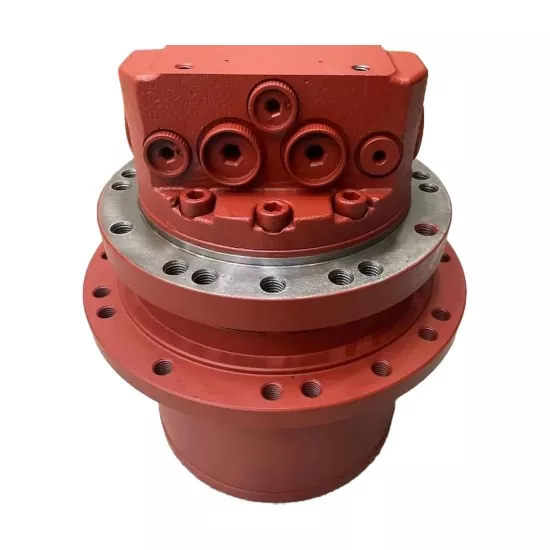
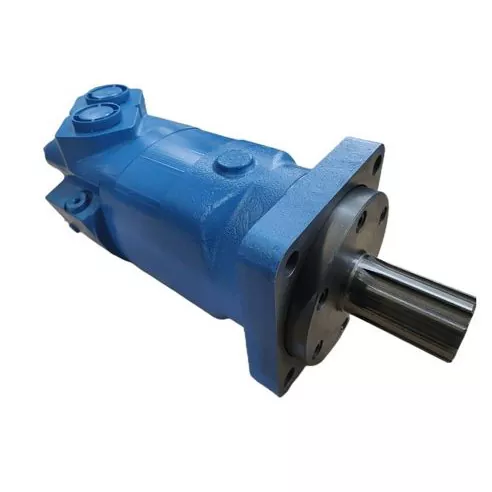
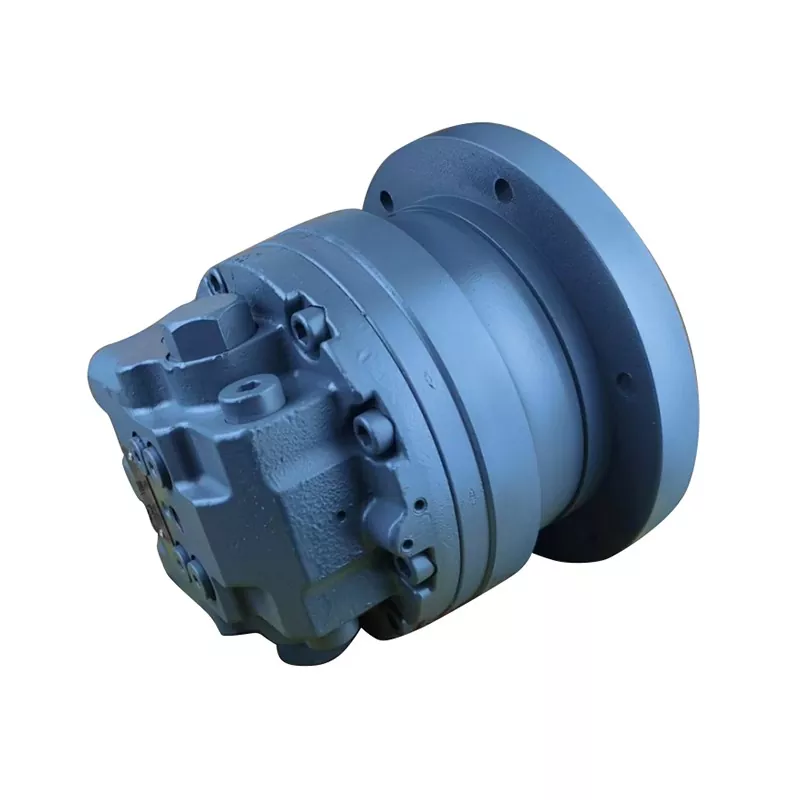
Hydraulic drive machinery refers to systems that utilize incompressible fluid—typically oil—to transmit power through pressurized lines to mechanical actuators. Instead of relying on electrical or purely mechanical power transmission, hydraulic drives harness fluid force to accomplish tasks such as lifting, pushing, rotating, and controlling motion within heavy machinery.
By adjusting fluid pressure, engineers can fine-tune torque and speed, making these systems remarkably versatile and precise in demanding operational conditions.
How Does Hydraulic Drive Machinery Work?
The operation of hydraulic drive machinery centers on the principle of fluid power. High‑pressure fluid flows through a network of valves, pumps, cylinders, and motors, converting stored energy into mechanical motion as described below:
- Energy Generation: A hydraulic pump converts mechanical input (often from an electric motor or engine) into pressurized fluid.
- Control and Direction: Valves regulate the flow and direction of pressurized fluid.
- Actuation: Hydraulic cylinders or motors convert fluid power into linear or rotational movement.
- Feedback and Regulation: Sensors and controllers monitor system performance and adjust operation for precision.
Why Use Hydraulic Drive Systems?
Hydraulic drive systems are preferred in numerous applications due to their:
- High power density, enabling compact designs with immense force output.
- Accurate speed and force control, essential for precision tasks.
- Durability and reliability in harsh environments (e.g., construction, mining).
These attributes make hydraulic drives especially valuable where electrical or pneumatic systems fall short.
Where is Hydraulic Drive Machinery Used?
Hydraulic drive systems appear in a wide range of industries:
| Industry | Common Machinery |
|---|---|
| Construction | Excavators, bulldozers, hydraulic cranes |
| Manufacturing | Press machines, injection molding machines |
| Marine | Steering systems, deck machinery |
| Aerospace | Landing gear, flight control actuators |
| Energy | Hydraulic turbines, oil & gas drill rigs |
What Are the Key Benefits of Hydraulic Drive Machinery?
Hydraulic systems provide:
- Superior force multiplication compared to electrical systems of similar size.
- Responsive motion control, especially under variable loads.
- Overload protection via pressure relief valves.
- Modular design allowing systems to be scaled or reconfigured.
What Are Major Components of Hydraulic Drive Machinery?
The essential components include:
- Pumps: Generate flow and pressure.
- Valves: Control direction, flow rate, and pressure.
- Actuators: Convert fluid power into mechanical motion.
- Reservoirs and Filters: Store fluid and remove contaminants.
Frequently Asked Questions
Q: What makes hydraulic drive machinery different from electric drives?
A: Hydraulic drive machinery transmits power through pressurized fluid, enabling higher force output and smoother speed control under heavy load conditions. Electric drives are generally better for light‑to‑medium loads with high precision but lack the force density offered by hydraulics, making hydraulic systems more suitable for heavy machinery like excavators and presses.
Q: How efficient are hydraulic drive systems?
A: Hydraulic systems achieve high torque and power output but can suffer efficiency losses due to fluid friction and heat. Modern systems incorporate variable displacement pumps and smart controllers to improve overall efficiency and reduce wasted energy.
Q: What maintenance does hydraulic drive machinery require?
A: Regular maintenance includes fluid replacement, filter changes, pressure checks, and inspection of hoses and seals. Clean hydraulic fluid prevents wear and prolongs component life.
Q: Can hydraulic systems be integrated with digital controls?
A: Yes, many modern hydraulic systems incorporate electronic sensors and controllers (electro‑hydraulic integration), allowing real‑time monitoring and adaptive performance optimization.
Q: What safety features are built into hydraulic systems?
A: Safety features include pressure relief valves, emergency stop circuits, overload protection, and redundant sensors to prevent accidental overload or uncontrolled motion.
References
- Hydraulic Drive – Wikipedia
- Hydraulics & Pneumatics – Industry Resource
Related News
- How Are High-Speed Hydraulic Motors Improving Industrial Equipment Performance?
- How Are Gear Hydraulic Motors Advancing Modern Machinery?
- Oscillating Hydraulic Motors: How Do They Work and Where Are They Used?
- How to Select, Install, and Maintain Rotary Orbital Hydraulic Motors for Maximum Service Life?
- Hydraulic Motor Won't Cooperate? These On-Site Fixes Beat Calling the Dealer
- Small Orbital Hydraulic Motors: How to Choose the Right Compact Power Solution for Your Equipment
Leave me a message