English
- English
- Afrikaans
- Català
- Galego
- беларускі
- lugha ya Kiswahili
- አማርኛ
- ភាសាខ្មែរ
- ქართული
- Hausa
- Кыргыз тили
- Kurdî
- Hmong
- IsiXhosa
- Zulu
- Yoruba
- Тоҷикӣ
- O'zbek
- Igbo
- Sundanese
- Español
- Português
- русский
- Français
- 日本語
- Deutsch
- tiếng Việt
- Italiano
- ภาษาไทย
- Polski
- 한국어
- Malay
- বাংলা ভাষার
- हिन्दी
- Pilipino
- Türkçe
- العربية
- Indonesia
- تمل
- український
- Javanese
- فارسی
- தமிழ்
- नेपाली
- Burmese
- ລາວ
- Қазақша
- Euskal
- Română
- Srpski језик

How Are High-Speed Hydraulic Motors Improving Industrial Equipment Performance?
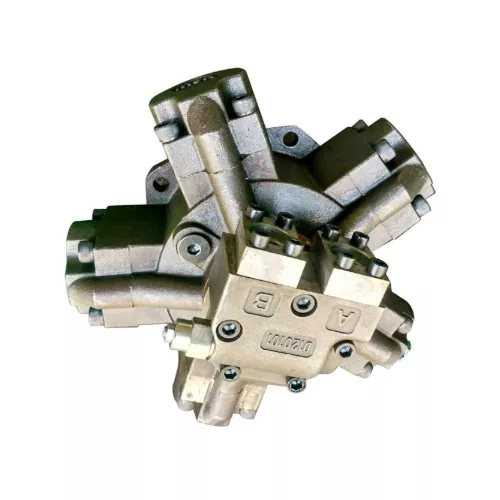
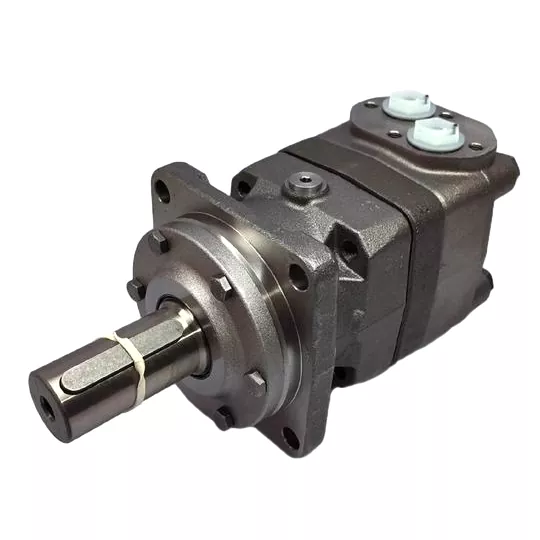
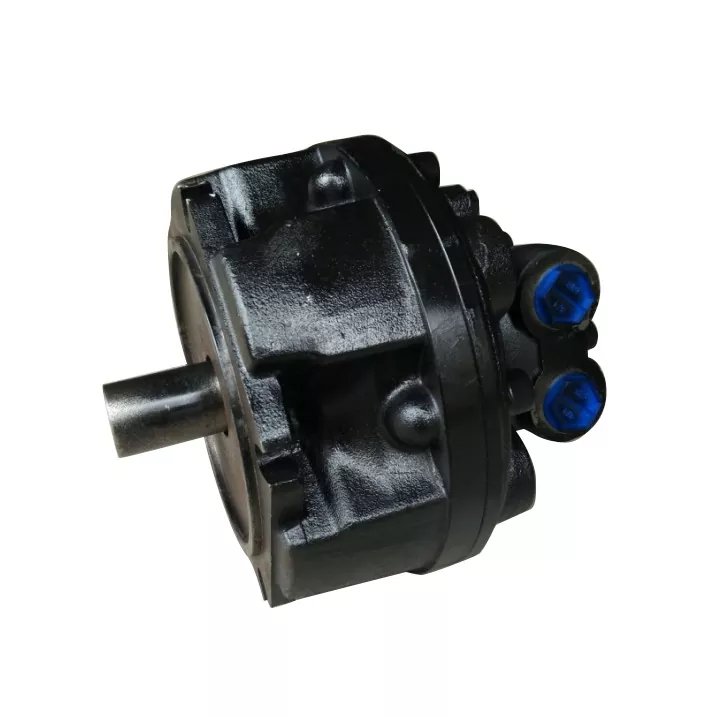
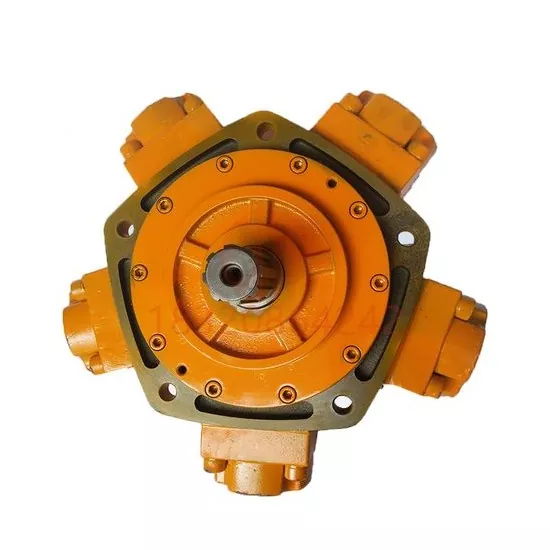
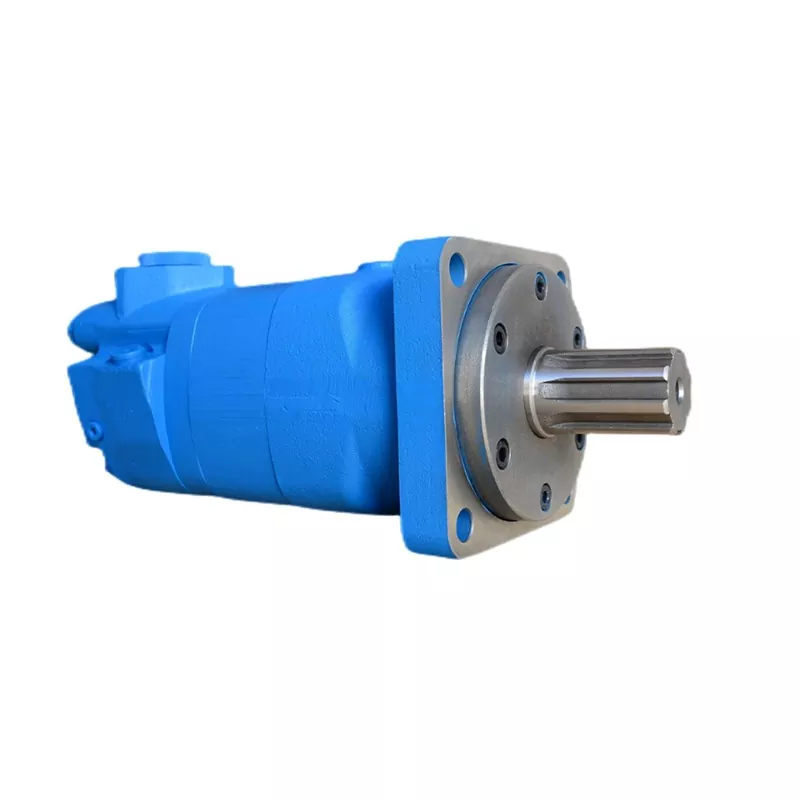
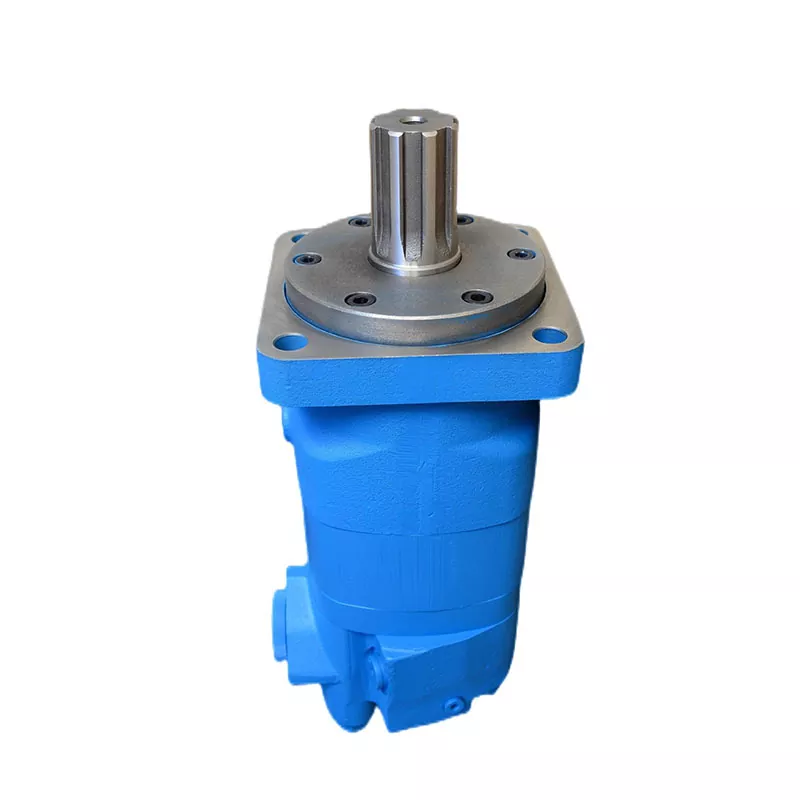
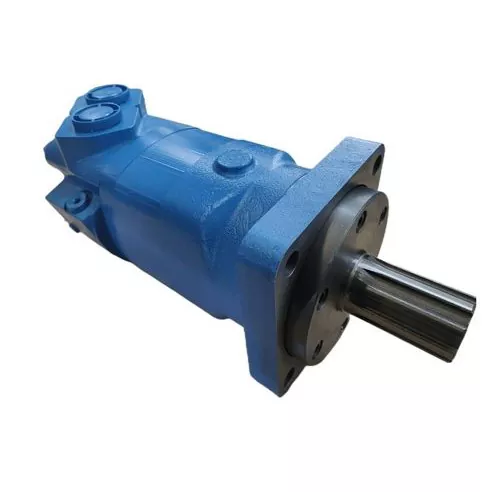
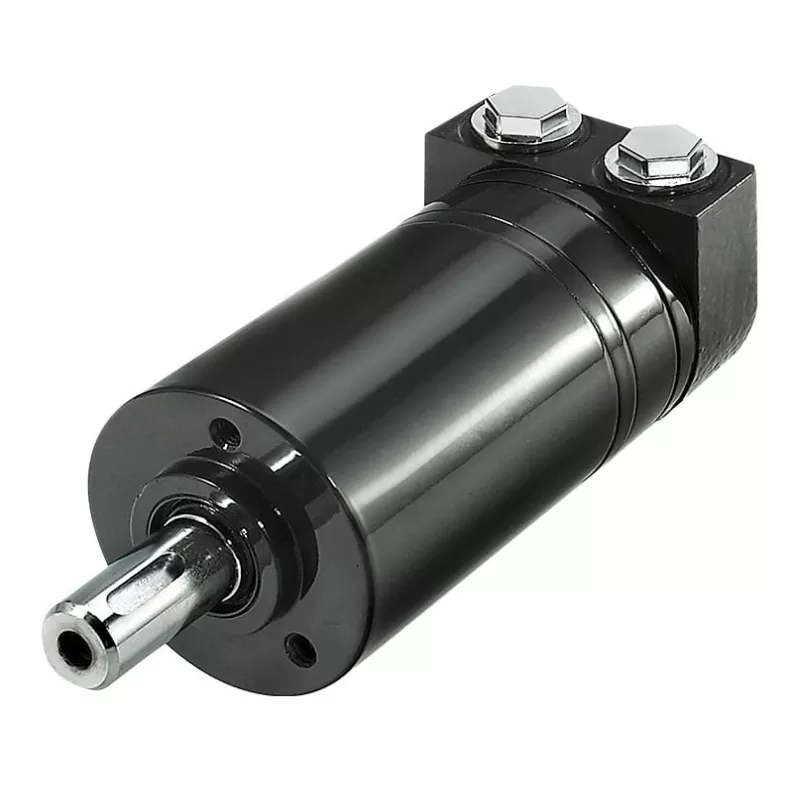
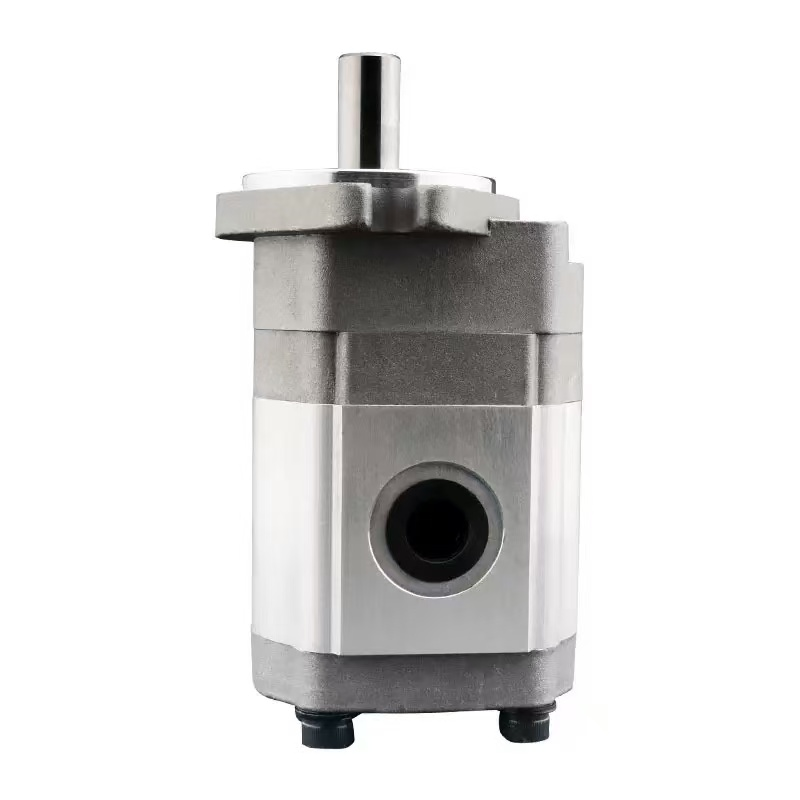
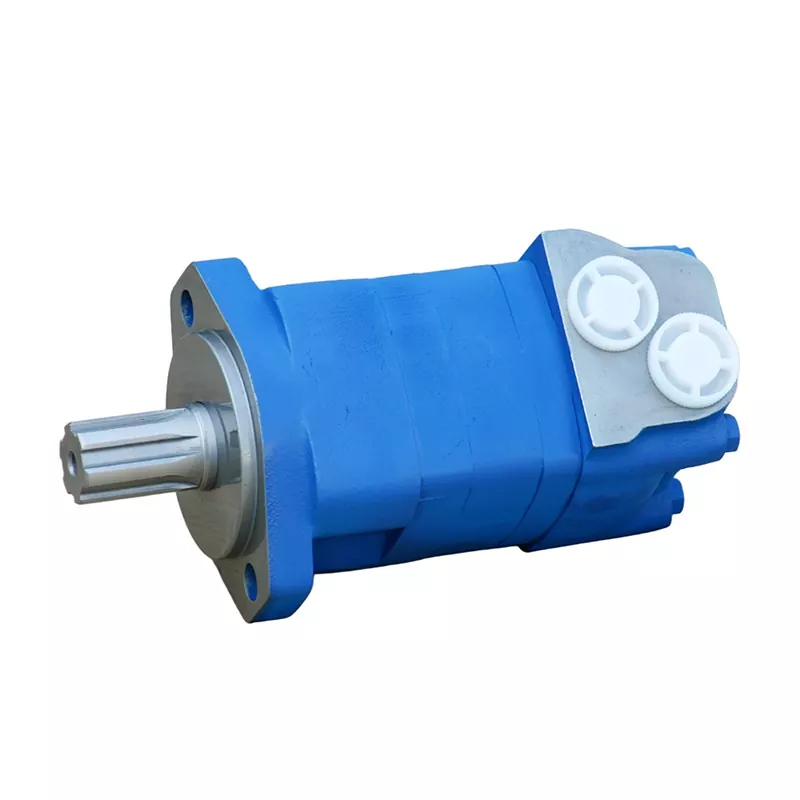
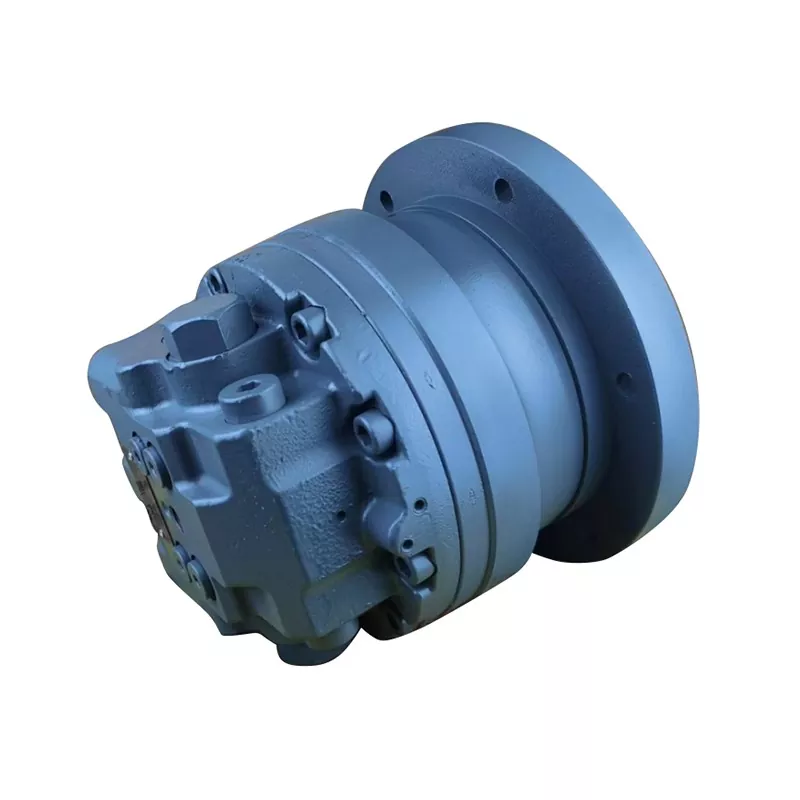
As industrial machinery continues to develop toward higher efficiency, faster response, and more compact structures, hydraulic power systems are facing increasingly complex application requirements. High-Speed Hydraulic Motors have become an important component in many modern hydraulic applications because they provide reliable rotary power transmission while supporting equipment that requires rapid movement, precise control, and stable operation.
The development of hydraulic technology is closely connected with industries such as construction machinery, agricultural equipment, tunnel engineering, marine systems, and energy equipment. These sectors require hydraulic components that can maintain consistent performance under changing loads, harsh environments, and continuous operating conditions. Manufacturers are therefore focusing on improving motor structures, production processes, and application adaptability to meet evolving industrial demands.
The Growing Demand for Advanced Hydraulic Power Systems
Industrial equipment is becoming more intelligent and specialized. Traditional hydraulic systems are now being integrated with electronic control technologies, automated operation platforms, and energy-saving solutions. This transformation requires hydraulic components to provide not only mechanical power but also improved response characteristics and long-term operational stability.
In many applications, equipment performance depends heavily on the ability of hydraulic components to respond quickly to operating commands. Faster rotation, smoother control, and reduced energy loss are becoming important considerations when designing hydraulic systems. These requirements encourage manufacturers to continuously improve internal structures, material selection, and manufacturing accuracy.
Changing Expectations for Hydraulic Components
Modern hydraulic equipment must operate in diverse working environments. Construction machinery often faces heavy loads, vibration, dust, and frequent operation cycles. Agricultural machinery needs reliable performance under outdoor conditions, while marine equipment requires strong resistance against moisture and corrosion. Tunnel machinery must handle limited installation spaces and demanding underground conditions.
Because of these differences, hydraulic motor development is moving toward application-based engineering. Instead of using identical solutions for every machine, manufacturers increasingly analyze operating conditions and optimize product configurations according to specific requirements.
| Application Factor | Engineering Consideration |
|---|---|
| Operating environment | Protection against external conditions and continuous mechanical stress |
| Motion requirements | Stable rotation and accurate power transmission |
| System integration | Compatibility with hydraulic circuits and machine structures |
| Maintenance needs | Convenient inspection and long service reliability |
Why High-Speed Performance Matters in Hydraulic Applications
The speed capability of hydraulic components can directly influence overall equipment efficiency. In applications requiring rapid mechanical movement, hydraulic motors need to deliver smooth and consistent rotation while maintaining structural durability.
High-Speed Hydraulic Motors are designed to support applications where quick rotational response and efficient hydraulic energy conversion are important. Their performance depends on multiple engineering factors, including internal component precision, lubrication conditions, sealing design, and overall system compatibility.
High-speed operation requires careful balance between performance and durability. Increasing rotational capability alone is not enough. Manufacturers must also consider heat generation, internal wear, pressure stability, and material strength to ensure reliable operation during extended working periods.
Balancing Speed and Reliability
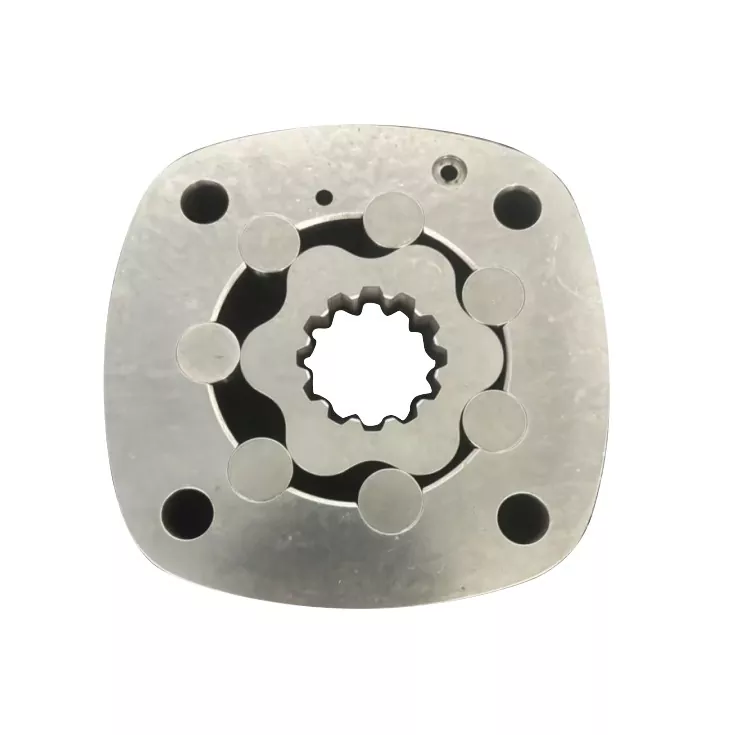
A hydraulic motor operating at higher rotational conditions experiences greater mechanical interaction between internal components. This makes precision manufacturing and quality control essential. Gear surfaces, bearings, shafts, housings, and sealing elements must work together effectively to maintain stable performance.
Advanced manufacturing methods help improve dimensional accuracy and reduce unnecessary friction inside the motor structure. Proper material selection and surface treatment can also contribute to better resistance against wear, allowing hydraulic systems to maintain performance over longer operating cycles.
For industrial equipment manufacturers, reliability remains a fundamental consideration. A motor that delivers high speed but cannot maintain stable operation may increase maintenance requirements and reduce overall equipment efficiency. Therefore, product development focuses on achieving an effective balance between speed capability and service life.
Application Development Across Different Industries
The application range of hydraulic motors continues to expand as industries require more flexible and powerful mechanical systems. Different sectors have unique operating conditions, creating specific expectations for hydraulic component performance.
Construction Machinery Applications
Construction machinery requires hydraulic systems that can provide strong mechanical output while maintaining precise control. Excavation equipment, lifting machinery, and specialized construction platforms often operate under changing loads and demanding environments.
In these applications, hydraulic motors need to support smooth movement, reliable torque transmission, and consistent performance during repeated operation. Equipment designers typically evaluate installation space, hydraulic circuit design, and operating conditions when selecting suitable motor solutions.
The increasing adoption of intelligent construction equipment is also influencing hydraulic component development. Automated control systems require faster response and improved coordination between hydraulic components and electronic systems. This trend creates additional opportunities for advanced motor technologies.
Agricultural Equipment Applications
Agricultural machinery operates across different terrains and weather conditions. Equipment used in farming, harvesting, and material handling requires hydraulic systems that can function reliably despite dust, vibration, and changing workloads.
Hydraulic motors provide flexible power transmission options for agricultural machines because hydraulic systems can distribute power efficiently throughout complex equipment structures. Manufacturers must consider durability, maintenance convenience, and environmental adaptability when developing solutions for agricultural applications.
As modern agriculture moves toward automation and precision operation, hydraulic components are expected to support more accurate movement control and improved energy management. This encourages further innovation in motor design and system integration.
Tunnel Engineering Applications
Tunnel construction environments create special challenges for mechanical systems. Limited working spaces, continuous operation requirements, and difficult maintenance conditions require hydraulic components with strong adaptability.
Hydraulic motors used in tunnel equipment must provide stable operation while resisting vibration, pressure changes, and demanding working conditions. Compact design, dependable sealing systems, and reliable manufacturing quality are important factors during product selection.
The development of underground engineering projects worldwide continues to increase demand for hydraulic solutions that can support heavy-duty machinery while maintaining operational efficiency.
Marine Engineering and Energy Equipment
Marine engineering applications require hydraulic components that can withstand moisture, corrosion risks, and long operating periods. Equipment used in marine environments often requires additional attention to material durability and protective design.
Energy equipment also places emphasis on stable operation and precise control. Hydraulic systems used in specialized energy applications must maintain consistent performance while supporting efficient power transmission.
These industries demonstrate the importance of designing hydraulic components according to real operating conditions rather than relying only on general performance specifications.
Engineering Factors Behind Reliable Hydraulic Motor Performance
The performance of a hydraulic motor depends on the coordination of multiple engineering elements. A reliable product requires careful attention throughout the entire process, from design and material selection to manufacturing and quality inspection.
Precision Manufacturing Processes
Internal component accuracy has a direct influence on hydraulic motor performance. Small variations in machining quality may affect efficiency, noise levels, heat generation, and operational stability.
Manufacturers use advanced machining technologies and inspection procedures to maintain consistent production quality. Precise manufacturing helps ensure that internal components operate smoothly and reduces the risk of unnecessary mechanical losses.
Material Selection and Structural Design
Material performance plays an important role in hydraulic equipment reliability. Components must withstand pressure, mechanical stress, temperature changes, and long-term operation.
A well-designed structure considers the relationship between internal components, housing strength, shaft performance, and sealing effectiveness. The goal is to create a balanced design that supports both performance and durability.
Hydraulic Fluid Management
Hydraulic fluid quality has a significant impact on component life. Proper lubrication reduces friction between moving parts and helps maintain stable operation.
Contamination control is also essential. Foreign particles inside hydraulic systems may accelerate wear and affect precision components. Effective filtration and regular system management contribute to more reliable equipment performance.
Manufacturing Quality and Industrial Supply Capability
The hydraulic industry requires manufacturers to provide consistent quality rather than individual high-performance products only. Stable production processes, strict inspection methods, and professional technical support have become important factors in long-term industrial cooperation.
A complete manufacturing system should cover research and development, production management, quality inspection, and customer service. Through continuous improvement in these areas, manufacturers can better respond to changing market requirements and application challenges.
Importance of Quality Control Systems
Quality control is essential for hydraulic components because these products often operate in critical industrial equipment. Inspection procedures should cover raw materials, machining processes, assembly accuracy, and finished product performance.
A comprehensive quality system helps identify potential issues before products enter practical applications. It also supports consistent performance across different production batches.
Technical Support and Application Guidance
Modern hydraulic solutions require more than manufacturing capability. Technical communication, application analysis, and engineering support are increasingly important during product development.
Manufacturers with strong technical capabilities can help equipment developers select appropriate configurations, improve installation efficiency, and optimize system performance according to actual operating requirements.
Future Trends in Hydraulic Motor Technology
The future development of hydraulic technology will be influenced by automation, energy efficiency, intelligent monitoring, and increasingly complex industrial requirements. Hydraulic components will continue evolving to support more advanced machine architectures.
Integration with Intelligent Equipment
Industrial automation is changing how machines operate and communicate. Hydraulic systems are increasingly combined with sensors, control units, and digital monitoring technologies to improve operational awareness.
Future hydraulic solutions may place greater emphasis on real-time performance analysis, predictive maintenance, and intelligent adjustment. These developments can help improve equipment reliability and reduce unexpected downtime.
Focus on Efficiency and Sustainability
Energy efficiency has become a major consideration across global industries. Manufacturers are working to reduce unnecessary losses through improved internal design, optimized hydraulic circuits, and better production technologies.
More efficient hydraulic components can support lower energy consumption while maintaining the performance required by demanding industrial applications. This direction aligns with broader industrial goals of improving resource utilization and operational sustainability.
Customization for Specialized Equipment
Different industries require different hydraulic solutions. Standardized products remain important, but customized engineering is becoming increasingly valuable for specialized machinery.
By analyzing application conditions, manufacturers can adjust structural design, connection methods, and performance characteristics to better match equipment requirements. This approach supports more effective integration and improved system performance.
How Manufacturers Can Support Modern Hydraulic Applications
A reliable hydraulic component supplier needs comprehensive capabilities covering technology development, manufacturing management, quality assurance, and service support. These capabilities allow manufacturers to respond effectively to changing industrial needs.
- Understanding the operating environment of different industries.
- Providing suitable hydraulic solutions according to equipment requirements.
- Maintaining consistent manufacturing quality through standardized processes.
- Supporting product optimization through engineering experience.
- Improving delivery efficiency through effective production management.
- Offering technical communication throughout application development.
This integrated approach helps hydraulic component manufacturers build stronger relationships with industrial equipment companies and contribute to more reliable machinery development.
Qingdao Yushan Intelligent Technology Co., Ltd. Supports Global Hydraulic Development
Qingdao Yushan Intelligent Technology Co., Ltd. is a professional enterprise specializing in the research and development, manufacturing, and sales of hydraulic motors. Located in Qingdao, Shandong Province, the company focuses on providing hydraulic power solutions for industries including engineering machinery, agricultural machinery, tunnel engineering, marine engineering, and energy equipment.
With a complete production management system and quality control process, Yushan Intelligent emphasizes product consistency, technical improvement, and application adaptability. The company has established a professional technical team that studies different industrial environments and develops hydraulic solutions according to practical requirements.
By combining manufacturing capability, engineering experience, and international market development, Yushan Intelligent continues to improve its service capability for global industrial applications. Its focus on quality, innovation, and customized solutions allows the company to support customers seeking reliable hydraulic power technologies.
As industries continue moving toward higher efficiency, automation, and intelligent operation, hydraulic components will remain an essential part of modern machinery. Through continuous technological development and application-focused manufacturing, Qingdao Yushan Intelligent Technology Co., Ltd. is committed to contributing reliable hydraulic solutions and supporting the future development of global industrial equipment.
High-Speed Hydraulic Motors will continue playing an important role in advanced hydraulic systems, and manufacturers that combine engineering expertise, quality management, and application understanding will be better positioned to meet future industrial challenges.
Next :
-
Related News
- How Are Gear Hydraulic Motors Advancing Modern Machinery?
- Oscillating Hydraulic Motors: How Do They Work and Where Are They Used?
- How to Select, Install, and Maintain Rotary Orbital Hydraulic Motors for Maximum Service Life?
- Hydraulic Motor Won't Cooperate? These On-Site Fixes Beat Calling the Dealer
- Small Orbital Hydraulic Motors: How to Choose the Right Compact Power Solution for Your Equipment
- How Do Gear Hydraulic Motors Work?
Leave me a message