English
- English
- Afrikaans
- Català
- Galego
- беларускі
- lugha ya Kiswahili
- አማርኛ
- ភាសាខ្មែរ
- ქართული
- Hausa
- Кыргыз тили
- Kurdî
- Hmong
- IsiXhosa
- Zulu
- Yoruba
- Тоҷикӣ
- O'zbek
- Igbo
- Sundanese
- Español
- Português
- русский
- Français
- 日本語
- Deutsch
- tiếng Việt
- Italiano
- ภาษาไทย
- Polski
- 한국어
- Malay
- বাংলা ভাষার
- हिन्दी
- Pilipino
- Türkçe
- العربية
- Indonesia
- تمل
- український
- Javanese
- فارسی
- தமிழ்
- नेपाली
- Burmese
- ລາວ
- Қазақша
- Euskal
- Română
- Srpski језик

Gear Hydraulic Motors: The Durable and Robust Workhorses of Industry
Introduction to Gear Hydraulic Motors
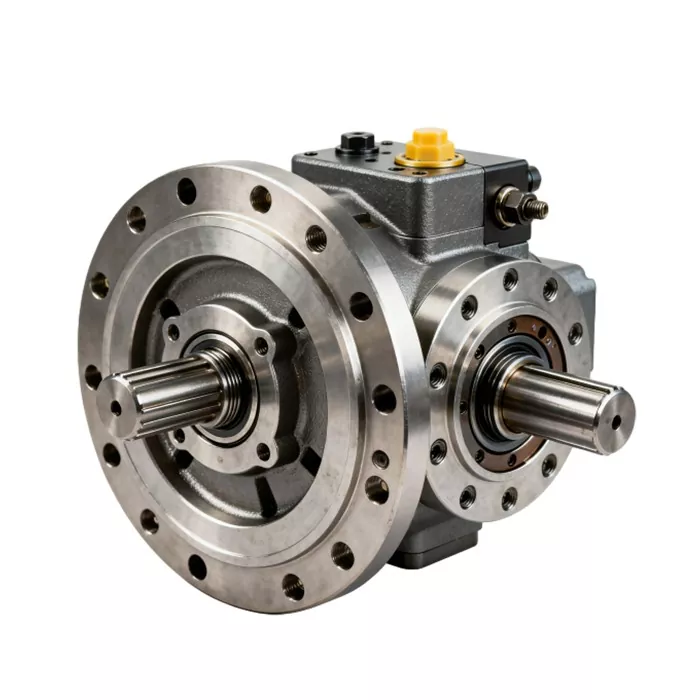
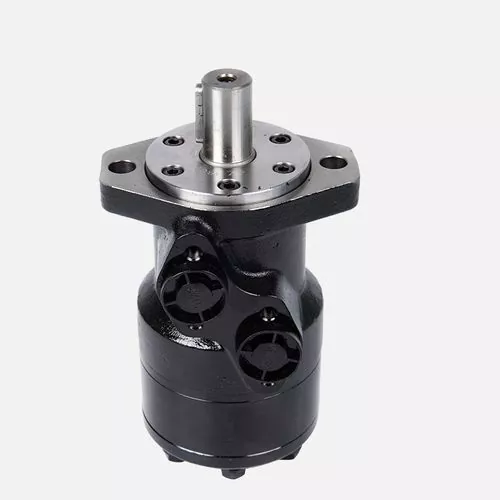
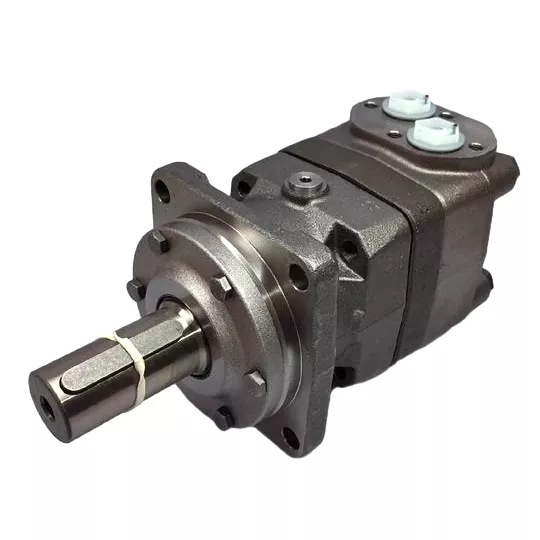
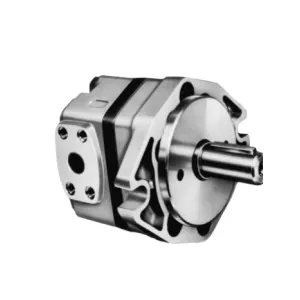
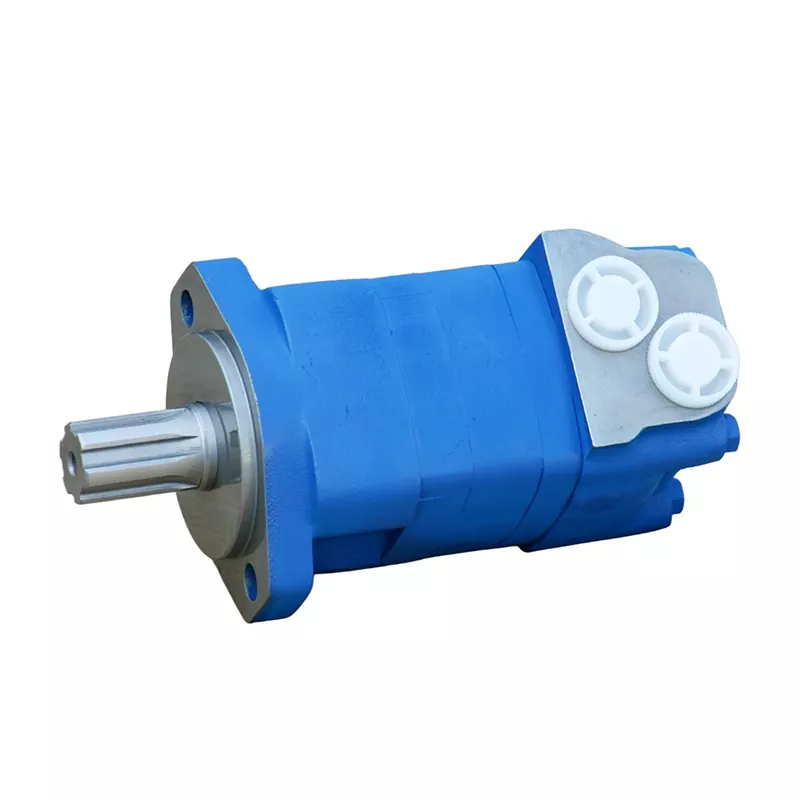
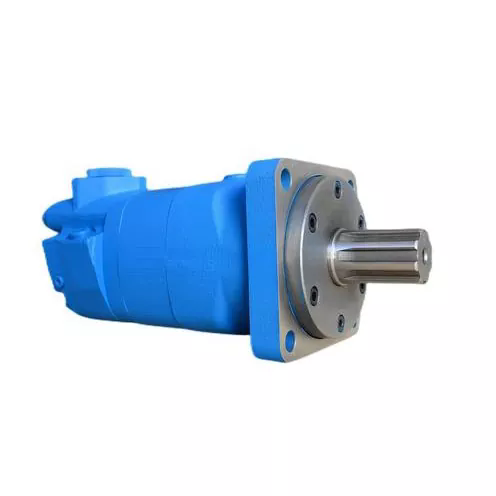
In industrial machinery, construction equipment and agricultural systems, huge power and reliable movement are required. Hydraulic motors are prime movers that convert fluid power into continuous rotational force. Among all the available types, Gear Hydraulic Motors is the most common and cost-effective one. Its simple and robust design makes it the preferred choice for various demanding applications.
How does Gear Hydraulic Motors work?
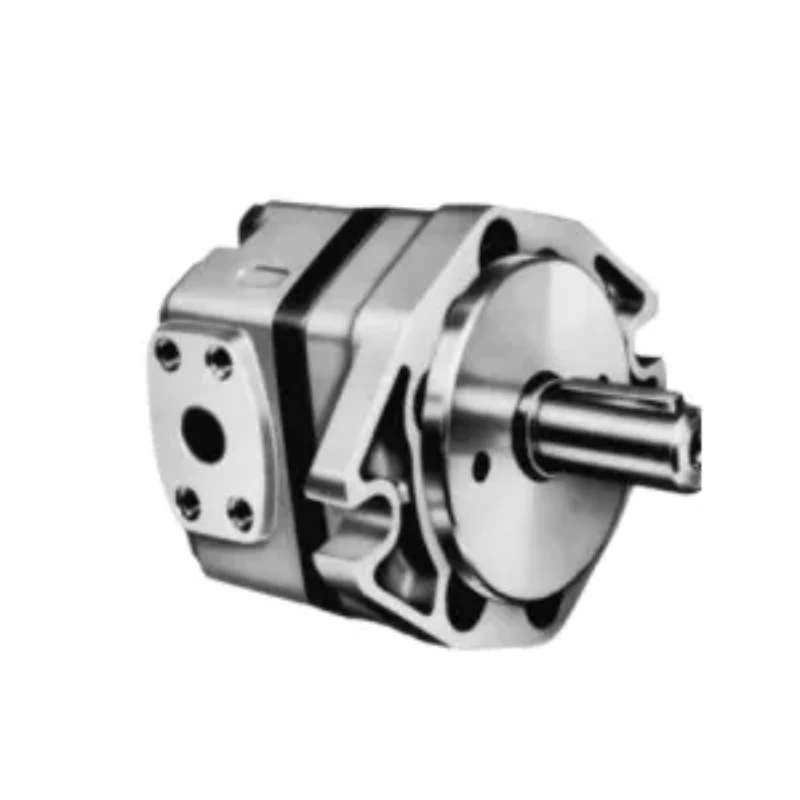
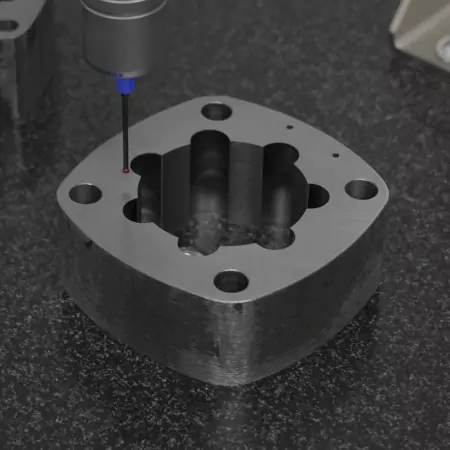
The working principle of Gear Hydraulic Motors is very simple and clear. Imagine an "external gear" configuration consisting of two meshing gears enclosed in a closely fitting housing. One is the driven gear, which is connected to the output shaft, and the other is the idler.
This process begins when high-pressure oil enters the air inlet on one side of the meshing gear. This pressurized oil fills the gap between the gear teeth and the surrounding housing. When the oil attempts to flow along the path of least resistance, it pushes the gear teeth, forcing the gears to rotate. The oil moves along the outer edge of the shell until it reaches the outlet on the other side. The key to this operation lies in the meshing point of the gears, which serves a sealing function to prevent high-pressure oil from short-circuiting back to the low-pressure inlet side.
To ensure long service life and smooth operation, a small amount of pressurized oil will be discharged to lubricate the key components of the motor, such as hydrodynamic bearings. Then, these lubricating oils are safely discharged back to the low-pressure side or directly into the storage tanks of the system.
Significant characteristics
One of the most notable positive attributes of Gear Hydraulic Motors is their failure mode. Unlike some complex motors that may get stuck without warning, gear motors usually exhibit "elegant degradation". Catastrophic collapses are rare. On the contrary, as time went by, the gear gradually wore out the housing and bushing. This kind of wear will gradually reduce the volumetric efficiency of the motor - which means it may start to rotate more slowly or require more fluid to maintain the same speed. Although this will eventually lead to low motor efficiency, it usually occurs long before an epileptic seizure that suddenly stops working. This predictable end-of-life mode allows for planned maintenance and replacement, minimizing unexpected downtime.
Versatility
The versatility of Gear Hydraulic Motors is another reason for its wide use. They can be designed to run in one direction and in both directions, making them suitable for various tasks. Manufacturers offer various body materials, such as aluminium for light-duty applications or cast iron for harsher, heavy-duty environments. Furthermore, their design itself enables them to handle a large amount of radial loads. To meet specific requirements, these motors can be equipped with additional functions, such as pressure reducing valves to prevent overpressure damage, anti-cavitation valves to prevent air from entering, and speed sensors for precise control. This adaptability ensures that gear motor configurations are available for almost all challenges.
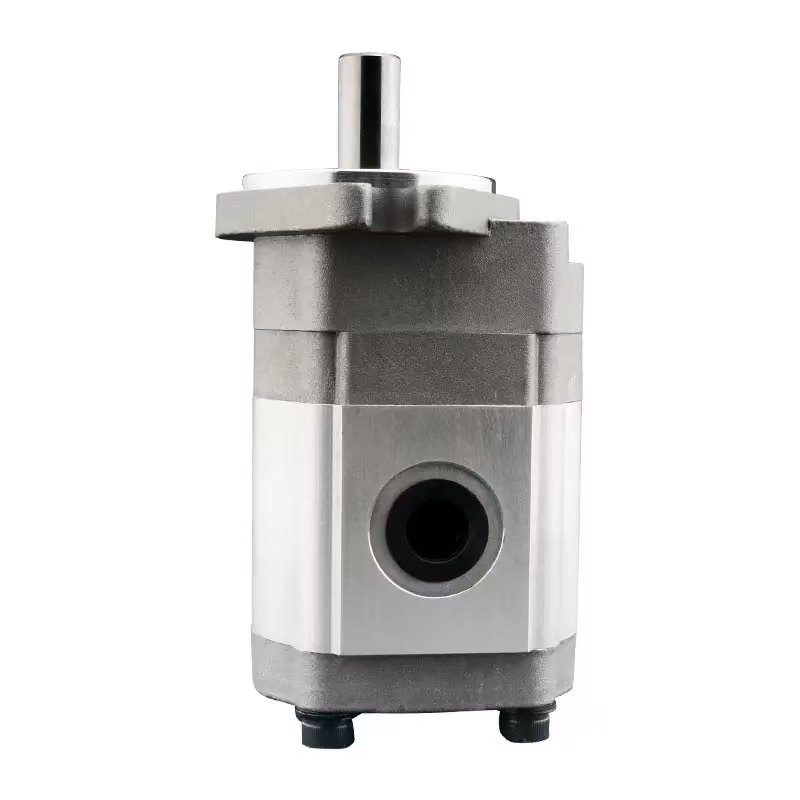
With its simple design, predictable performance and durability, Gear Hydraulic Motors continues to be a reliable force in keeping the industry moving. Yushan Intelligent has high-quality Gear Hydraulic Motors. Welcome to purchase!
Related News
- How Are High-Speed Hydraulic Motors Improving Industrial Equipment Performance?
- How Are Gear Hydraulic Motors Advancing Modern Machinery?
- Oscillating Hydraulic Motors: How Do They Work and Where Are They Used?
- How to Select, Install, and Maintain Rotary Orbital Hydraulic Motors for Maximum Service Life?
- Hydraulic Motor Won't Cooperate? These On-Site Fixes Beat Calling the Dealer
- Small Orbital Hydraulic Motors: How to Choose the Right Compact Power Solution for Your Equipment
Leave me a message