English
- English
- Afrikaans
- Català
- Galego
- беларускі
- lugha ya Kiswahili
- አማርኛ
- ភាសាខ្មែរ
- ქართული
- Hausa
- Кыргыз тили
- Kurdî
- Hmong
- IsiXhosa
- Zulu
- Yoruba
- Тоҷикӣ
- O'zbek
- Igbo
- Sundanese
- Español
- Português
- русский
- Français
- 日本語
- Deutsch
- tiếng Việt
- Italiano
- ภาษาไทย
- Polski
- 한국어
- Malay
- বাংলা ভাষার
- हिन्दी
- Pilipino
- Türkçe
- العربية
- Indonesia
- تمل
- український
- Javanese
- فارسی
- தமிழ்
- नेपाली
- Burmese
- ລາວ
- Қазақша
- Euskal
- Română
- Srpski језик

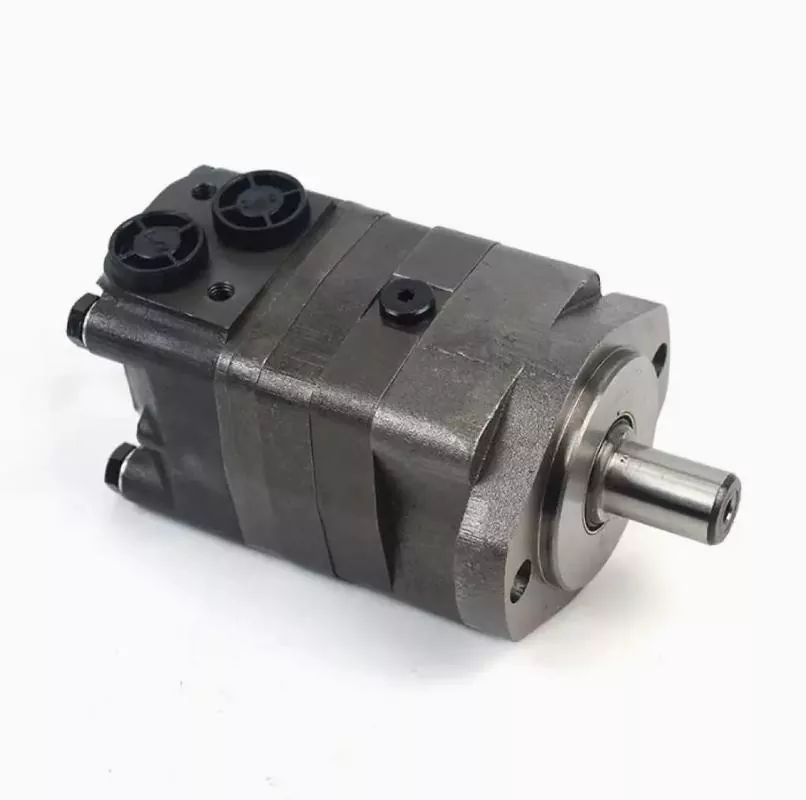
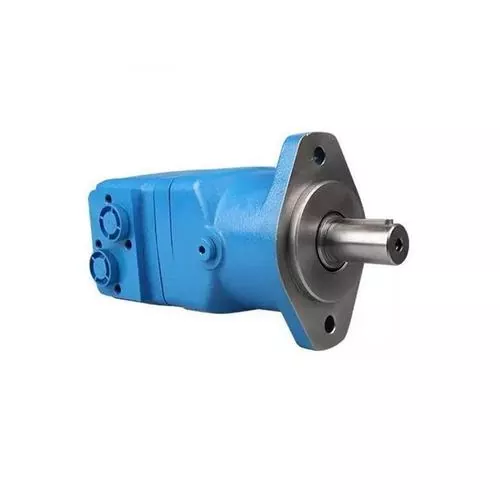
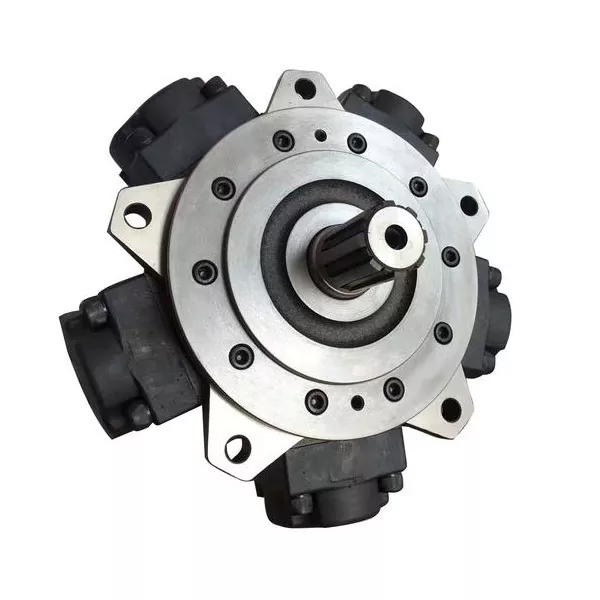
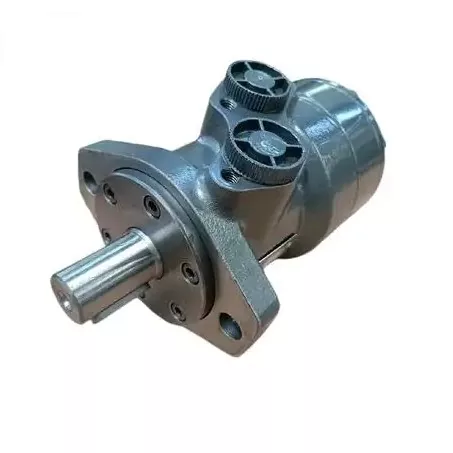
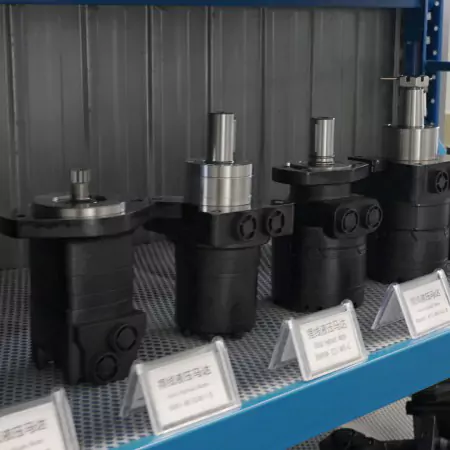
Oscillating Hydraulic Motors: How Do They Work and Where Are They Used?
In hydraulic systems, converting fluid power into mechanical motion is a key step for achieving efficient equipment operation. While traditional hydraulic motors are mainly designed for continuous rotary movement, Oscillating Hydraulic Motors provide a different solution by converting hydraulic energy into controlled back-and-forth rotational motion.
Due to their compact structure, high torque output, and precise movement control, oscillating hydraulic motors are widely used in industrial automation, construction machinery, material handling equipment, marine systems, and other applications that require limited-angle rotation.
What Is an Oscillating Hydraulic Motor?
An oscillating hydraulic motor is a hydraulic actuator that converts pressurized hydraulic fluid into angular movement within a specific rotation range.
Unlike conventional hydraulic motors that rotate continuously in one direction, an oscillating hydraulic motor produces a repeated swinging motion between two preset angles.
The basic working process is:
Hydraulic oil enters → Pressure acts on internal components → Mechanical force is generated → Output shaft rotates back and forth
The rotation angle can typically be customized according to application requirements, such as 90°, 180°, or other specific ranges.
How Does an Oscillating Hydraulic Motor Work?
The operating principle depends on converting hydraulic pressure into torque through internal mechanical structures.
When pressurized hydraulic oil enters one side of the motor chamber, it pushes internal components to create rotational force. When the oil flow direction changes, the output shaft moves back in the opposite direction.
Main working components usually include:
Hydraulic cylinder or chamber
Rotor or vane mechanism
Output shaft
Sealing system
Housing structure
By controlling hydraulic flow direction and pressure, the motor can achieve accurate oscillating movement.
Key Advantages of Oscillating Hydraulic Motors
1. High Torque Output in Compact Design
One of the main advantages of oscillating hydraulic motors is their ability to generate high torque while maintaining a relatively compact size.
This makes them suitable for applications where installation space is limited but strong rotational force is required.
Common examples include:
Valve operation systems
Robotic equipment
Industrial machinery
Steering systems
2. Precise Angular Position Control
Many industrial applications require controlled movement rather than continuous rotation.
Oscillating hydraulic motors allow engineers to define:
Rotation angle
Movement speed
Operating frequency
Torque output
This makes them suitable for automation systems requiring repeatable positioning.
3. Smooth Operation and Reliable Performance
Hydraulic systems naturally provide high power density and smooth force transmission.
Compared with some electric actuators, oscillating hydraulic motors can perform well in heavy-duty environments where high loads, vibration, or harsh conditions exist.
4. Suitable for Heavy-Duty Applications
Because hydraulic power systems can generate significant force, oscillating hydraulic motors are often selected for demanding industrial applications.
They can operate effectively under:
High load conditions
Frequent working cycles
Outdoor environments
Dusty or challenging conditions
Oscillating Hydraulic Motor vs Traditional Hydraulic Motor
|
Comparison |
Oscillating Hydraulic Motor |
Traditional Hydraulic Motor |
|
Motion Type |
Limited-angle back-and-forth rotation |
Continuous rotation |
|
Main Function |
Angular positioning and swinging movement |
Continuous power transmission |
|
Rotation Range |
Usually customized angle |
Unlimited rotation |
|
Control Requirement |
Precise directional control |
Speed and torque control |
|
Typical Applications |
Valves, automation, positioning systems |
Conveyors, wheels, rotating equipment |
Common Types of Oscillating Hydraulic Motors
Vane Type Oscillating Hydraulic Motor
Vane-type designs use hydraulic pressure acting on vanes to generate rotational movement.
Advantages include:
Compact structure
Smooth operation
Good positioning performance
They are commonly used in industrial automation and control systems.
Rack and Pinion Type Hydraulic Oscillating Motor
This type converts linear piston movement into rotary motion through a rack and pinion mechanism.
Features include:
High torque output
Simple mechanical structure
Reliable operation
It is often used for heavy-duty valve actuators and industrial equipment.
Helical Shaft Hydraulic Oscillating Motor
Helical designs provide smooth torque transmission and are suitable for applications requiring stable movement and reduced vibration.
Applications of Oscillating Hydraulic Motors
Industrial Automation
Oscillating hydraulic motors are used in automated systems that require controlled angular movement, including:
Robotic arms
Clamping devices
Positioning mechanisms
Hydraulic Valve Actuation
Large industrial valves often require reliable opening and closing control.
Oscillating hydraulic motors provide the necessary torque for:
Pipeline valves
Oil and gas equipment
Water treatment systems
Construction Machinery
Heavy equipment requires strong and reliable hydraulic movement.
Applications include:
Excavator attachments
Lifting mechanisms
Rotating platforms
Marine Equipment
Marine systems often operate in demanding environments where hydraulic solutions provide reliable performance.
Oscillating hydraulic motors can be used in:
Steering systems
Deck machinery
Control mechanisms
How to Choose the Right Oscillating Hydraulic Motor?
Selecting a suitable motor requires evaluating several important factors.
1. Required Torque
Torque is one of the most important selection parameters.
Users should consider:
Load size
Operating pressure
Safety margin
Working frequency
A motor with insufficient torque may fail to complete the required movement.
2. Rotation Angle Requirements
Different applications require different oscillation ranges.
Before selection, confirm:
Maximum rotation angle
Return position accuracy
Movement cycle requirements
3. Working Pressure and Hydraulic System Compatibility
The motor must match the existing hydraulic system.
Important parameters include:
Operating pressure
Flow rate
Hydraulic oil type
Temperature range
4. Installation Environment
The working environment affects motor selection.
Consider:
Indoor or outdoor installation
Exposure to moisture or dust
Required protection level
Maintenance accessibility
Maintenance Tips for Oscillating Hydraulic Motors
Proper maintenance helps maintain stable performance and extend service life.
Recommended practices include:
Check hydraulic oil quality regularly
Replace filters according to maintenance schedules
Inspect seals for leakage
Monitor abnormal noise or vibration
Keep hydraulic systems clean
Contaminated hydraulic fluid is one of the common causes of reduced performance and component wear.
Future Development Trends of Oscillating Hydraulic Motors
With the growth of automation and intelligent manufacturing, oscillating hydraulic motors are developing toward:
Higher positioning accuracy
More compact designs
Improved energy efficiency
Smart monitoring capabilities
Longer service life
Future hydraulic systems will focus not only on power output but also on precise control and intelligent operation.
Conclusion
Oscillating hydraulic motors provide an effective solution for applications requiring controlled angular movement and high torque output. Their compact structure, reliable performance, and flexible control make them valuable components in industrial automation, machinery, valve systems, and heavy-duty equipment.
Related News
- How Are High-Speed Hydraulic Motors Improving Industrial Equipment Performance?
- How Are Gear Hydraulic Motors Advancing Modern Machinery?
- How to Select, Install, and Maintain Rotary Orbital Hydraulic Motors for Maximum Service Life?
- Hydraulic Motor Won't Cooperate? These On-Site Fixes Beat Calling the Dealer
- Small Orbital Hydraulic Motors: How to Choose the Right Compact Power Solution for Your Equipment
- How Do Gear Hydraulic Motors Work?
Leave me a message