English
- English
- Afrikaans
- Català
- Galego
- беларускі
- lugha ya Kiswahili
- አማርኛ
- ភាសាខ្មែរ
- ქართული
- Hausa
- Кыргыз тили
- Kurdî
- Hmong
- IsiXhosa
- Zulu
- Yoruba
- Тоҷикӣ
- O'zbek
- Igbo
- Sundanese
- Español
- Português
- русский
- Français
- 日本語
- Deutsch
- tiếng Việt
- Italiano
- ภาษาไทย
- Polski
- 한국어
- Malay
- বাংলা ভাষার
- हिन्दी
- Pilipino
- Türkçe
- العربية
- Indonesia
- تمل
- український
- Javanese
- فارسی
- தமிழ்
- नेपाली
- Burmese
- ລາວ
- Қазақша
- Euskal
- Română
- Srpski језик

How Are Gear Hydraulic Motors Advancing Modern Machinery?
Hydraulic power systems remain essential across construction, agriculture, tunneling, marine operations, and energy equipment. As machinery becomes more compact, productive, and highly integrated, the hydraulic motor has an increasingly important role in converting hydraulic energy into controlled mechanical movement. Among the available motor architectures, Gear Hydraulic Motors continue to attract attention because of their straightforward operating principle, durable construction, and adaptability to demanding industrial environments.
Recent developments in hydraulic equipment are not focused solely on increasing output. Engineers are also placing greater emphasis on efficiency, controllability, service life, installation flexibility, and compatibility with increasingly sophisticated hydraulic circuits. These requirements are encouraging manufacturers to refine gear-based hydraulic drive solutions while improving material selection, machining accuracy, sealing systems, and manufacturing consistency.
Changing Requirements in Hydraulic Power Systems
Modern machinery often operates under conditions that place continuous demands on hydraulic components. Construction equipment may experience heavy loads, intermittent shock, vibration, dust, and frequent directional changes. Agricultural machinery must remain dependable across changing outdoor environments, while tunnel equipment can encounter restricted spaces, high pressure, and difficult maintenance conditions. Marine applications introduce additional concerns related to moisture, corrosion, and long operating cycles.
These different environments have created a stronger need for hydraulic motors that can be integrated into application-specific systems rather than treated as isolated components. Motor selection increasingly considers the complete hydraulic circuit, including pump characteristics, operating pressure, flow requirements, load behavior, control valves, lubrication conditions, and the mechanical connection between the motor and driven equipment.
This broader approach is also influencing product development. Instead of relying only on nominal performance specifications, engineering teams are evaluating how a motor behaves during acceleration, continuous operation, load variation, reversing, and shutdown. Such considerations are particularly important when hydraulic motors are installed in equipment that operates continuously or in locations where maintenance access is limited.
From Basic Drive Components to Integrated Solutions
The hydraulic motor has traditionally been viewed as a power conversion component. However, current equipment design increasingly treats the motor as part of a complete motion system. Its performance can affect the responsiveness, energy consumption, thermal behavior, and operational stability of the entire machine.
For this reason, manufacturers are paying closer attention to dimensional consistency, internal clearance, gear engagement, shaft design, bearing arrangements, sealing performance, and surface treatment. These factors influence how effectively hydraulic energy is transferred into rotary motion and how consistently the motor performs during extended operation.
Why Gear-Based Hydraulic Designs Remain Relevant
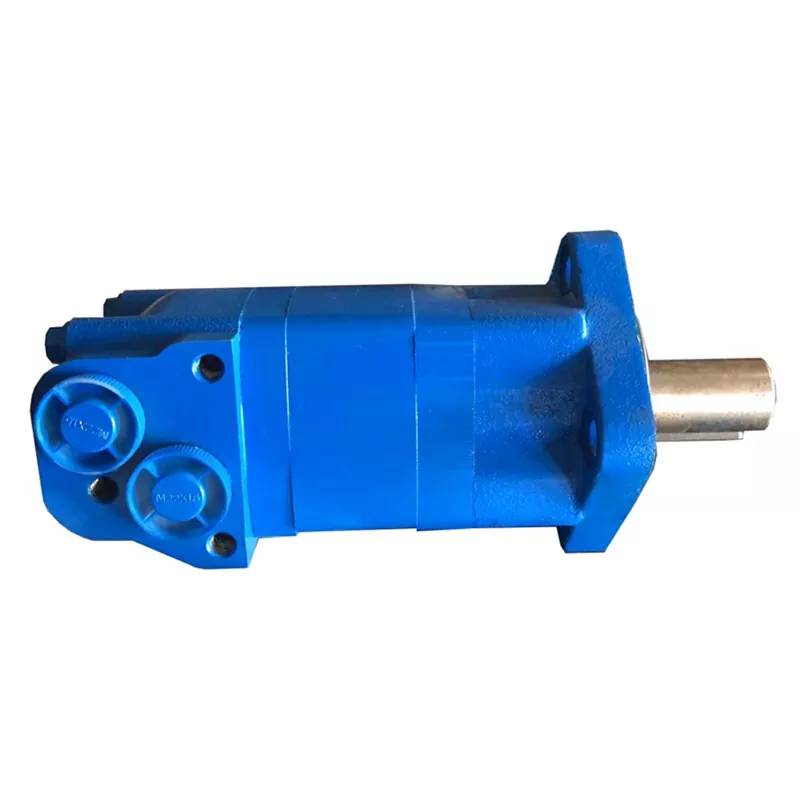
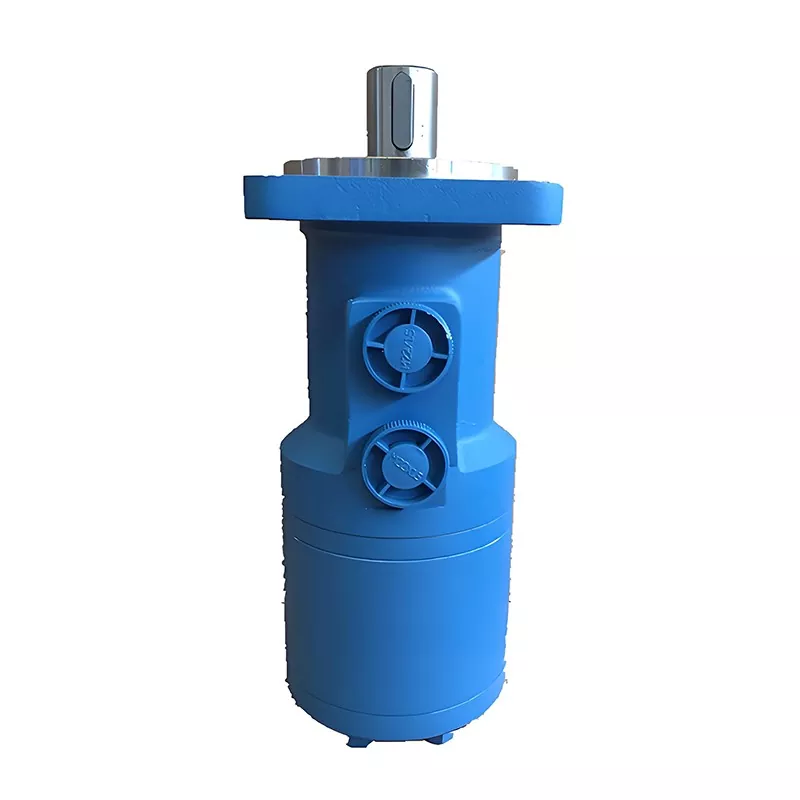
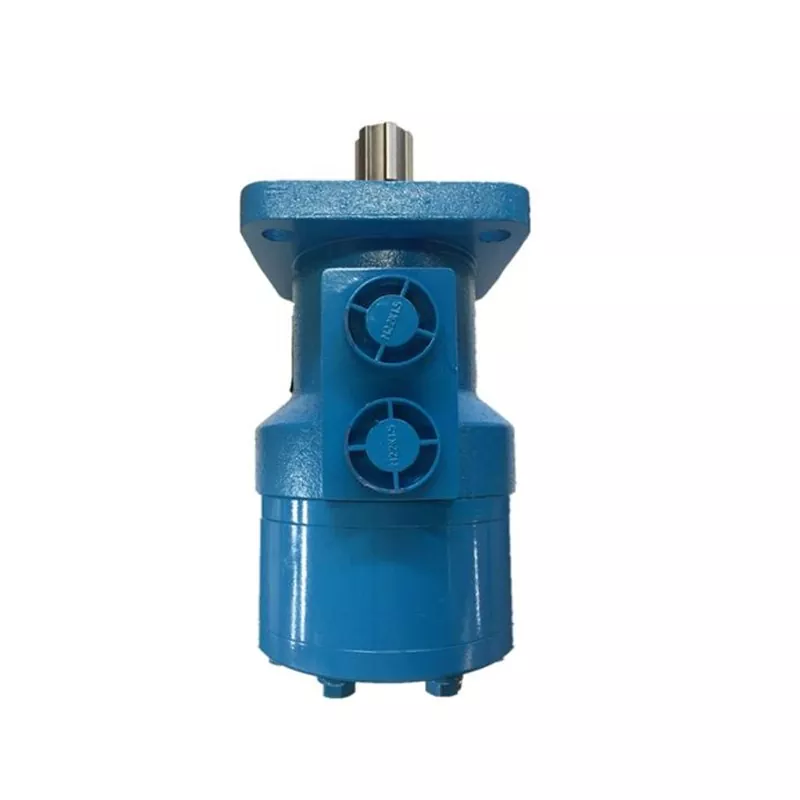
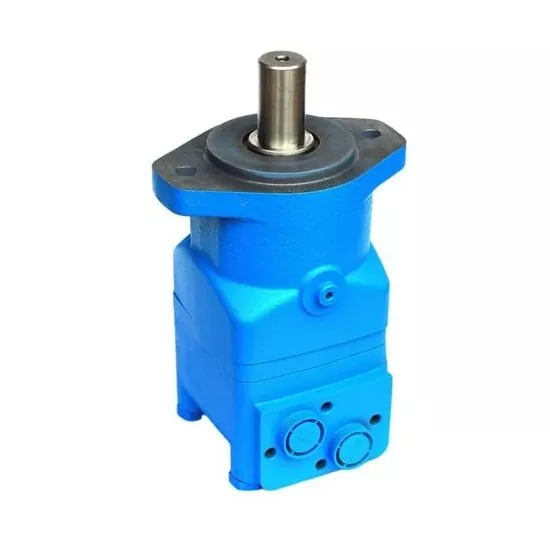
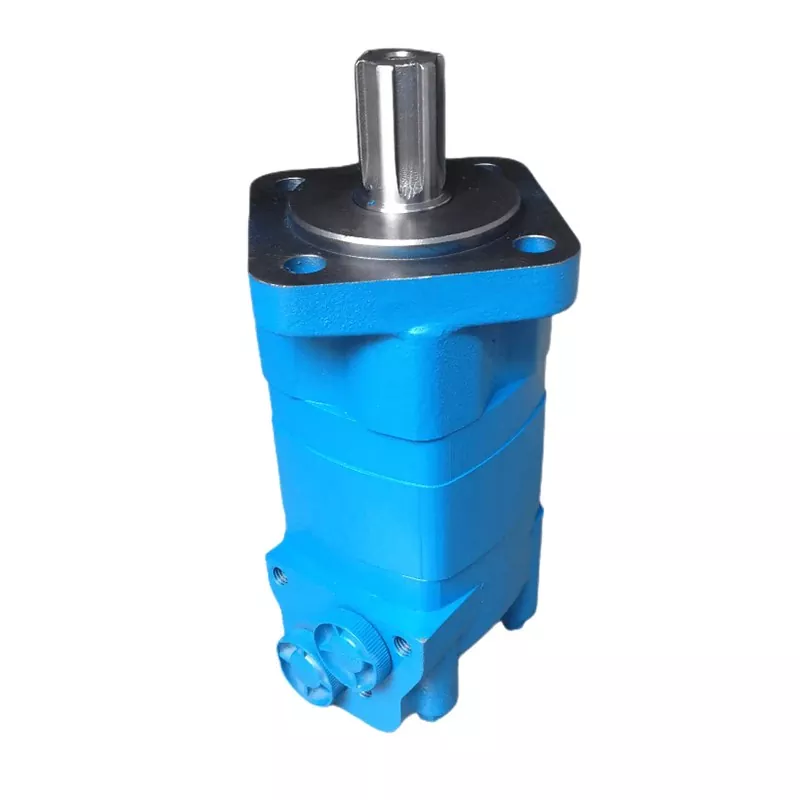
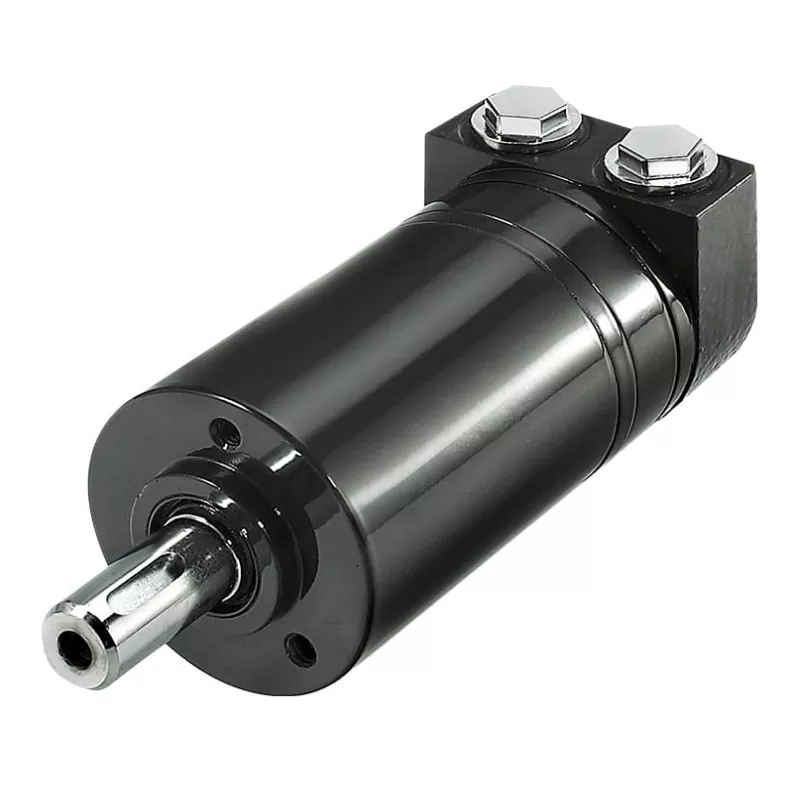
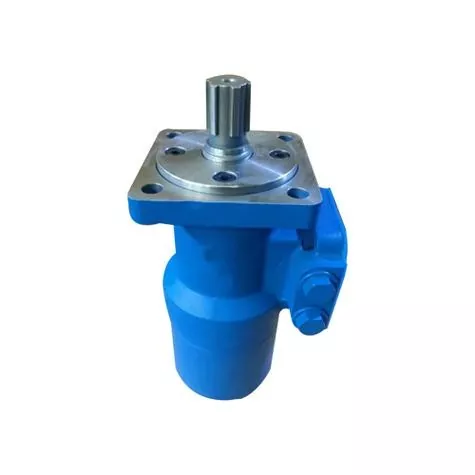
Gear-based hydraulic motors have a relatively straightforward internal structure. Hydraulic fluid enters the motor and acts on the gear elements, producing rotational movement that is transferred through the output shaft. This uncomplicated mechanism provides a practical foundation for many hydraulic power applications.
A major advantage of this architecture is its mechanical simplicity. Fewer complex moving elements can make the design easier to manufacture, inspect, install, and service. When properly engineered and matched with suitable operating conditions, the motor can provide dependable rotary power for a wide range of industrial equipment.
Another important characteristic is its ability to support applications where compact hydraulic power transmission is required. Equipment designers often need to achieve substantial mechanical output without introducing an unnecessarily complicated drive arrangement. A compact hydraulic motor can help simplify machine layouts and provide greater freedom when positioning driven components.
| Design Consideration | Industrial Significance |
|---|---|
| Gear engagement | Supports consistent transfer of hydraulic energy into rotary motion |
| Housing construction | Provides structural support and protection for internal components |
| Shaft configuration | Facilitates mechanical connection with driven equipment |
| Sealing arrangement | Helps maintain hydraulic integrity during operation |
| Material selection | Contributes to durability and resistance to operating stress |
Mechanical Simplicity and Service Considerations
Industrial machinery frequently operates far from ideal maintenance environments. A component that can be inspected and serviced without excessive complexity may offer practical advantages over its operating life. The relatively direct construction of gear-based hydraulic motors can support straightforward maintenance strategies when the product is correctly specified and installed.
However, simplicity should not be confused with a lack of engineering requirements. Internal clearances, gear geometry, bearing quality, shaft alignment, hydraulic cleanliness, and sealing performance all require careful control. A robust design depends on the coordination of these elements rather than on structural simplicity alone.
Hydraulic fluid cleanliness is particularly important. Contamination can accelerate wear on internal surfaces and interfere with normal component interaction. Maintaining appropriate filtration and using hydraulic fluid compatible with the system can therefore contribute significantly to reliable motor operation.
Application Trends Across Industrial Machinery
The continuing development of hydraulic machinery is creating diverse application requirements. A motor used for an agricultural implement may have different priorities from one installed in tunnel construction equipment, even when both systems depend on hydraulic rotary power.
Understanding these differences allows engineers to select appropriate motor configurations according to actual operating conditions. Factors such as load characteristics, installation space, rotational requirements, environmental exposure, hydraulic circuit design, and expected duty cycle should be considered during system development.
Construction and Heavy Equipment
Construction machinery frequently combines high mechanical loads with repeated movement. Hydraulic motors may be integrated into auxiliary drives, material-handling mechanisms, compact equipment, and other systems requiring controlled rotary motion.
In these environments, durability and predictable operation are important. Hydraulic components may be exposed to vibration, dust, temperature changes, and fluctuating loads. The motor housing, shaft, sealing system, and internal gear assembly must therefore work together to maintain stable performance under changing conditions.
For equipment manufacturers, another consideration is integration. The motor must match the available mounting arrangement and mechanical interface while remaining compatible with the machine's hydraulic circuit. Proper matching can help avoid unnecessary modifications during assembly and simplify system design.
Agricultural Machinery
Agricultural equipment operates across changing terrain and environmental conditions. Machinery may encounter dust, moisture, temperature variation, vibration, and irregular loading during field operations. Hydraulic drives are widely used because they can transmit power through flexible hydraulic circuits and support different machine functions.
Gear-based hydraulic motors can be considered for applications where reliable rotary motion and practical installation are required. Their suitability depends on the actual pressure, flow, speed, load, and environmental conditions of the equipment. Correct system matching is essential for achieving stable operation and avoiding premature wear.
Ease of maintenance is also relevant in agricultural applications. Equipment downtime during critical operating periods can affect overall productivity, making component reliability and service accessibility important aspects of hydraulic system planning.
Tunnel Engineering Equipment
Tunnel machinery presents a distinctive combination of restricted installation space, demanding loads, dust, vibration, and difficult maintenance access. Hydraulic systems are often selected because hydraulic power can be routed through compact circuits while supporting multiple machine functions.
In such environments, hydraulic motor selection should consider both mechanical performance and environmental compatibility. Housing strength, sealing integrity, shaft configuration, and resistance to operational stress can all influence long-term reliability.
System designers may also evaluate how easily the motor can be incorporated into existing hydraulic architecture. A practical configuration can simplify installation and contribute to more efficient equipment maintenance.
Marine and Offshore Equipment
Marine engineering places additional emphasis on environmental protection and material durability. Hydraulic components can be exposed to humidity, salt-laden air, temperature variation, and continuous mechanical loads. These conditions require careful consideration of materials, coatings, seals, connection methods, and maintenance procedures.
For marine applications, hydraulic motors should be evaluated according to the specific environmental exposure and operating requirements. Corrosion-resistant materials and appropriate protective measures can help preserve component integrity, while suitable sealing arrangements can reduce the risk of external contamination affecting internal components.
Energy and Specialized Equipment
Energy-related machinery often emphasizes stable operation, predictable control, and long service intervals. Hydraulic motors can provide compact rotary power for auxiliary mechanisms and specialized equipment where electrical or mechanical transmission arrangements may not be suitable for the application.
As energy equipment becomes more sophisticated, hydraulic components are also expected to support higher levels of system integration. Manufacturers are therefore paying closer attention to efficiency, thermal management, control response, and compatibility with automated equipment architectures.
Engineering Factors That Influence Motor Performance
Reliable hydraulic motor performance is determined by the interaction between design, manufacturing, operating conditions, and maintenance. A motor that performs well in one application may not be appropriate for another if the hydraulic circuit or mechanical load differs significantly.
Hydraulic Pressure and Flow Compatibility
Pressure and flow are fundamental considerations when selecting a hydraulic motor. Pressure is associated with the torque-producing capability of the hydraulic system, while flow has a strong relationship with motor rotational speed. The actual operating range should be considered rather than evaluating the motor based on a single nominal condition.
Frequent pressure fluctuations can create additional mechanical stress, particularly when the equipment experiences sudden changes in load. Engineers should therefore consider both normal operating conditions and transient events when evaluating motor suitability.
Load Characteristics and Rotation Requirements
The driven load has a direct influence on motor selection. Some equipment requires smooth continuous rotation, while other systems may involve intermittent movement, frequent starts and stops, reversing, or variable resistance.
Understanding the load profile allows engineers to determine whether the selected motor architecture and configuration are appropriate. Shaft strength, bearing capacity, gear design, and housing construction should all be considered in relation to the mechanical load.
Hydraulic Fluid and Cleanliness
Hydraulic fluid is part of the operating environment of the motor and directly affects internal lubrication and component interaction. Fluid selection should follow the requirements of the hydraulic system and motor design.
Contaminated fluid can introduce abrasive particles into precision interfaces, accelerating wear and potentially reducing efficiency. Effective filtration, proper storage of hydraulic fluid, and regular monitoring of system cleanliness are therefore important for maintaining dependable operation.
Temperature Management
Operating temperature can influence fluid viscosity, sealing behavior, lubrication, and component durability. Excessive heat may reduce the effectiveness of hydraulic fluid and place additional demands on seals and internal components.
Temperature should therefore be evaluated as part of the complete hydraulic system rather than considered solely at the motor level. Pump efficiency, valve losses, fluid circulation, ambient conditions, and cooling arrangements can all contribute to the thermal condition of the system.
Manufacturing Quality and Product Consistency
Hydraulic motors rely on close interaction between precision-manufactured components. Small variations in gear geometry, shaft dimensions, bearing installation, housing machining, or sealing surfaces can influence operational behavior.
For this reason, modern hydraulic motor manufacturing increasingly emphasizes process consistency. Standardized production procedures, controlled machining processes, component inspection, assembly verification, and finished-product testing can help maintain predictable quality across different production batches.
Precision in Internal Components
Gear geometry is central to the operation of a gear-based motor. Properly controlled tooth profiles and surface quality contribute to effective engagement between mating components. Excessive clearance can influence volumetric efficiency, while insufficient clearance may increase friction and heat generation.
Manufacturing accuracy therefore needs to be balanced with the intended operating conditions. The objective is not simply to make individual components precise, but to ensure that the complete assembly operates within an appropriate engineering range.
Housing and Shaft Reliability
The housing provides structural support for the internal assembly and must withstand hydraulic and mechanical stresses. Its machining accuracy also influences alignment between internal components.
The output shaft provides the connection between hydraulic power and the driven machine. Shaft configuration, surface treatment, bearing support, and connection design should therefore be evaluated according to the mechanical interface and load conditions of the application.
Sealing and Leakage Control
Sealing performance is an essential aspect of hydraulic equipment. Proper seals help retain hydraulic fluid while limiting the entry of external contaminants. Seal selection should take into account pressure, temperature, fluid compatibility, shaft movement, and environmental exposure.
Effective leakage control is important not only for cleanliness but also for system efficiency and operational reliability. A comprehensive quality-control process should therefore verify sealing performance during appropriate stages of production and final inspection.
Efficiency and Reliability in Modern Hydraulic Systems
Industrial customers increasingly evaluate hydraulic equipment from a lifecycle perspective. Initial equipment performance remains important, but long-term energy consumption, maintenance requirements, replacement intervals, and operational stability can have an equally significant influence on overall equipment value.
This trend is encouraging manufacturers to improve internal surface quality, reduce unnecessary mechanical losses, optimize hydraulic flow paths, and refine manufacturing tolerances. These improvements can support more consistent hydraulic energy conversion while helping equipment designers develop efficient drive systems.
Reducing Unnecessary Energy Loss
Energy losses within hydraulic systems can result from leakage, friction, pressure drops, inefficient circuit design, and heat generation. Although a motor is only one part of the complete system, its internal design can influence overall hydraulic efficiency.
Properly matched components can help reduce avoidable losses. The motor should be selected according to the actual operating range rather than being significantly oversized or undersized for the application. Appropriate hydraulic fluid, filtration, cooling, and circuit design are also important contributors to system efficiency.
Supporting Long-Term Equipment Operation
Reliability is closely related to correct application. Even a well-manufactured hydraulic motor can experience shortened service life if it is exposed to operating conditions beyond its intended range.
Application engineering should therefore begin with a clear understanding of the machine. Engineers should evaluate the expected load, operating cycle, hydraulic conditions, environmental exposure, installation method, and maintenance strategy before finalizing the motor configuration.
Customization Is Becoming More Important
Industrial machinery is becoming increasingly application-specific, which means standardized hydraulic components do not always provide the most effective solution. Different equipment platforms may require variations in mounting configuration, shaft arrangement, port orientation, displacement, sealing configuration, or material selection.
Customization can allow the motor to integrate more naturally into the hydraulic and mechanical architecture of the equipment. Instead of modifying a machine extensively to accommodate a standard product, engineering teams can work with manufacturers to develop configurations that better correspond with the intended installation conditions.
Application-Based Engineering
A useful customization process begins with the operating environment rather than the product catalog. Engineers can evaluate the machine's hydraulic circuit, expected loads, rotational requirements, installation limitations, environmental conditions, and service expectations.
This approach helps manufacturers identify the most appropriate structural configuration and supporting components. It also creates opportunities to improve installation efficiency and reduce compatibility issues during equipment assembly.
Balancing Standardization and Flexibility
Customization does not necessarily mean creating an entirely unique product for every application. Many manufacturers use standardized core architectures while adapting selected interfaces or performance characteristics to meet specific equipment requirements.
This balance can provide the advantages of established manufacturing processes while giving engineering teams greater flexibility. It may also support more consistent quality control because core components and production methods remain based on proven manufacturing platforms.
What Hydraulic Motor Development May Look Like Next
The future direction of hydraulic motor development is closely connected with the broader evolution of industrial machinery. Equipment manufacturers are pursuing greater automation, improved energy utilization, compact machine structures, and more intelligent control systems.
These developments will continue to influence hydraulic component design. Motors will increasingly be evaluated according to their role within electronically controlled hydraulic systems rather than as standalone mechanical devices.
Greater Attention to Intelligent Monitoring
Condition monitoring can help equipment operators understand how hydraulic systems behave during actual operation. Pressure, temperature, vibration, rotational behavior, and other operating information can support maintenance planning and fault analysis.
As industrial equipment becomes more connected, hydraulic components may increasingly become part of broader monitoring strategies. This can support a transition from reactive maintenance toward condition-based maintenance, especially for machinery where unexpected downtime is costly or difficult to manage.
Compact Equipment Architecture
Space efficiency is another important development direction. Construction equipment, agricultural machinery, and specialized industrial systems often need to accommodate more functions within limited installation spaces.
Compact hydraulic drive components can provide useful flexibility when designers are arranging pumps, valves, motors, pipelines, and mechanical transmission elements. Future product development is therefore likely to continue balancing compact dimensions with thermal performance, structural strength, and serviceability.
More Efficient Hydraulic Power Transmission
Energy efficiency will remain a major consideration as industrial companies seek to control operating costs and improve equipment sustainability. Hydraulic motor manufacturers are expected to continue refining internal geometries, material technologies, sealing systems, and manufacturing processes to support efficient power transmission.
The most effective improvements will likely come from system-level optimization. Motor efficiency, pump performance, valve selection, hydraulic circuit architecture, fluid management, and control strategy must work together to achieve meaningful gains.
Practical Considerations for Equipment Development
When selecting a hydraulic motor for industrial machinery, engineers should avoid focusing on a single specification. A reliable selection process considers the entire operating environment and the relationship between hydraulic and mechanical components.
- Define the required type of rotary movement and expected load behavior.
- Evaluate the hydraulic pressure and flow range under actual operating conditions.
- Check the compatibility between the motor shaft and the driven mechanical assembly.
- Consider installation space, mounting requirements, and port arrangement.
- Assess ambient temperature, moisture, dust, vibration, and other environmental conditions.
- Select suitable hydraulic fluid and establish an effective filtration strategy.
- Review sealing requirements according to pressure, temperature, fluid, and environment.
- Consider maintenance accessibility and expected service conditions.
- Evaluate whether a standard configuration or application-specific customization is more appropriate.
- Confirm manufacturing quality, inspection procedures, and technical support capabilities.
This method allows hydraulic motor selection to become part of the overall equipment engineering process. It can also reduce the risk of choosing a component based solely on general specifications without considering the actual operating environment.
Industry Outlook for Hydraulic Power Components
The hydraulic industry continues to evolve alongside construction, agriculture, infrastructure, marine engineering, energy, and industrial automation. While new technologies are influencing how machines are controlled and monitored, hydraulic power remains highly relevant where compact force transmission, high load capability, and flexible mechanical movement are required.
Gear-based hydraulic designs are expected to remain part of this landscape because their basic operating concept is well established and adaptable to many types of machinery. Continued progress will depend on improving manufacturing precision, material performance, sealing technology, efficiency, and application-specific engineering.
At the same time, customers increasingly expect manufacturers to provide more than a standalone component. Technical consultation, configuration support, quality assurance, customization capabilities, delivery coordination, and after-sales service are becoming important elements of a complete industrial supply relationship.
Yushan Intelligent Builds Application-Focused Hydraulic Solutions
Qingdao Yushan Intelligent Technology Co., Ltd. operates within this changing hydraulic equipment landscape with a dedicated focus on hydraulic motor research, manufacturing, and sales. Based in Qingdao, Shandong Province, the company serves applications across construction machinery, agricultural machinery, tunnel engineering, marine engineering, and energy equipment.
Yushan Intelligent places emphasis on professional engineering development and application-oriented product optimization. Its technical team includes experienced hydraulic engineers who study the different working environments encountered by industrial machinery and adjust product structures and performance characteristics according to application requirements.
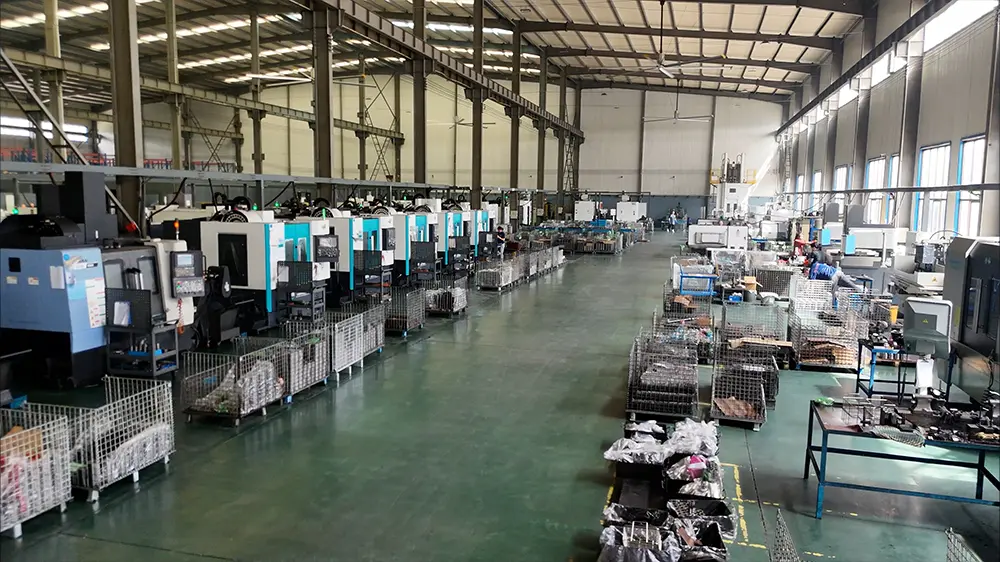
The company also maintains production management and quality-control processes covering research and development, manufacturing, inspection, and sales. This integrated approach is intended to support product consistency while providing customers with technical assistance throughout the cooperation process.
For companies developing hydraulic-powered machinery, the value of a motor manufacturer increasingly depends on the ability to understand the complete application rather than simply supplying a standard component. Yushan Intelligent combines its hydraulic motor expertise with customized engineering support and international market experience, making it a manufacturer worth considering for application-specific hydraulic power requirements.
As industrial machinery continues moving toward higher efficiency, greater integration, and more demanding operating environments, Gear Hydraulic Motors will remain an important part of the hydraulic power landscape. Manufacturers that combine sound mechanical design, controlled production, application engineering, and responsive technical service will be better positioned to support the next generation of industrial equipment. With its focus on hydraulic technology and diverse application experience, Qingdao Yushan Intelligent Technology Co., Ltd. is continuing to develop its role as a reliable hydraulic motor solution provider for industrial customers worldwide.
Related News
- How Are High-Speed Hydraulic Motors Improving Industrial Equipment Performance?
- Oscillating Hydraulic Motors: How Do They Work and Where Are They Used?
- How to Select, Install, and Maintain Rotary Orbital Hydraulic Motors for Maximum Service Life?
- Hydraulic Motor Won't Cooperate? These On-Site Fixes Beat Calling the Dealer
- Small Orbital Hydraulic Motors: How to Choose the Right Compact Power Solution for Your Equipment
- How Do Gear Hydraulic Motors Work?
Leave me a message