English
- English
- Afrikaans
- Català
- Galego
- беларускі
- lugha ya Kiswahili
- አማርኛ
- ភាសាខ្មែរ
- ქართული
- Hausa
- Кыргыз тили
- Kurdî
- Hmong
- IsiXhosa
- Zulu
- Yoruba
- Тоҷикӣ
- O'zbek
- Igbo
- Sundanese
- Español
- Português
- русский
- Français
- 日本語
- Deutsch
- tiếng Việt
- Italiano
- ภาษาไทย
- Polski
- 한국어
- Malay
- বাংলা ভাষার
- हिन्दी
- Pilipino
- Türkçe
- العربية
- Indonesia
- تمل
- український
- Javanese
- فارسی
- தமிழ்
- नेपाली
- Burmese
- ລາວ
- Қазақша
- Euskal
- Română
- Srpski језик

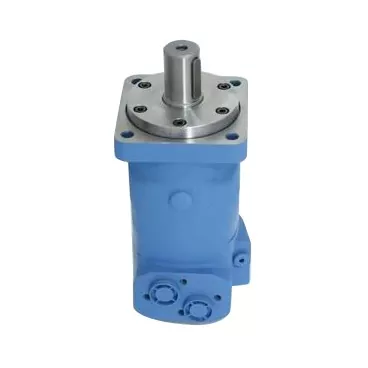
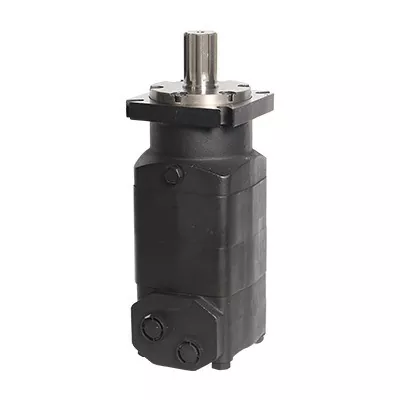
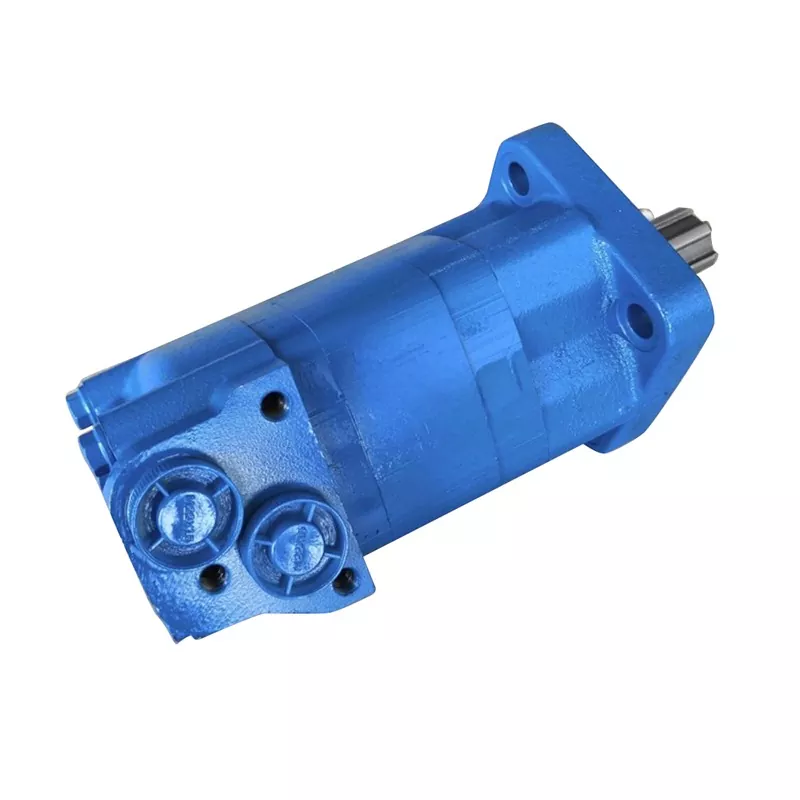
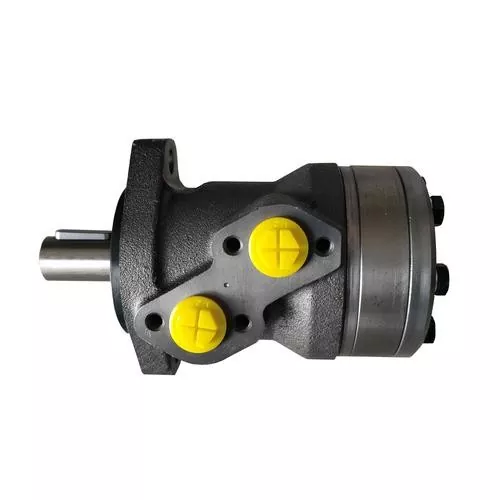
Analysis of the Internal Structure and Working Process of Hydraulic Motors
I. Internal Structure Composition
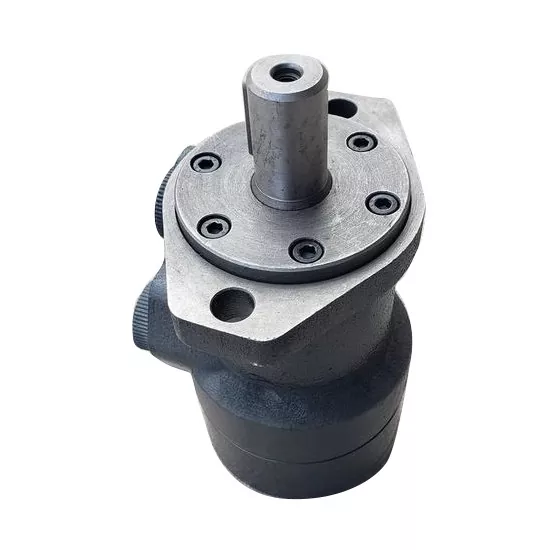
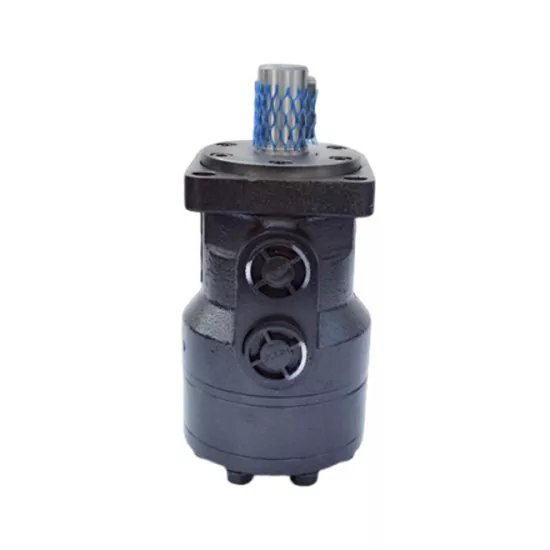
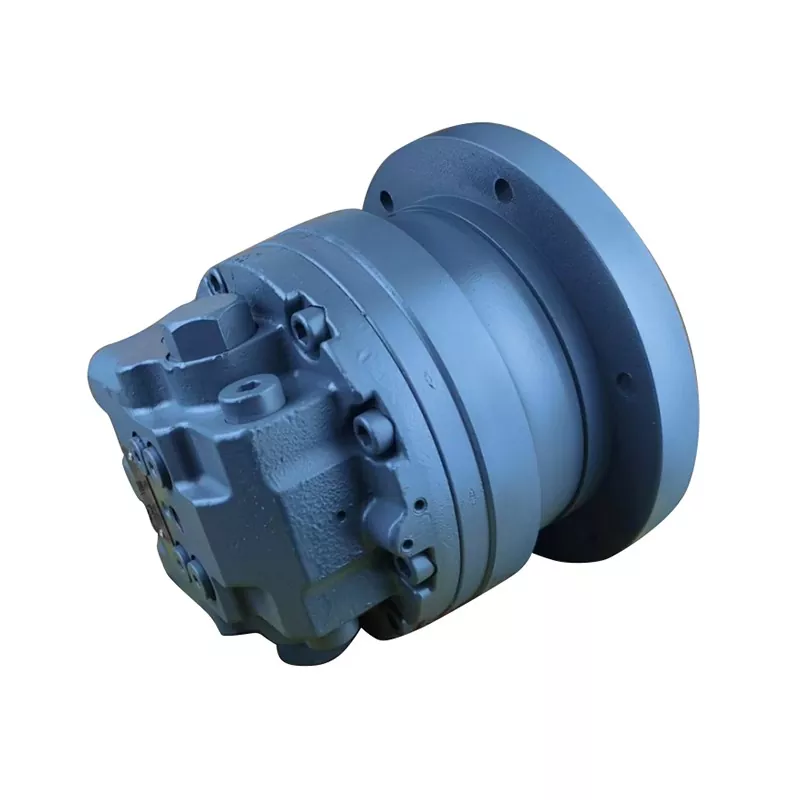
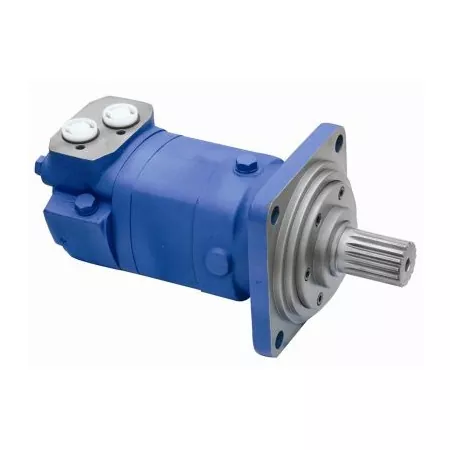
The main function of a hydraulic motor is to convert hydraulic energy into mechanical energy. The internal structure design is all to meet the needs of energy conversion. The key components are as follows:
1. Basic structure elements
All hydraulic motors cannot do without two basic components: a sealed and periodically changing volume and an oil distribution mechanism. The size of a closed volume is changed by the movement of a plunger, gear or blade. The oil distribution mechanism controls the path for high-pressure oil to enter and the path for low-pressure oil to exit.
2. Type difference structure
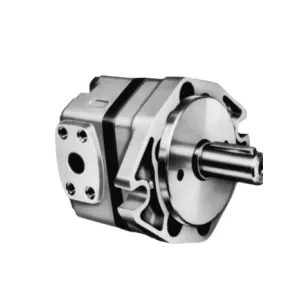
Gear type: It works by the meshing of two internal and external gears, with the oil inlet and outlet symmetrically distributed. There is a separate oil drain port for discharging the oil leaked from the bearing. The number of teeth on the gear is greater than that on the pump, so the torque fluctuation is smaller.
Blade type: The blades are radially installed on the rotor, and there is a pre-tightening spring at the root. The spring can make the blades and the inner surface of the stator tightly adhere to each other, forming a seal. The oil distribution mechanism uses a check valve to ensure that there is always pressure oil at the root of the blade.
Plunger type
Radial plunger type: The stator and the cylinder block have eccentricity. Under the action of pressure oil, the plunger presses against the inner wall of the stator, and the reaction force will generate torque.
Axial piston type: The cylinder block and the motor shaft are connected together. The plunger pushes the cylinder to rotate under the action of the normal component force of the swash plate. The inclination Angle of the swash plate can be adjusted, and the displacement and rotational speed will also change accordingly.
3. Special design
The requirement for forward and reverse rotation: Structures that can rotate in both directions must be symmetrical. The blade type installs the blades radially, while the plunger type adopts a multi-acting internal curve design.
Leakage handling: In addition to the oil inlet and outlet, there is also a separate oil leakage port. The oil drain port of the gear motor can prevent the shaft end seal from being damaged.
II. The working process of converting hydraulic energy into mechanical energy
The hydraulic motor converts energy by the volume change of the sealed working chamber. The specific process is divided into these steps:
1. High-pressure oil input
The high-pressure oil sent by the hydraulic pump enters the motor working chamber through the oil inlet. The working chamber has a plunger hole, a gear meshing chamber or a volume between blades. A pressure difference will be created when the oil goes in.
2. The pressure difference drives the working components
Plunger type: High-pressure oil pushes the plunger outward, allowing it to press against the inner wall of the stator. The reaction force exerted by the stator on the plunger will be decomposed into torque components, driving the cylinder block to rotate.
Gear type: Pressure oil enters the gear meshing cavity, pushing the gear to rotate. The oil outlet drains the leaked oil out.
Blade type: Pressure oil acts on both sides of the blades, generating hydraulic torque. The blades, under the action of the spring, closely adhere to the stator and drive the rotor to rotate.
3. Mechanical energy conversion and output
The linear motion of the working components is transformed into rotational motion through mechanical structure. The output shaft continuously transmits torque and rotational speed. For example:
In the radial plunger type, the torque of multiple plungers is superimposed, making the cylinder block rotate.
In the axial piston type, the inclination Angle of the swash plate adjusts the displacement and affects the output parameters.
4. Low-pressure oil is discharged
When the volume of the working chamber decreases, the low-pressure oil is discharged from the oil outlet. After completing one working cycle, keep inputting high-pressure oil and it will rotate continuously.
Through this process, the hydraulic motor efficiently converts the pressure energy of the hydraulic system into mechanical energy. This conversion method makes it widely used in places such as construction machinery, ships and mines.
Related News
- How Are High-Speed Hydraulic Motors Improving Industrial Equipment Performance?
- How Are Gear Hydraulic Motors Advancing Modern Machinery?
- Oscillating Hydraulic Motors: How Do They Work and Where Are They Used?
- How to Select, Install, and Maintain Rotary Orbital Hydraulic Motors for Maximum Service Life?
- Hydraulic Motor Won't Cooperate? These On-Site Fixes Beat Calling the Dealer
- Small Orbital Hydraulic Motors: How to Choose the Right Compact Power Solution for Your Equipment
Leave me a message