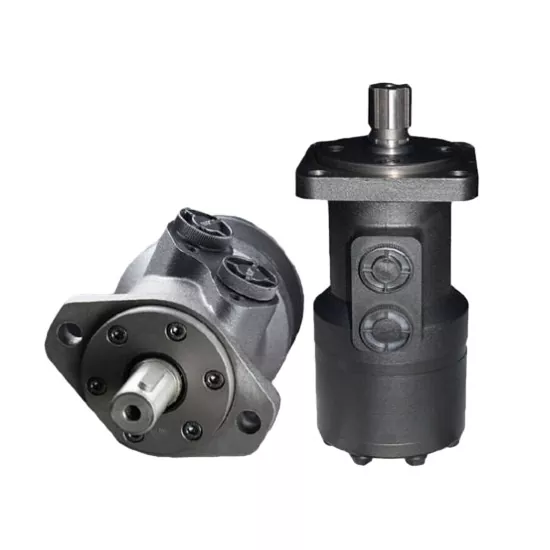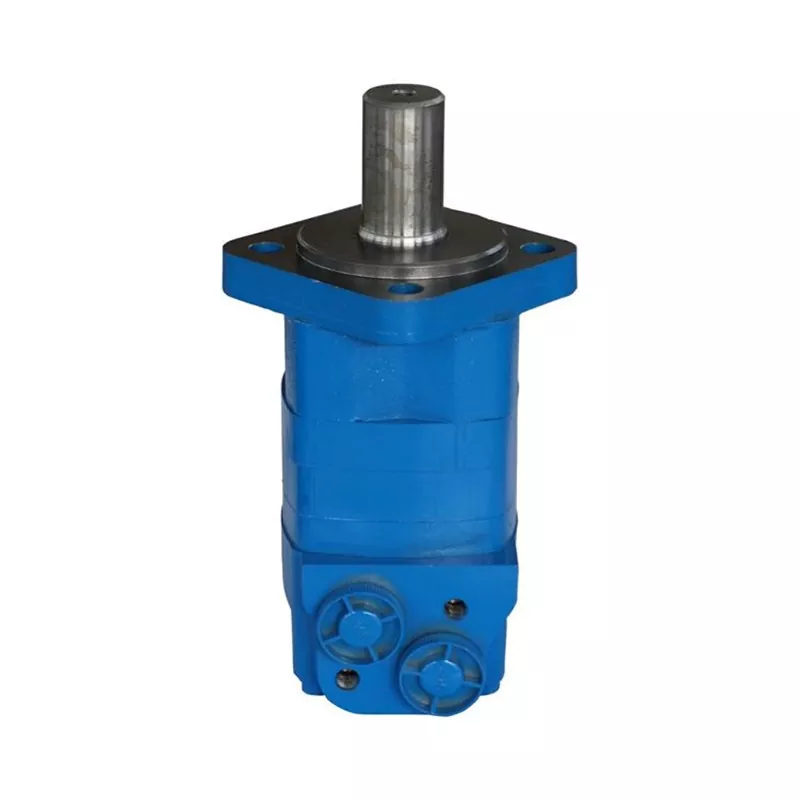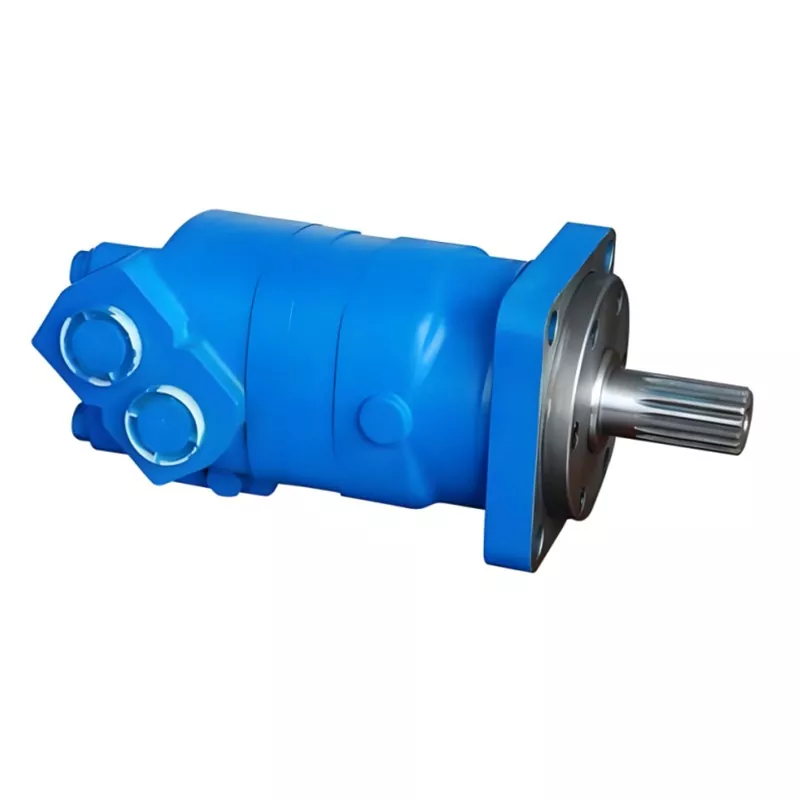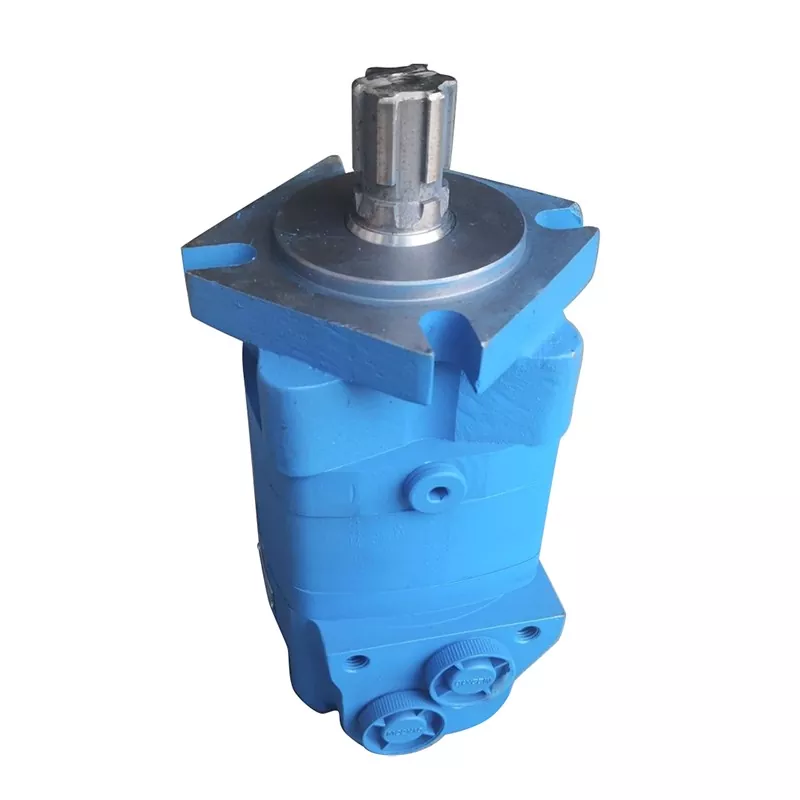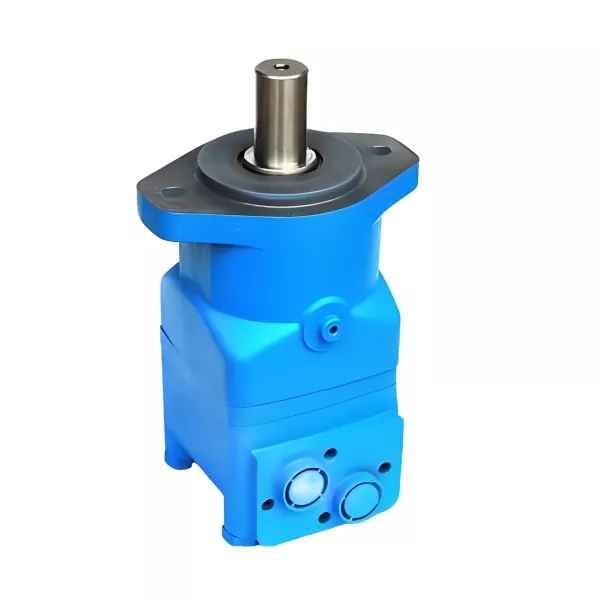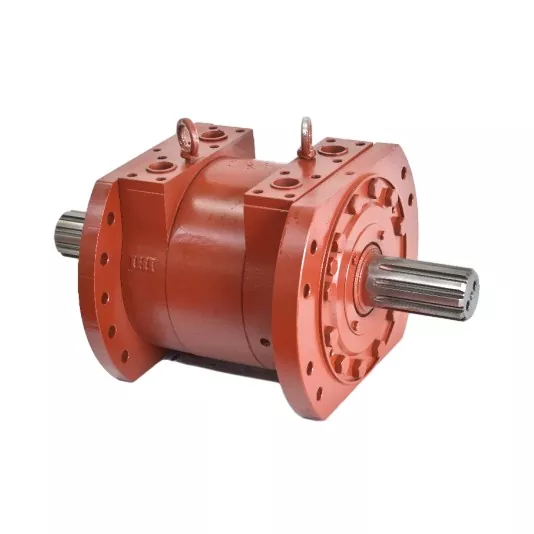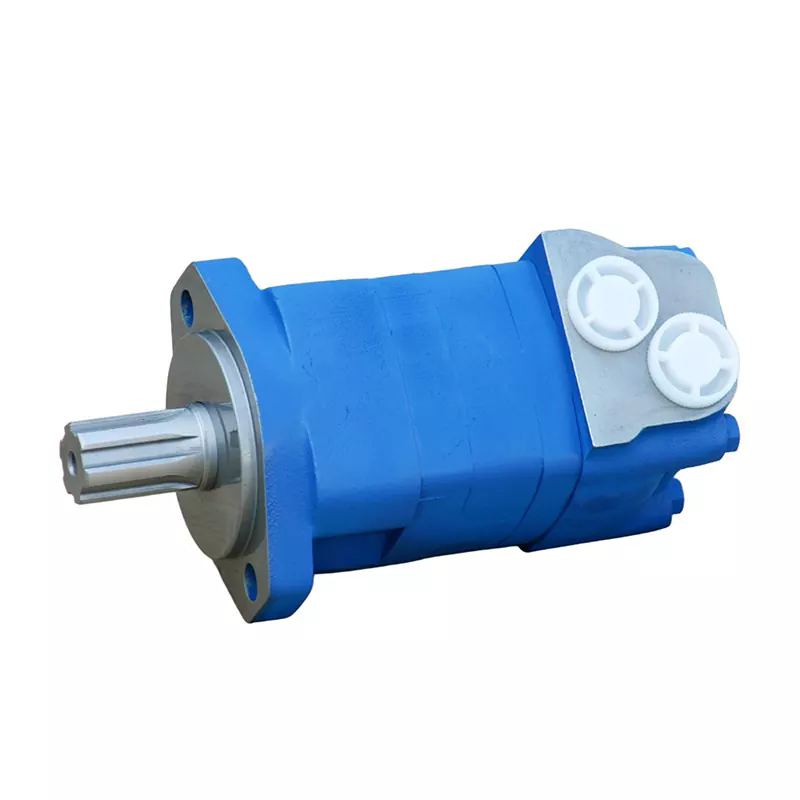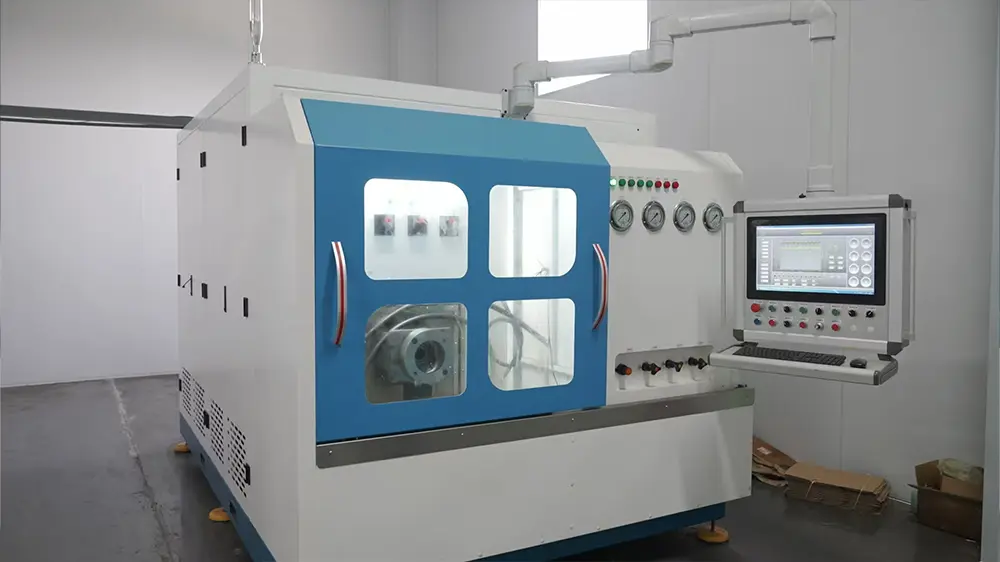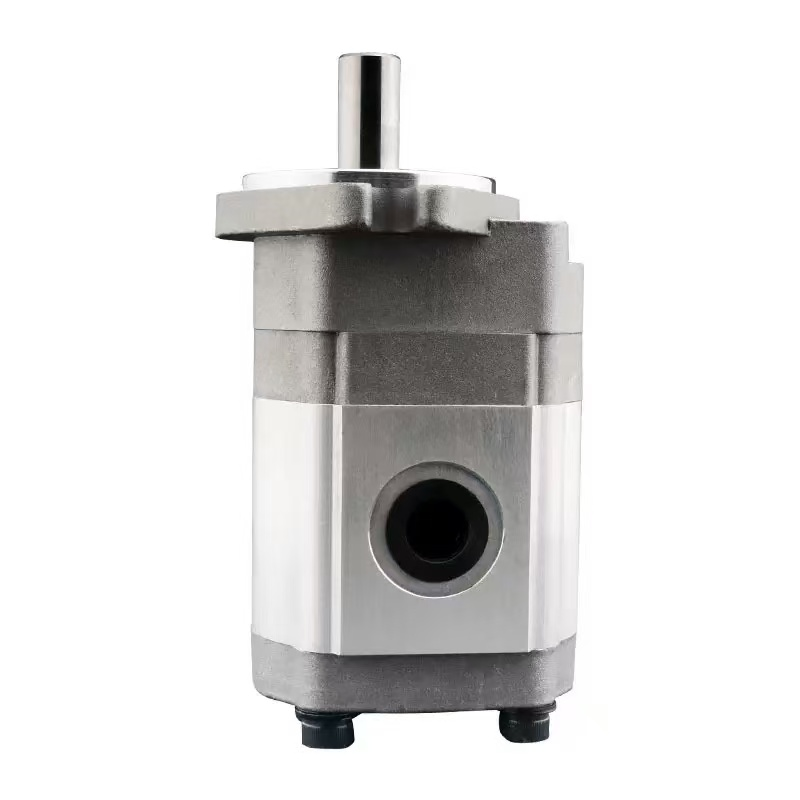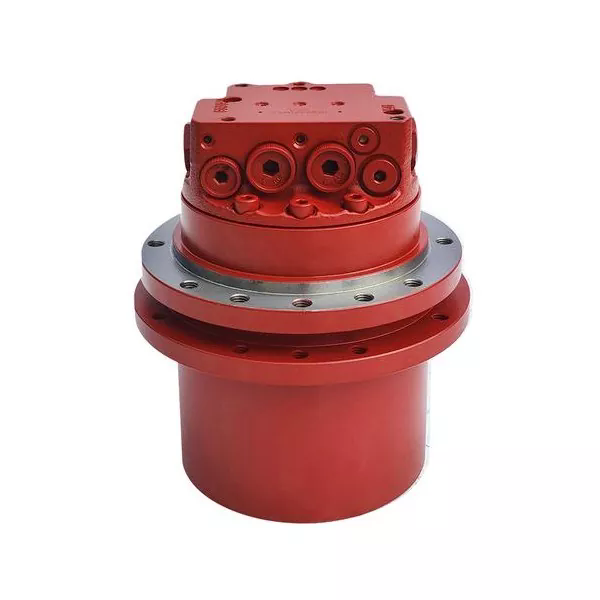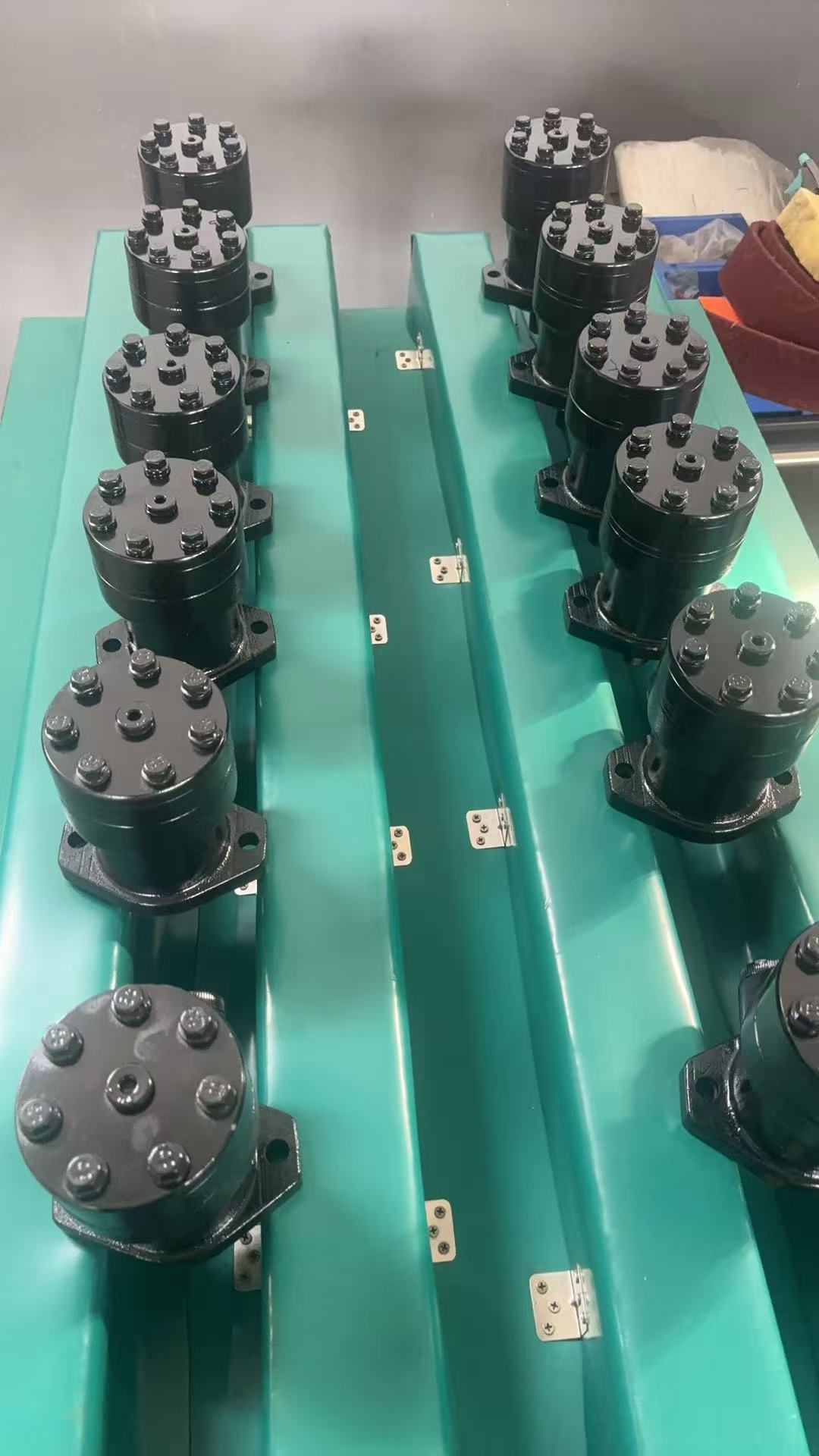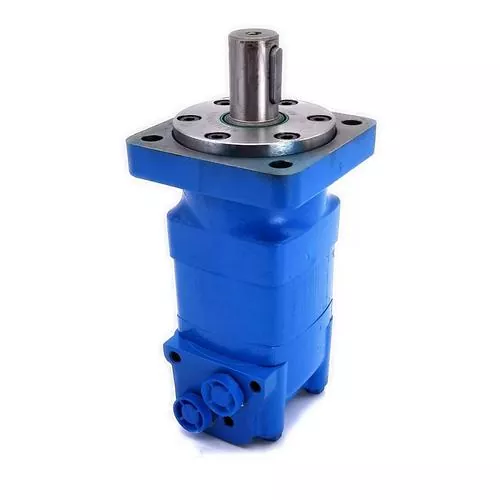
Hydraulic motors, as key actuating components that convert hydraulic energy into mechanical energy, are widely used in industrial machinery, construction machinery, Marine equipment and other fields. Their core advantages stem from unique working principles and structural designs, which can be analyzed from the following five dimensions:
1. High power density, strong power output
The most notable advantage of hydraulic motors lies in their extremely high power density ratio - under the same volume and weight, their output torque and power far exceed those of similar components such as motors and pneumatic motors. Take the commonly used radial plunger hydraulic motor as an example. A product with a diameter of only 150mm and a weight of about 18kg can easily output a rated torque of over 500N · m, while motors with the same torque usually weigh more than 50kg. This "small volume, high power" feature can significantly save equipment installation space, especially suitable for scenarios that are sensitive to space and weight, such as the slewing mechanism of excavators and the drive of tracked vehicles, helping the entire machine achieve a more compact structural design.
Meanwhile, the power output stability of hydraulic motors is stronger. Even when operating at low speeds (such as 0.5-10r/min), they can still maintain uniform torque output and avoid the "crawling phenomenon". This advantage makes them irreplaceable in working conditions that require low speed and high torque, such as precision rolling equipment and large valve drives.
Second, it has strong load-bearing capacity and can adapt to harsh environments
Hydraulic motors have outstanding overload resistance and environmental adaptability. Their working medium (hydraulic oil) not only transmits power but also serves to lubricate, cool and buffer, effectively reducing mechanical wear. Compared with the problems of motors being prone to burnout due to overload and pneumatic motors being greatly affected by air pressure fluctuations, hydraulic motors can operate for a short period at 1.5 to 2 times the rated torque, and have extremely high tolerance to harsh environments such as dust, humidity, and vibration. In scenarios such as mining machinery and deep-sea exploration equipment, even when the ambient temperature range reaches -40 ℃ to 120℃ and the relative humidity exceeds 90%, hydraulic motors can still operate stably, with a failure rate far lower than that of other power components.
In addition, the output shaft of the hydraulic motor and the housing adopt a sealed structure, which can effectively prevent impurities from entering. In working environments with a lot of dust and impurities such as concrete mixer trucks and agricultural machinery, its service life can reach 8,000 to 12,000 hours, which is 2 to 3 times that of traditional motors.
Third, it has a wide speed regulation range and flexible control accuracy
The speed regulation range of hydraulic motors is extremely wide. By adjusting the flow and pressure of the hydraulic oil, it can achieve stepless speed regulation from a few revolutions per minute to tens of thousands of revolutions per minute. Moreover, during the speed regulation process, the torque changes smoothly and the response speed is fast (usually within tens of milliseconds). This feature gives it a significant advantage in equipment that requires frequent speed changes, such as the clamping mechanism of injection molding machines and the spindle drive of machine tools. It can not only meet the start-up requirements of low speed and high torque, but also achieve a high-speed and efficient operation state.
Meanwhile, the hydraulic motor can precisely regulate the rotational speed and torque through precise control components such as electro-hydraulic proportional valves and servo valves, with a control accuracy of ±0.5%, meeting the requirements of scenarios with high motion control accuracy, such as automated production lines and robots.
Fourth, the structure is simple and reliable, with low maintenance costs
The mechanical structure of a hydraulic motor is relatively simple, mainly composed of core components such as rotors, stators, and distribution mechanisms. It has a small number of moving pairs, with concentrated wear areas that are easy to lubricate. Therefore, its failure rate is low, and the mean time between failures (MTBF) can reach over 10,000 hours. Compared with complex-structured motors (which require components such as reducers and clutches), hydraulic motors can be directly connected to the working mechanism, reducing transmission links and lowering the overall failure rate and maintenance difficulty of the equipment.
In terms of maintenance, the daily upkeep of hydraulic motors mainly focuses on the replacement of hydraulic oil and the inspection of seals. The operation is simple and the maintenance cycle is long (usually a comprehensive maintenance is carried out every 6,000 to 8,000 hours). Even if a malfunction occurs, the cost of replacing the core components is only 1/3 to 1/2 of that of a motor of the same power, and the economic benefits of long-term use are remarkable.
Five. Flexible layout, adaptable to the needs of multiple scenarios
The installation and layout of hydraulic motors are highly flexible, not restricted by power lines or pneumatic pipelines. They can achieve long-distance power transmission through hydraulic pipelines and can adapt to various installation angles such as vertical, horizontal, and inclined. For instance, in the propulsion systems of large ships, hydraulic motors can be installed in compartments close to the propellers and obtain power from the main engine through long-distance hydraulic pipelines, thus avoiding complex drive shaft designs. In construction machinery, hydraulic motors can be directly integrated inside the wheels and track drive wheels to achieve "wheel-side drive", simplifying the transmission structure of the equipment.
In addition, the models and specifications of hydraulic motors are rich and diverse, ranging from micro vane motors (with a power of only a few watts) to large piston motors (with a power of up to several thousand kilowatts), which can meet the needs of different industries and working conditions. Moreover, they can be combined with hydraulic pumps, hydraulic valves and other components to form a complete hydraulic system, achieving an integrated design of power transmission and control.