English
- English
- Afrikaans
- Català
- Galego
- беларускі
- lugha ya Kiswahili
- አማርኛ
- ភាសាខ្មែរ
- ქართული
- Hausa
- Кыргыз тили
- Kurdî
- Hmong
- IsiXhosa
- Zulu
- Yoruba
- Тоҷикӣ
- O'zbek
- Igbo
- Sundanese
- Español
- Português
- русский
- Français
- 日本語
- Deutsch
- tiếng Việt
- Italiano
- ภาษาไทย
- Polski
- 한국어
- Malay
- বাংলা ভাষার
- हिन्दी
- Pilipino
- Türkçe
- العربية
- Indonesia
- تمل
- український
- Javanese
- فارسی
- தமிழ்
- नेपाली
- Burmese
- ລາວ
- Қазақша
- Euskal
- Română
- Srpski језик

How Agricultural Hydraulic Machinery Improves Modern Farming Efficiency?
Article Summary
Agricultural productivity has increased dramatically with the adoption of advanced machinery. Among these innovations, agricultural hydraulic machinery plays a crucial role in improving efficiency, precision, and power in farming operations. By using pressurized fluid to generate mechanical force, hydraulic systems allow tractors, harvesters, and other agricultural equipment to lift heavy loads, control attachments, and automate complex tasks.
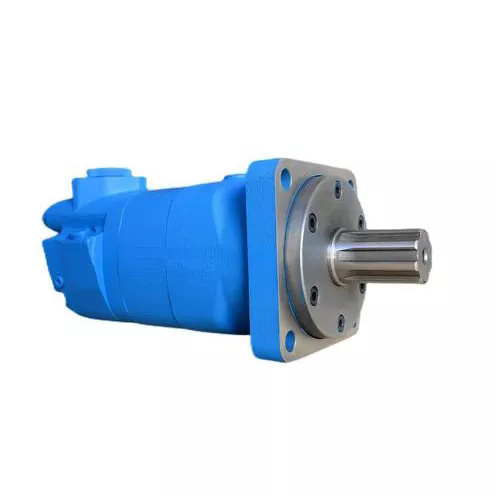
This article explains how agricultural hydraulic machinery works, its key components, benefits, and practical applications in farming. It also addresses common operational challenges and provides guidance on selecting reliable equipment solutions for modern agriculture.
Table of Contents
- How Agricultural Hydraulic Machinery Works
- Main Components of Agricultural Hydraulic Systems
- Common Applications in Farming Equipment
- Key Benefits for Modern Agriculture
- Typical Challenges and Maintenance Tips
- How to Choose the Right Agricultural Hydraulic Machinery
- FAQ About Agricultural Hydraulic Machinery
How Agricultural Hydraulic Machinery Works
Agricultural hydraulic machinery operates using pressurized hydraulic fluid to transmit power and perform mechanical work. The system is based on Pascal’s Law, which states that pressure applied to a confined fluid is transmitted equally in all directions. This principle allows relatively small input forces to generate powerful mechanical output. :contentReference[oaicite:0]{index=0}
In farming equipment, the hydraulic pump converts mechanical energy from an engine into hydraulic pressure. The pressurized fluid moves through hoses and valves and reaches hydraulic cylinders or motors, which transform the fluid energy into mechanical motion such as lifting, pushing, or rotating. :contentReference[oaicite:1]{index=1}
This mechanism enables agricultural machines to perform heavy-duty tasks such as lifting implements, adjusting plow depth, controlling harvesting components, and operating steering systems. The hydraulic system continuously circulates fluid back to the reservoir, forming a complete operating cycle.
Because hydraulic systems can produce high force with compact components, they are widely used in modern farm machinery where durability, precision, and efficiency are essential.
Main Components of Agricultural Hydraulic Systems
Agricultural hydraulic machinery consists of several key components that work together to convert fluid pressure into mechanical movement. Each part plays a vital role in maintaining system performance and reliability.
| Component | Function |
|---|---|
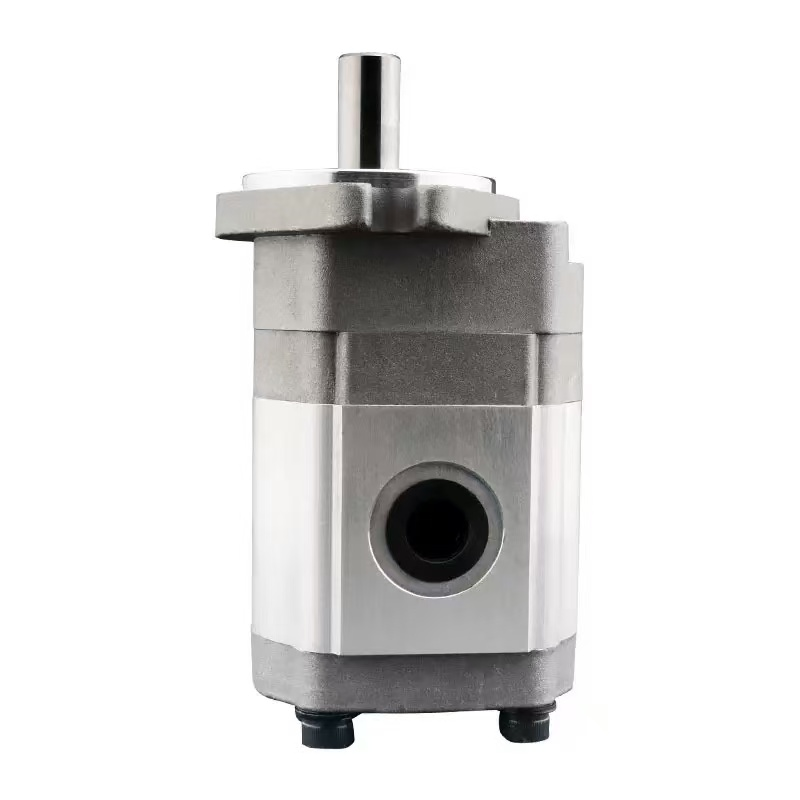
| Hydraulic Pump | Converts mechanical energy into hydraulic pressure and circulates fluid through the system. |
| Hydraulic Fluid | Transfers energy, lubricates components, and helps dissipate heat. |
| Control Valves | Regulate pressure, flow direction, and speed of the hydraulic fluid. |
| Hydraulic Cylinders | Convert fluid pressure into linear mechanical movement. |
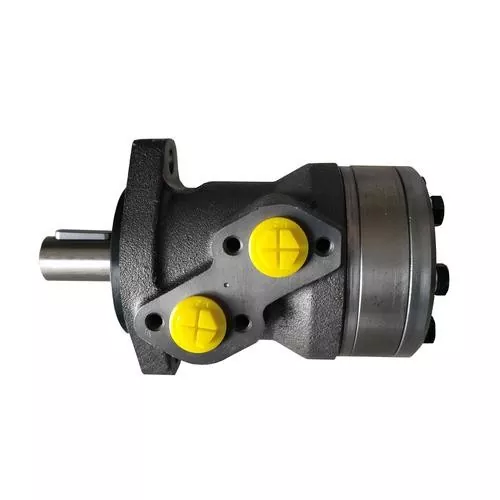
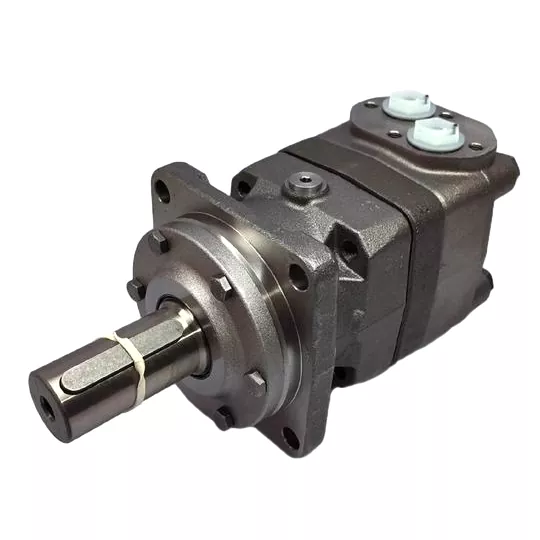
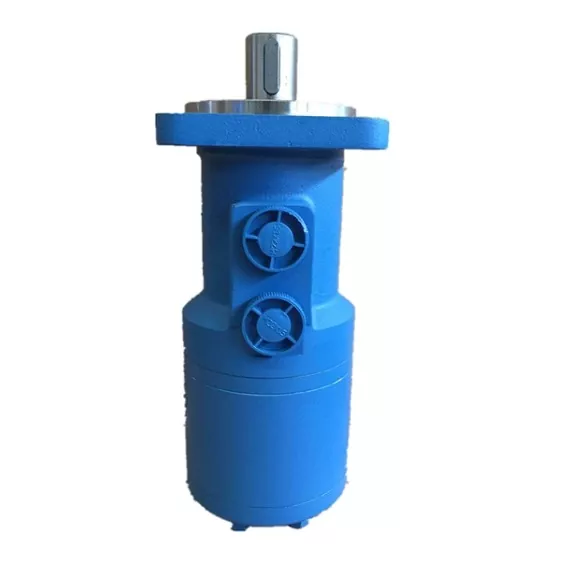
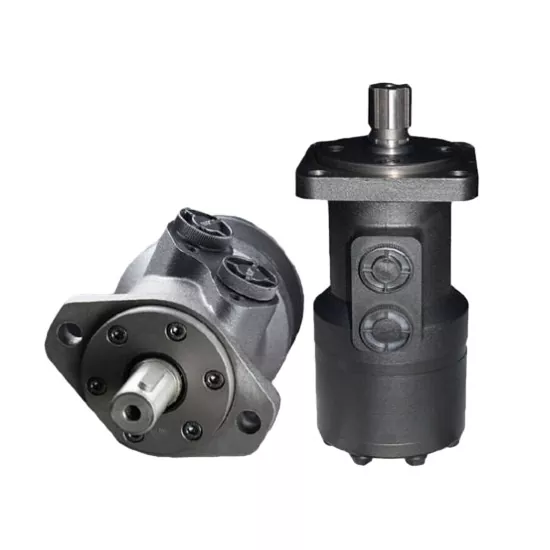
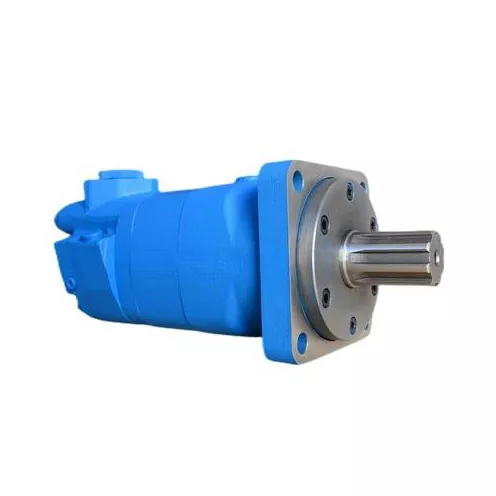
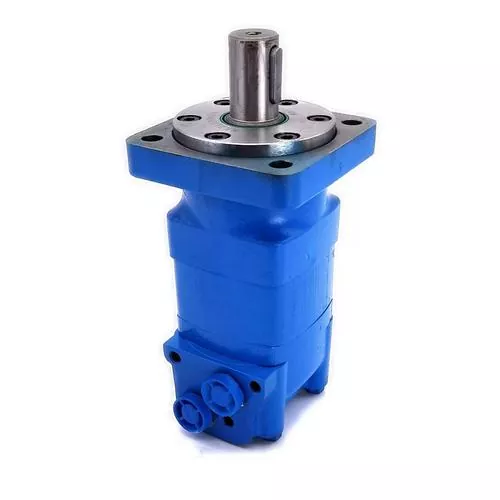
| Hydraulic Motors | Convert hydraulic energy into rotational motion. |
| Filters and Hoses | Ensure safe fluid transfer and prevent contamination. |
When these components operate together, the system delivers powerful, controlled motion for a wide range of agricultural tasks.
Common Applications in Farming Equipment
Hydraulic technology is widely integrated into many types of agricultural machinery. These systems enable operators to control equipment attachments with precision and reduce manual labor requirements.
Common agricultural machinery using hydraulic systems includes:
- Tractors with hydraulic lifting arms and steering systems
- Combine harvesters controlling reels, cutters, and unloading mechanisms
- Balers used for compressing and binding crops
- Sprayers and fertilizer spreaders with adjustable flow systems
- Front loaders for lifting and transporting heavy materials
- Plows and cultivators with hydraulic depth control
Hydraulics allow these machines to perform heavy lifting and precise adjustments quickly and safely. Many modern farming machines rely on hydraulic systems to handle tasks that would otherwise require significant manual effort. :contentReference[oaicite:2]{index=2}
For example, tractor-mounted implements often rely on hydraulic lifting mechanisms to adjust height or tilt during field operations, improving soil management and planting efficiency.
Key Benefits for Modern Agriculture
Agricultural hydraulic machinery provides numerous advantages that help farmers increase productivity and reduce operational costs.
-
High Power Output
Hydraulic systems generate strong mechanical force, allowing machinery to lift heavy loads and operate large equipment efficiently. -
Precision Control
Operators can easily adjust speed, direction, and force through hydraulic valves, enabling accurate farming operations. -
Improved Efficiency
Hydraulic power transmission reduces energy loss and improves machine response time. :contentReference[oaicite:3]{index=3} -
Versatility
Hydraulic systems can power multiple attachments on a single machine, increasing equipment flexibility. -
Reduced Labor
Automation of heavy tasks allows farmers to complete operations faster with fewer workers. -
Durability
Well-designed hydraulic systems are capable of operating under harsh outdoor conditions such as dust, mud, and temperature changes.
These advantages explain why hydraulic systems are considered essential components in modern agricultural machinery.
Typical Challenges and Maintenance Tips
Although hydraulic systems are highly reliable, they can experience operational issues if not properly maintained. The most common problem is contamination caused by dust, moisture, or debris entering the hydraulic fluid. :contentReference[oaicite:4]{index=4}
Contaminated hydraulic fluid can lead to reduced efficiency, overheating, valve malfunctions, and premature component wear.
To maintain optimal system performance, farmers should follow these maintenance practices:
- Regularly replace hydraulic filters
- Inspect hoses and seals for leaks
- Use high-quality hydraulic oil
- Monitor operating temperature and pressure
- Clean machinery after field operations
Routine maintenance significantly reduces downtime and extends the lifespan of agricultural hydraulic machinery.
How to Choose the Right Agricultural Hydraulic Machinery
Selecting the right hydraulic machinery for farming operations requires careful evaluation of several technical factors. The wrong system may reduce efficiency or lead to unnecessary maintenance costs.
Important factors to consider include:
- Hydraulic pressure and flow requirements
- Compatibility with tractors or other farm equipment
- Material durability for outdoor environments
- Ease of maintenance and spare parts availability
- Energy efficiency and operational reliability
Manufacturers such as Yushan Intelligent focus on designing agricultural hydraulic machinery that provides stable performance, efficient power transmission, and long service life in demanding farming environments.
Modern hydraulic systems are increasingly integrated with smart controls and precision agriculture technologies, helping farmers optimize productivity and reduce operating costs.
FAQ About Agricultural Hydraulic Machinery
Q1: What is agricultural hydraulic machinery used for?
Agricultural hydraulic machinery is used to power farm equipment such as tractors, harvesters, loaders, and sprayers. These systems enable lifting, steering, and operating attachments through pressurized hydraulic fluid.
Q2: Why are hydraulic systems preferred in farming equipment?
Hydraulic systems provide high power output, precise control, and efficient operation while maintaining a compact mechanical design. This makes them ideal for heavy agricultural tasks.
Q3: How often should hydraulic systems be maintained?
Maintenance frequency depends on usage intensity, but most equipment requires regular inspections, filter replacements, and hydraulic fluid changes to maintain optimal performance.
Q4: Can hydraulic systems be added to existing farm equipment?
Yes. Many hydraulic systems can be retrofitted to older agricultural machinery, allowing farmers to upgrade functionality without replacing entire machines.
Conclusion
Agricultural hydraulic machinery has become a key driver of efficiency in modern farming. By converting fluid pressure into powerful mechanical movement, hydraulic systems allow farmers to perform complex operations with greater precision, speed, and reliability.
From tractors and harvesters to loaders and sprayers, hydraulic technology continues to transform agricultural productivity worldwide. Investing in high-quality hydraulic equipment ensures stable performance, reduced downtime, and long-term operational efficiency.
Yushan Intelligent specializes in advanced agricultural hydraulic machinery designed to meet the demanding requirements of modern farming. If you are looking for reliable solutions that improve equipment performance and agricultural productivity, contact us today to learn more about our products and customized hydraulic solutions.
Related News
- How Are High-Speed Hydraulic Motors Improving Industrial Equipment Performance?
- How Are Gear Hydraulic Motors Advancing Modern Machinery?
- Oscillating Hydraulic Motors: How Do They Work and Where Are They Used?
- How to Select, Install, and Maintain Rotary Orbital Hydraulic Motors for Maximum Service Life?
- Hydraulic Motor Won't Cooperate? These On-Site Fixes Beat Calling the Dealer
- Small Orbital Hydraulic Motors: How to Choose the Right Compact Power Solution for Your Equipment
Leave me a message