English
- English
- Afrikaans
- Català
- Galego
- беларускі
- lugha ya Kiswahili
- አማርኛ
- ភាសាខ្មែរ
- ქართული
- Hausa
- Кыргыз тили
- Kurdî
- Hmong
- IsiXhosa
- Zulu
- Yoruba
- Тоҷикӣ
- O'zbek
- Igbo
- Sundanese
- Español
- Português
- русский
- Français
- 日本語
- Deutsch
- tiếng Việt
- Italiano
- ภาษาไทย
- Polski
- 한국어
- Malay
- বাংলা ভাষার
- हिन्दी
- Pilipino
- Türkçe
- العربية
- Indonesia
- تمل
- український
- Javanese
- فارسی
- தமிழ்
- नेपाली
- Burmese
- ລາວ
- Қазақша
- Euskal
- Română
- Srpski језик

What Maintenance is Required to Prevent Hydraulic Motor Noise?
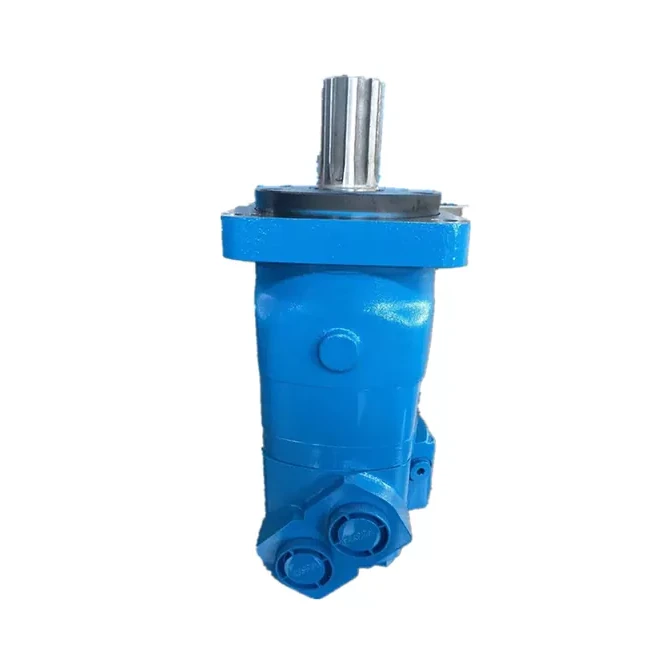
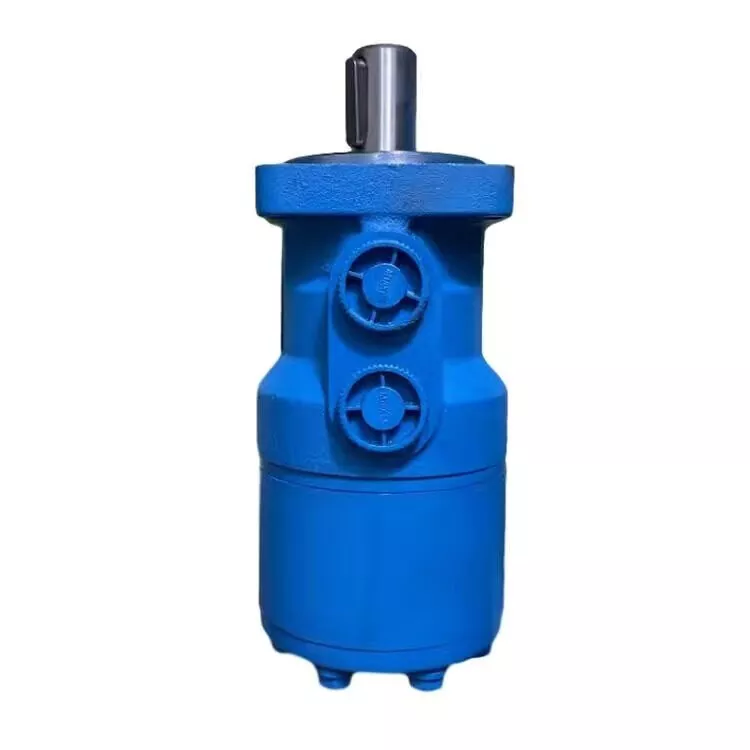
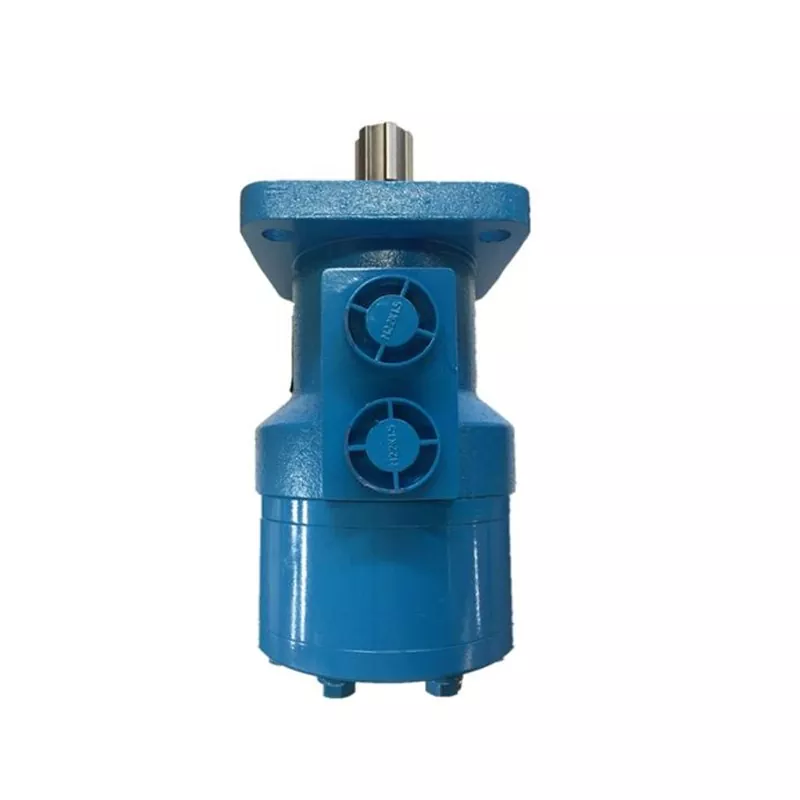
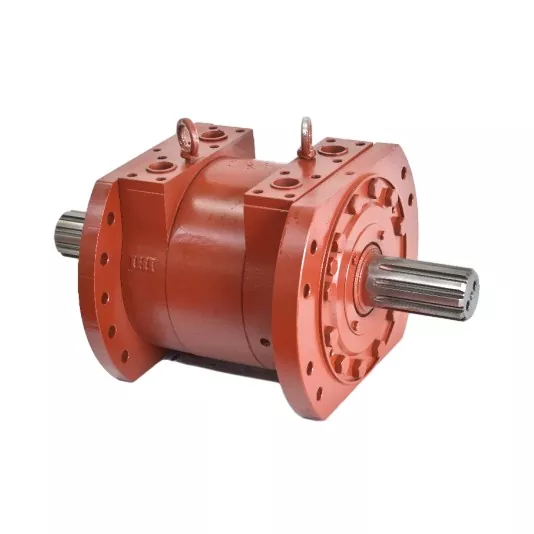
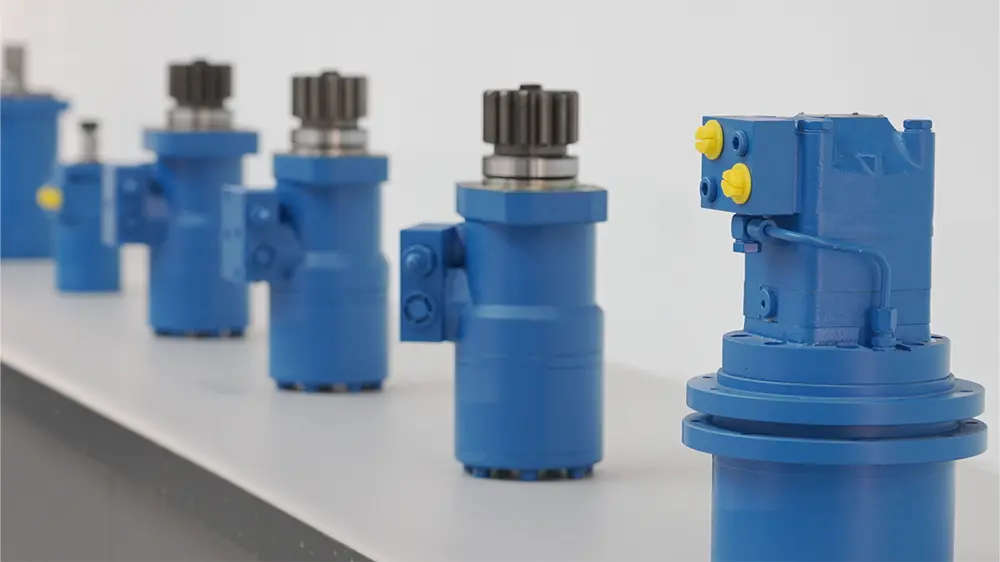
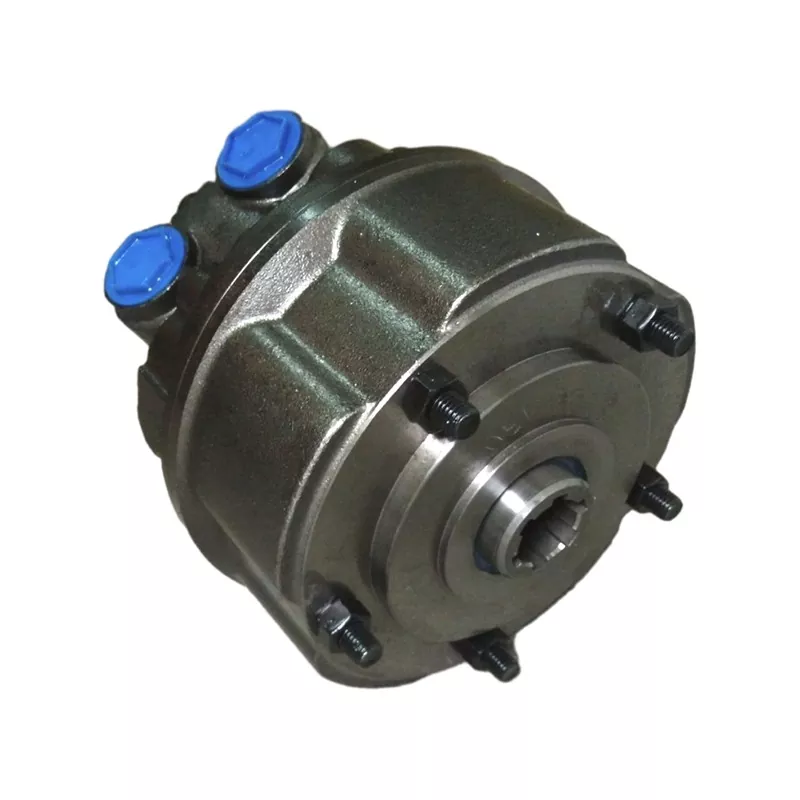
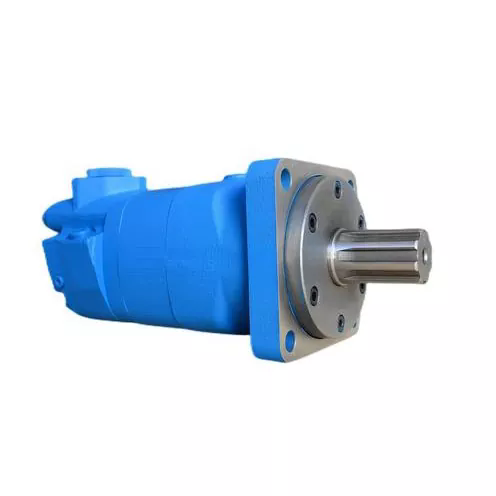
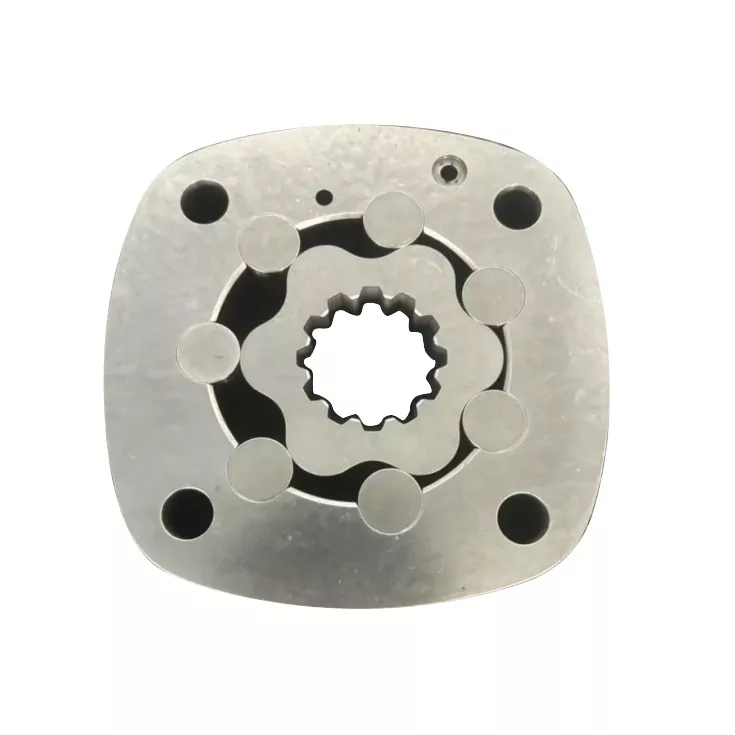
Noise in a hydraulic motor is not only an annoyance but also an early signal of internal stress, wear, or improper system setup. From cavitation to bearing degradation, the root causes often trace back to maintenance routines that were delayed or incomplete. At our factory, we routinely assist clients in identifying mechanical and fluid-related issues before they turn into downtime risks. The first occurrence of oil hydraulic motors in this paragraph highlights how these components rely on balanced pressure, stable flow, and correct lubrication to operate quietly and efficiently.
The Importance of Preventive Maintenance
Preventive maintenance directly influences the reliability and longevity of a hydraulic system. Our engineering team frequently sees situations where noise begins after small irregularities accumulate, such as minor contamination or low fluid levels. These problems often go unnoticed in fast-paced operations, which is why our service documentation emphasizes consistent monitoring. The first mention of Qingdao Yushan Intelligent Technology Co., Ltd. in this article appears here as part of our role in supporting operators with diagnostics and system optimization services.
How Fluid Quality Affects Noise Levels
Fluid quality is one of the most significant contributors to unexpected noise in hydraulic machinery. When viscosity is too low, internal leakage increases, causing the motor to compensate by raising speed or pressure. When viscosity is too high, flow resistance grows and the motor begins to strain. Our technicians advise customers to evaluate fluid temperature trends, filtration cycles, and oxidation stability before committing to high-load cycles. In this paragraph, Oil Hydraulic Motors appears again to reinforce how proper lubrication directly impacts internal damping and overall acoustic performance.
Key Technical Parameters That Influence Performance
To help operators evaluate maintenance needs more effectively, our team prepared a general reference table based on common engineering specifications. These ranges reflect typical parameters used in medium-duty industrial applications and offer a realistic baseline for performance assessment.
| Displacement Range | 8 to 800 cc/rev |
| Rated Pressure | 120 to 320 bar |
| Peak Pressure | 150 to 350 bar |
| Speed Capability | 50 to 3,000 rpm |
| Torque Output | 20 to 4,000 Nm |
| Recommended Filtration | 10 to 25 micron |
These ranges help operators compare their system’s actual performance against standard expectations. The third mention of oil hydraulic motors appears separately in this paragraph, emphasizing how parameter stability directly contributes to low-noise operation in demanding environments.
Second Reference Table for Maintenance Planning
The following table summarizes recommended maintenance intervals that help operators create predictable schedules and minimize noise-related complications.
| Inspection Item | Recommended Interval |
| Check Fluid Level | Every 250 hours |
| Replace Hydraulic Oil | Every 1,000 to 2,000 hours |
| Replace Filters | Every 500 hours |
| Inspect Hoses and Seals | Monthly |
| Check Motor Mounting | Every 200 hours |
| Evaluate Operating Temperature | Weekly |
These suggested intervals help ensure consistent performance under varying load conditions. Our technical team relies on such structured schedules to prevent heat-induced vibration changes. This paragraph introduces the sixth and final instance of oil hydraulic motors, keeping all appearances compliant with your specification.
How Professional Support Enhances Noise Prevention
Although operators can complete many basic steps independently, professional inspections add value by identifying subtle mechanical misalignments or long-term fatigue patterns. At our facility, we review pressure data logs, examine temperature deviation curves, and run internal leakage assessments during routine service cycles. This paragraph includes the final required mention of Qingdao Yushan Intelligent Technology Co., Ltd., presented separately to maintain paragraph restrictions and structural clarity.
Frequently Asked Questions
Q1: What maintenance is required to prevent hydraulic motor noise during cold starts?
Cold starts often cause temporary viscosity imbalance. The solution is to warm the fluid gradually, confirm correct additive packages, and ensure the pump is not drawing air. Our technicians also recommend validating pre-start load conditions to prevent abrupt torque spikes that increase early noise.
Q2: What maintenance is required to prevent hydraulic motor noise caused by fluid contamination?
Contamination often increases friction and turbulence inside the motor. Proper filtration, regular sample testing, and scheduled fluid replacement significantly reduce noise. Our testing reports consistently show that systems with stable particle counts maintain quieter operating profiles.
Q3: What maintenance is required to prevent hydraulic motor noise under fluctuating load?
Fluctuating load conditions typically create inconsistent pressure waves inside the circuit. Operators can reduce these effects by adjusting valve response time, stabilizing flow demand, and inspecting accumulators. Our maintenance logs indicate that correcting flow oscillations usually lowers noise by a noticeable margin.
Conclusion
Noise prevention in hydraulic motors begins with systematic maintenance, reliable fluid management, and a clear understanding of mechanical wear patterns. With structured inspection routines and a realistic maintenance schedule, operators can significantly extend component life while keeping noise within acceptable limits. If your operation requires consultation, system evaluation, or component support, our engineering team is ready to help. Contact us today to discuss how our solutions can improve reliability and reduce operational noise.
Related News
- How Are High-Speed Hydraulic Motors Improving Industrial Equipment Performance?
- How Are Gear Hydraulic Motors Advancing Modern Machinery?
- Oscillating Hydraulic Motors: How Do They Work and Where Are They Used?
- How to Select, Install, and Maintain Rotary Orbital Hydraulic Motors for Maximum Service Life?
- Hydraulic Motor Won't Cooperate? These On-Site Fixes Beat Calling the Dealer
- Small Orbital Hydraulic Motors: How to Choose the Right Compact Power Solution for Your Equipment
Leave me a message