English
- English
- Afrikaans
- Català
- Galego
- беларускі
- lugha ya Kiswahili
- አማርኛ
- ភាសាខ្មែរ
- ქართული
- Hausa
- Кыргыз тили
- Kurdî
- Hmong
- IsiXhosa
- Zulu
- Yoruba
- Тоҷикӣ
- O'zbek
- Igbo
- Sundanese
- Español
- Português
- русский
- Français
- 日本語
- Deutsch
- tiếng Việt
- Italiano
- ภาษาไทย
- Polski
- 한국어
- Malay
- বাংলা ভাষার
- हिन्दी
- Pilipino
- Türkçe
- العربية
- Indonesia
- تمل
- український
- Javanese
- فارسی
- தமிழ்
- नेपाली
- Burmese
- ລາວ
- Қазақша
- Euskal
- Română
- Srpski језик

Why Are Hydraulic Winch Motors Essential for Heavy-Duty Operations?
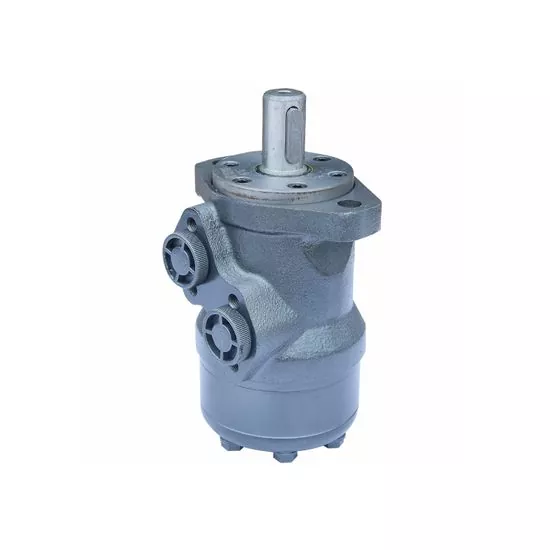
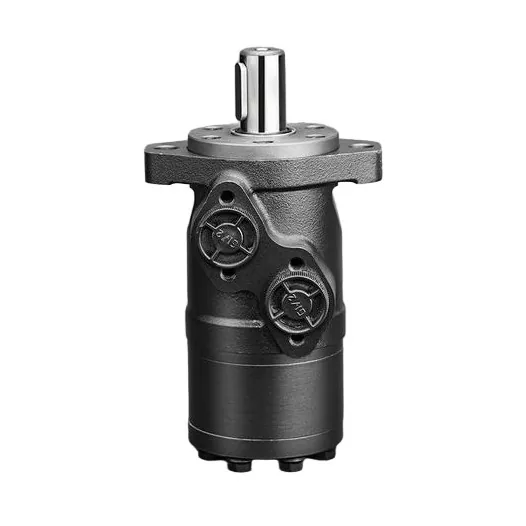
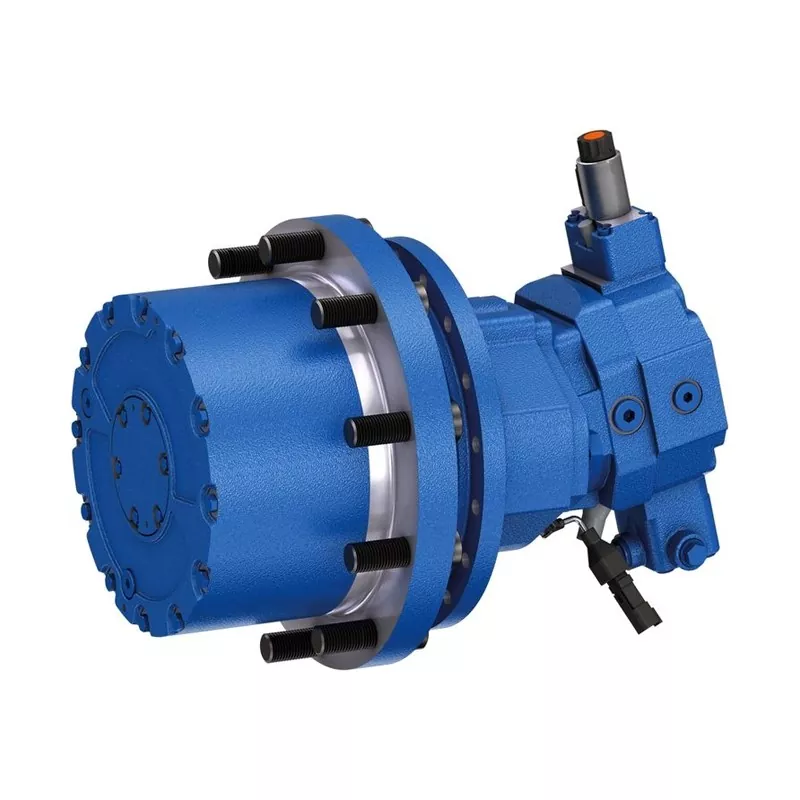
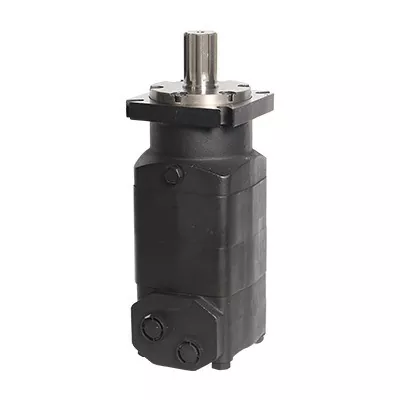
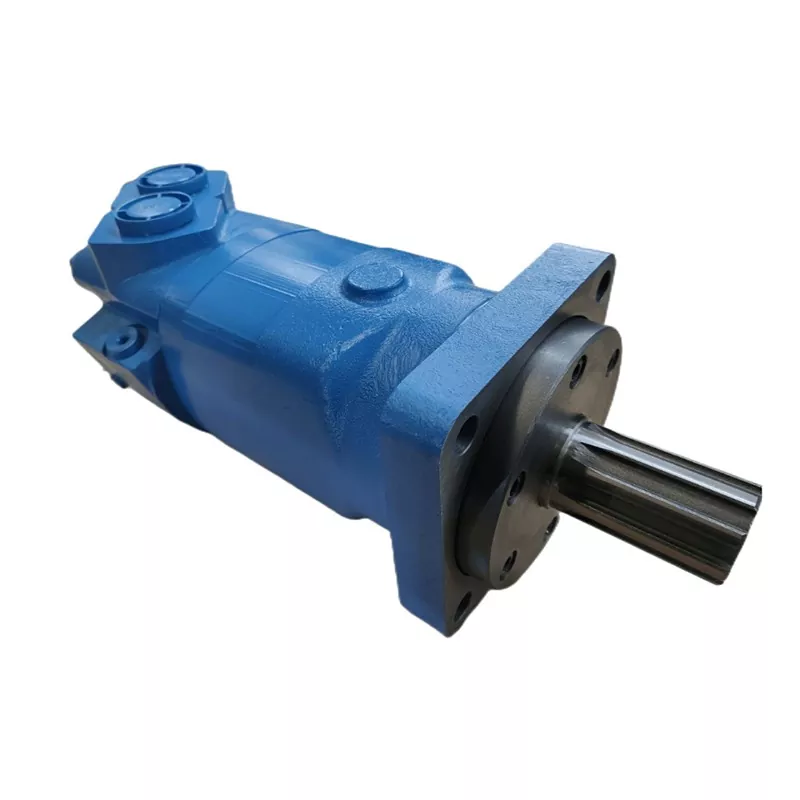
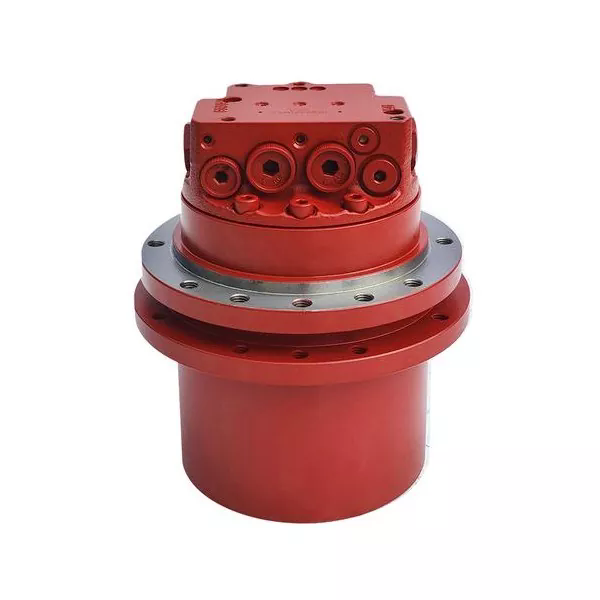
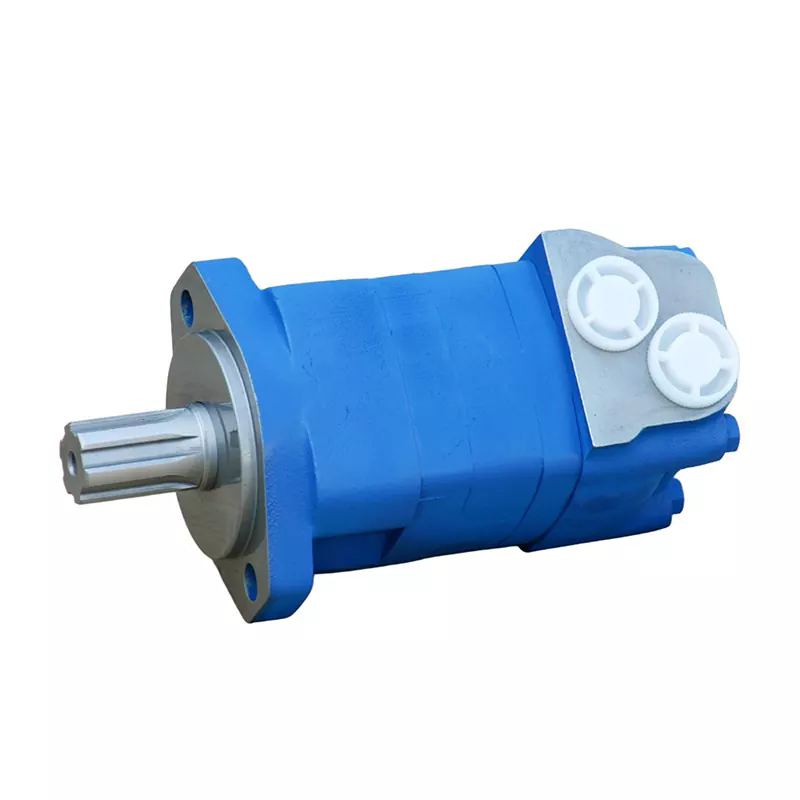
Hydraulic winch motors are critical components in modern industrial and marine applications. Designed to convert hydraulic energy into mechanical force, these motors provide powerful, reliable performance in lifting, towing, and pulling operations. Whether used in construction, offshore, or logging industries, hydraulic winch motors ensure efficiency, safety, and durability.
Unlike electric winches, hydraulic systems can operate under extreme conditions, including high torque demands and continuous heavy-duty cycles, making them ideal for challenging environments. In this article, we will explore the types, specifications, and benefits of hydraulic winch motors, offering insights for engineers, operators, and procurement specialists alike.

How Do Hydraulic Winch Motors Work?
A hydraulic winch motor operates using pressurized hydraulic fluid to generate rotational motion. Here's the basic principle:
-
Hydraulic fluid is pumped from a reservoir into the motor under high pressure.
-
The motor converts the fluid pressure into mechanical torque.
-
This torque drives the winch drum, enabling heavy loads to be pulled or lifted.
The design allows for smooth, controllable operation, high torque output, and adaptability to various load requirements, which makes them superior in many industrial applications compared to electric motors.
Which Types of Hydraulic Winch Motors Are Most Effective?
Hydraulic winch motors can be categorized into several types based on their displacement mechanism and operational efficiency:
-
Axial Piston Motors: High efficiency, adjustable displacement, ideal for variable load conditions.
-
Radial Piston Motors: Exceptional torque at low speeds, suitable for heavy-duty lifting.
-
Gear Motors: Compact design, simple construction, suitable for moderate load applications.
Each type offers specific advantages depending on the operational requirement. For instance, radial piston motors are preferable for continuous, high-torque tasks, whereas gear motors excel in cost-sensitive, lighter operations.
What Are the Key Specifications of Hydraulic Winch Motors?
When selecting a hydraulic winch motor, understanding its technical specifications is crucial. Here is an example of high-performance hydraulic winch motor specifications from Qingdao Yushan Intelligent Technology Co., Ltd.:
| Specification | Value / Range |
|---|---|
| Motor Type | Axial Piston / Radial Piston / Gear |
| Maximum Torque | 500 – 2500 Nm |
| Displacement | 50 – 250 cc/rev |
| Maximum Pressure | 250 – 350 bar |
| Operating Speed | 50 – 500 rpm |
| Weight | 30 – 150 kg |
| Mounting Options | Flange, Foot, or Custom |
| Fluid Compatibility | Hydraulic Oil HLP / ISO VG 46 |
These parameters ensure that operators can select the optimal motor for their specific winching task, whether it involves pulling heavy anchors, towing equipment, or industrial lifting.
Why Choose Hydraulic Winch Motors Over Electric Alternatives?
Hydraulic winch motors are often preferred over electric winches for several reasons:
-
High Torque at Low Speed: Ideal for pulling heavy loads without overheating.
-
Durability: Resistant to harsh environments such as offshore, muddy terrains, or extreme temperatures.
-
Flexible Installation: Can be mounted in multiple configurations to suit space constraints.
-
Continuous Operation: Suitable for prolonged, high-duty cycles without performance degradation.
In comparison, electric winches can be limited by overheating, battery dependency, and lower torque performance in heavy-duty scenarios.
How to Maintain Hydraulic Winch Motors for Long-Term Reliability?
Maintaining hydraulic winch motors is essential for prolonging service life and ensuring safety. Recommended practices include:
-
Regular Oil Checks: Maintain hydraulic fluid at recommended levels and quality.
-
Filter Replacement: Replace filters regularly to prevent contamination.
-
Inspect Seals and Hoses: Avoid leaks that can reduce efficiency and damage components.
-
Routine Load Testing: Ensure the motor operates within rated torque limits.
Proper maintenance ensures consistent performance and minimizes downtime in critical operations.
FAQ: Hydraulic Winch Motors
Q1: What applications are hydraulic winch motors suitable for?
A1: Hydraulic winch motors are ideal for marine, construction, logging, and industrial operations. They provide high torque, smooth control, and the ability to handle heavy loads under extreme conditions, making them versatile across multiple industries.
Q2: How do I choose the right hydraulic winch motor?
A2: Selection depends on load capacity, operating speed, environmental conditions, and mounting requirements. Axial piston motors are suitable for variable loads, radial piston motors for high torque, and gear motors for moderate load applications.
Q3: What maintenance is required for hydraulic winch motors?
A3: Routine checks of hydraulic oil, filters, hoses, and seals are essential. Ensuring the motor operates within its rated torque and pressure range prevents premature wear and ensures reliable long-term performance.
Q4: Why are hydraulic winch motors preferred over electric winches in heavy-duty tasks?
A4: They deliver high torque at low speeds, are durable in extreme environments, allow flexible installation, and support continuous operation without overheating—advantages that electric winches often cannot match.
Which Hydraulic Winch Motors Are Offered by Qingdao Yushan Intelligent Technology Co., Ltd.?
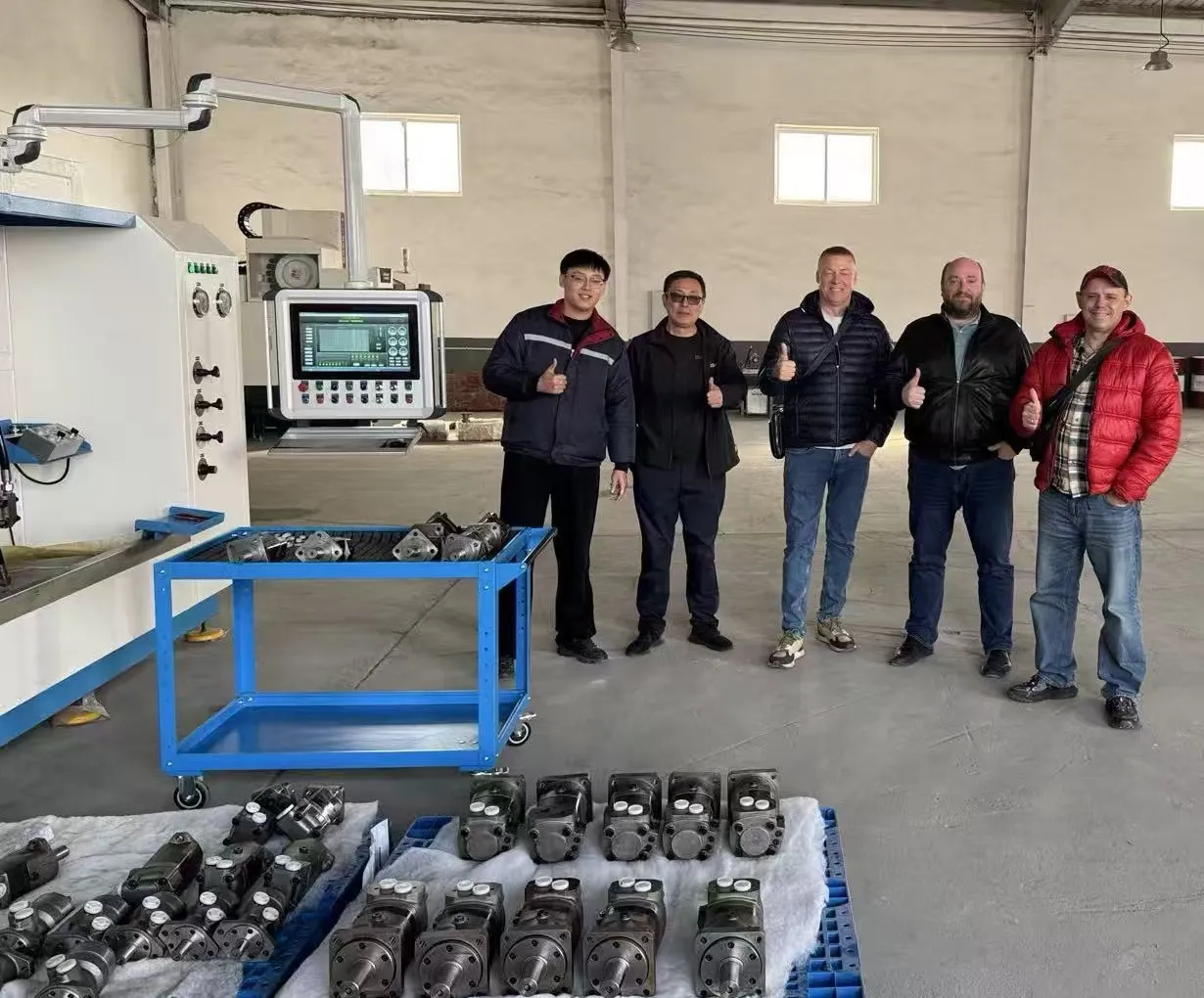
Qingdao Yushan Intelligent Technology Co., Ltd. provides a wide range of high-quality hydraulic winch motors tailored for industrial and marine applications. Our products are designed for efficiency, durability, and customizable solutions to meet specific client needs. Whether you require axial piston, radial piston, or gear-type hydraulic winch motors, our engineering team can provide expert guidance to ensure optimal performance.
Contact us today to discuss your requirements and explore our full line of hydraulic winch motors designed for the most demanding applications.
Related News
- How Are High-Speed Hydraulic Motors Improving Industrial Equipment Performance?
- How Are Gear Hydraulic Motors Advancing Modern Machinery?
- Oscillating Hydraulic Motors: How Do They Work and Where Are They Used?
- How to Select, Install, and Maintain Rotary Orbital Hydraulic Motors for Maximum Service Life?
- Hydraulic Motor Won't Cooperate? These On-Site Fixes Beat Calling the Dealer
- Small Orbital Hydraulic Motors: How to Choose the Right Compact Power Solution for Your Equipment
Leave me a message