English
- English
- Afrikaans
- Català
- Galego
- беларускі
- lugha ya Kiswahili
- አማርኛ
- ភាសាខ្មែរ
- ქართული
- Hausa
- Кыргыз тили
- Kurdî
- Hmong
- IsiXhosa
- Zulu
- Yoruba
- Тоҷикӣ
- O'zbek
- Igbo
- Sundanese
- Español
- Português
- русский
- Français
- 日本語
- Deutsch
- tiếng Việt
- Italiano
- ภาษาไทย
- Polski
- 한국어
- Malay
- বাংলা ভাষার
- हिन्दी
- Pilipino
- Türkçe
- العربية
- Indonesia
- تمل
- український
- Javanese
- فارسی
- தமிழ்
- नेपाली
- Burmese
- ລາວ
- Қазақша
- Euskal
- Română
- Srpski језик

What Makes Low-Speed High-Torque Orbital Hydraulic Motors Essential for Heavy-Duty Applications?
Low-Speed High-Torque Orbital Hydraulic Motors have become indispensable in industries that demand reliable torque output, compact structure, and efficient performance under extreme conditions. From construction machinery and agricultural equipment to marine winches and industrial conveyors, these motors deliver stable rotational force at low speeds without requiring complex gear reduction systems. Customers often struggle with equipment overheating, inconsistent torque, high maintenance costs, and energy inefficiencies. This comprehensive guide explores how orbital hydraulic motors solve these challenges, how to select the right model, and why manufacturers such as Qingdao Yushan Intelligent Technology Co., Ltd. are recognized for delivering robust, application-driven solutions.

Table of Contents
- Understanding Low-Speed High-Torque Orbital Hydraulic Motors
- How Do Orbital Hydraulic Motors Work?
- Common Customer Pain Points and How to Solve Them
- Orbital Motors vs Other Hydraulic Motor Types
- Key Technical Specifications Explained
- Application Scenarios Across Industries
- How to Select the Right Orbital Hydraulic Motor
- Installation and Maintenance Best Practices
- Why Partner with Qingdao Yushan Intelligent Technology Co., Ltd.
- Frequently Asked Questions
1. Understanding Low-Speed High-Torque Orbital Hydraulic Motors
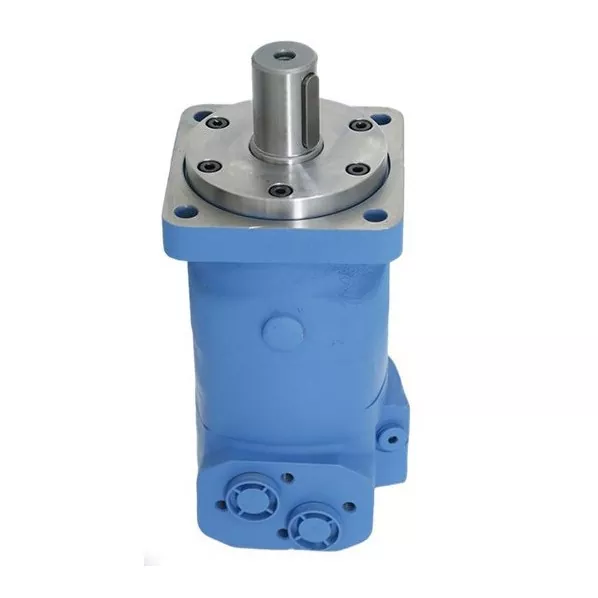
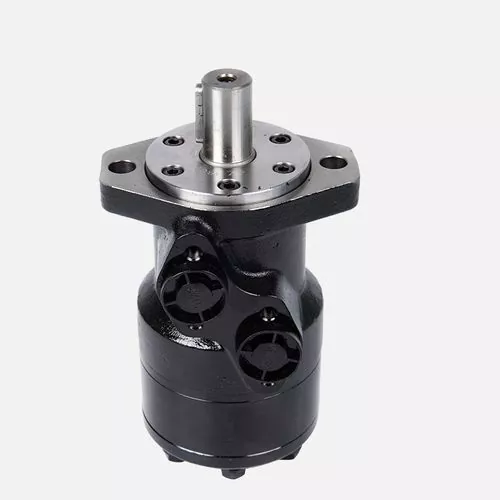
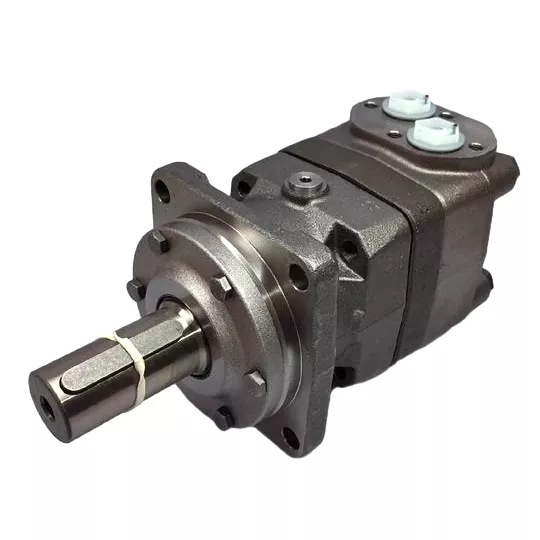
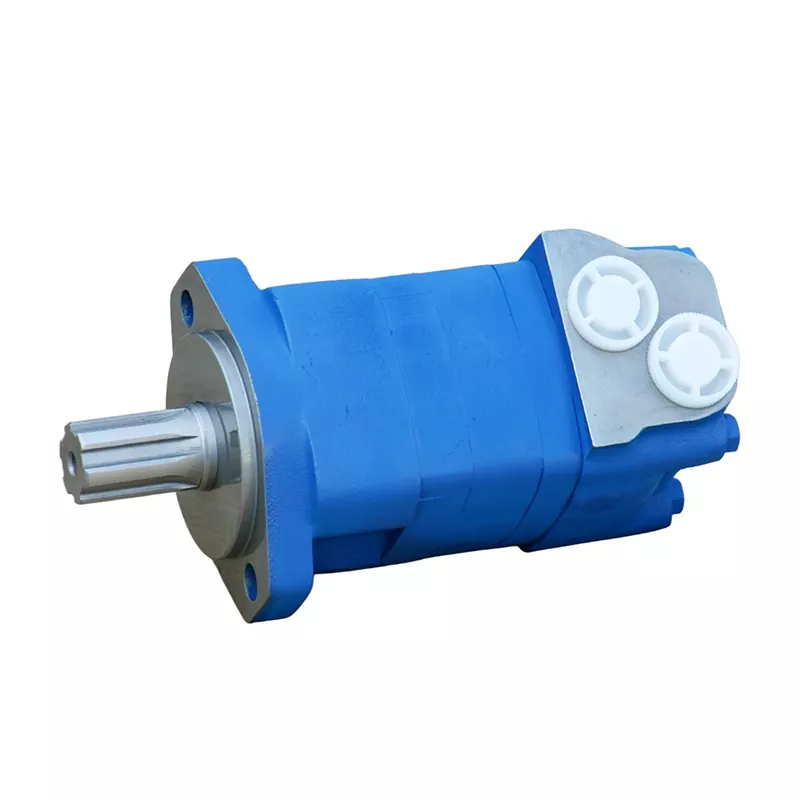
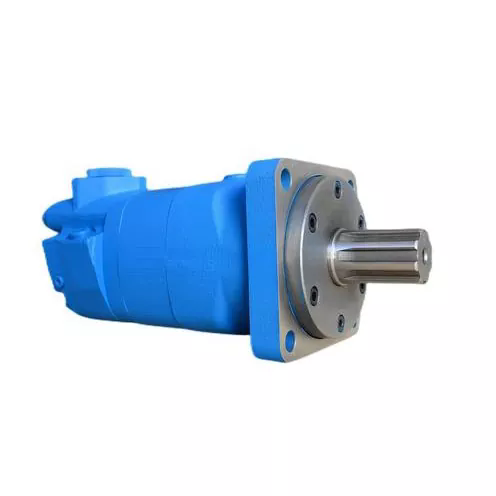
Low-speed high-torque (LSHT) orbital hydraulic motors are rotary actuators that convert hydraulic energy into mechanical power. Unlike high-speed motors requiring gearboxes, LSHT motors produce significant torque directly at low rotational speeds. This direct-drive capability simplifies mechanical systems, reduces component wear, and improves overall efficiency.
Orbital motors typically use a gerotor or geroler internal design. Pressurized hydraulic fluid enters the motor, causing internal components to rotate eccentrically. This orbital motion produces consistent torque output even under fluctuating load conditions.
2. How Do Orbital Hydraulic Motors Work?
The working principle centers around fluid displacement. When hydraulic oil flows into the motor:
- The fluid pushes against internal lobes
- The rotor moves eccentrically inside the stator
- Rotational movement is transferred to the output shaft
- Exhaust oil exits through the outlet port
The result is smooth rotation at low RPM with high torque output. Because torque is directly proportional to pressure and displacement, users can precisely control performance through hydraulic system adjustments.
3. Common Customer Pain Points and How to Solve Them
Pain Point 1: Overheating Under Continuous Load
Overheating often results from improper motor sizing or poor fluid management. Selecting a motor with appropriate displacement and ensuring adequate cooling capacity solves this issue.
Pain Point 2: Insufficient Torque at Startup
Machines like augers or conveyors require strong startup torque. LSHT orbital motors provide high starting torque efficiency, often exceeding 85–90% of theoretical torque.
Pain Point 3: Frequent Seal Failures
High pressure spikes can damage seals. Choosing motors with reinforced shaft seals and proper pressure ratings significantly reduces downtime.
Pain Point 4: High Maintenance Costs
Orbital motors feature fewer moving parts compared to piston motors, minimizing wear and simplifying maintenance procedures.
4. Orbital Motors vs Other Hydraulic Motor Types
| Feature | Orbital Motor | Gear Motor | Piston Motor |
|---|---|---|---|
| Torque at Low Speed | Excellent | Moderate | Good |
| Efficiency | High | Medium | Very High |
| Cost | Moderate | Low | High |
| Maintenance | Low | Low | High |
| Best For | Heavy Load, Low RPM | Light Applications | High Precision Systems |
5. Key Technical Specifications Explained
- Displacement (cc/rev): Determines torque output
- Rated Pressure (bar): Maximum working pressure
- Maximum Speed (RPM): Operational speed range
- Output Torque (Nm): Rotational force produced
- Volumetric Efficiency: Internal leakage performance
- Mechanical Efficiency: Friction-related losses
Selecting the correct combination of displacement and pressure ensures optimal performance while preventing premature failure.
6. Application Scenarios Across Industries
Low-Speed High-Torque Orbital Hydraulic Motors are widely used in:
- Skid steer loaders
- Forestry machinery
- Agricultural harvesters
- Fishing equipment
- Road rollers
- Conveyor systems
- Winches and lifting platforms
Their durability makes them ideal for dusty, muddy, or corrosive environments.
7. How to Select the Right Orbital Hydraulic Motor
- Determine required torque (Nm)
- Calculate operating pressure
- Define speed range
- Consider mounting configuration
- Check shaft type compatibility
- Evaluate environmental conditions
- Confirm hydraulic oil specifications
Working with experienced manufacturers like Qingdao Yushan Intelligent Technology Co., Ltd. ensures accurate customization for your specific machinery requirements.
8. Installation and Maintenance Best Practices
- Ensure proper alignment during installation
- Use clean, filtered hydraulic oil
- Monitor operating temperature regularly
- Inspect seals and hoses periodically
- Avoid exceeding rated pressure limits
- Implement preventive maintenance schedules
Routine inspections significantly extend motor lifespan and maintain efficiency.
9. Why Partner with Qingdao Yushan Intelligent Technology Co., Ltd.
Qingdao Yushan Intelligent Technology Co., Ltd. specializes in manufacturing high-performance Low-Speed High-Torque Orbital Hydraulic Motors engineered for reliability and durability. The company integrates advanced machining technology, strict quality control systems, and customized engineering support to ensure consistent product performance.
With extensive industry experience, comprehensive testing facilities, and global distribution capabilities, Qingdao Yushan Intelligent Technology Co., Ltd. provides solutions tailored to OEM manufacturers and industrial buyers seeking efficiency and long-term value.
10. Frequently Asked Questions
Q1: What is the lifespan of an orbital hydraulic motor?
With proper maintenance and correct sizing, LSHT orbital motors can operate for thousands of hours under continuous load conditions.
Q2: Can orbital motors operate in reverse?
Yes. Most orbital hydraulic motors are bi-directional and suitable for reversible applications.
Q3: What hydraulic fluid is recommended?
High-quality anti-wear hydraulic oil with appropriate viscosity grade is typically recommended. Always follow manufacturer guidelines.
Q4: How do I prevent internal leakage?
Regular oil filtration and avoiding pressure spikes reduce internal wear and leakage risks.
Q5: Are custom shaft and mounting options available?
Yes. Manufacturers such as Qingdao Yushan Intelligent Technology Co., Ltd. offer flexible customization based on equipment requirements.
Conclusion
Low-Speed High-Torque Orbital Hydraulic Motors deliver unmatched torque stability, efficiency, and durability for heavy-duty applications. By eliminating the need for complex gear reductions and ensuring smooth low-speed operation, they significantly reduce mechanical wear and operational costs. Choosing the right motor and supplier is critical for maximizing equipment productivity and reliability.
If you are looking for dependable performance, tailored engineering solutions, and long-term operational value, Qingdao Yushan Intelligent Technology Co., Ltd. is ready to support your hydraulic drive needs. Contact us today to discuss your project requirements and receive professional technical assistance.
Related News
- How Are High-Speed Hydraulic Motors Improving Industrial Equipment Performance?
- How Are Gear Hydraulic Motors Advancing Modern Machinery?
- Oscillating Hydraulic Motors: How Do They Work and Where Are They Used?
- How to Select, Install, and Maintain Rotary Orbital Hydraulic Motors for Maximum Service Life?
- Hydraulic Motor Won't Cooperate? These On-Site Fixes Beat Calling the Dealer
- Small Orbital Hydraulic Motors: How to Choose the Right Compact Power Solution for Your Equipment
Leave me a message